Friday, 24 July 2009

Friends on the beach and in the wood

This week we had our friends the Clarkes visiting. I went to Oasis Trust college with Louise in the early nineties and then we shared a room in Cyprus for months. It was brilliant to see her whole family after spending very little time with them for 13 years! Really good to get to know their kids too. Lauren in the pictures is our friend from Rye, meeting the Clarkes.

We had a brilliant time on the beach, running from the tide coming in!

and trying to build castles that could withstand the sea. (not successfully!)
Naturally we spent time in the wood too. Tina, Jeff and Emma joined us too. Tina had also attended Oasis Trust with us, so it was a brilliant reunion with all the families that have developed since we were 20! Here is Jeff doing his continuing professional development. ;-)
While we watch!

Louise preparing wood for the winter, while Kezziah builds a house in the background.

I love the novel way the kids kept the smoke out of their eyes with the chainsaw helmet!

and the whole motley crew. Can you spot the ones that thought this was the silly photo?
Can't wait to see you all again soon!

Tracy

Click here to read the rest of this post.

Sunday, 19 July 2009

Even more butterflies

Yesterday we were up at the wood for some friends visiting, and while we were waiting we did a bit of trimming of the vegetation at the side of the track in the wayleave:Along the way we saw dozens of butterflies - I think this year is much better for them than last year! Here's some pictures of them.

Meadow Brown's were abundant (you can identify them by the single white spot inside the black spot on their wings):
A butterfly that can look superficially similar with its wings shut is the Gatekeeper, but it has two white spots inside the black spot. With it's wings open it is quite different though - here's the first good photos I've had of one:
and I was especially pleased to get this picture of one taking off:
Another butterfly I got in flight was this Large White:
I got these photos of butterflies in flight by chance, but I'm trying to come up with a way of getting them deliberately... more to come if it works out!

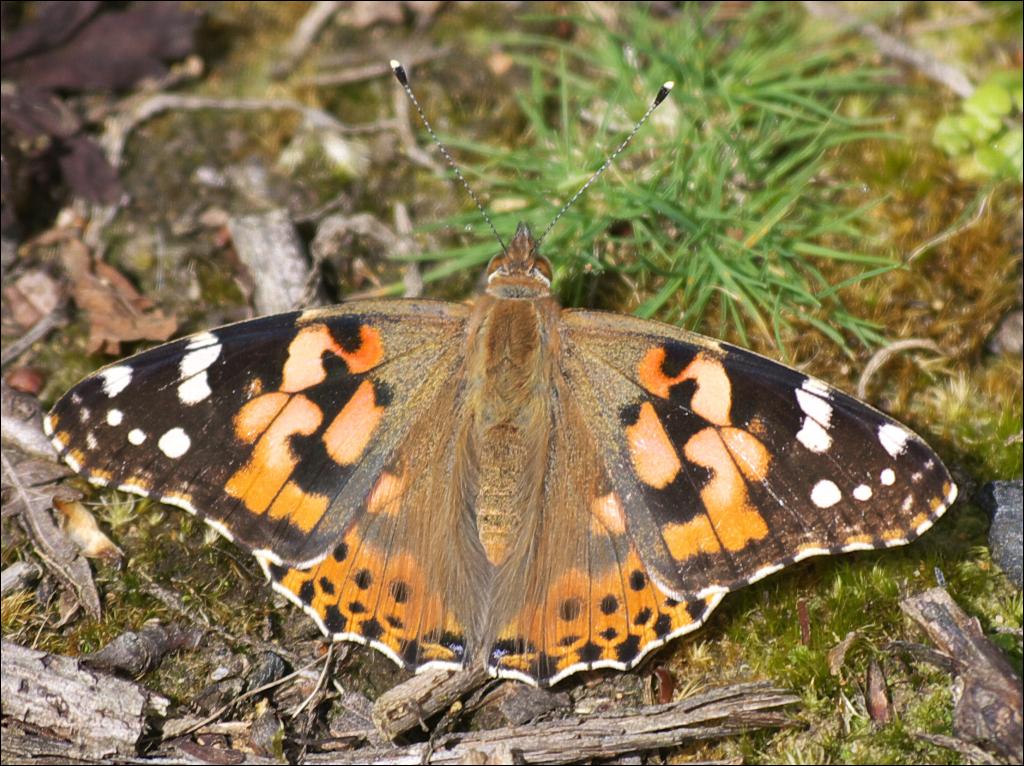
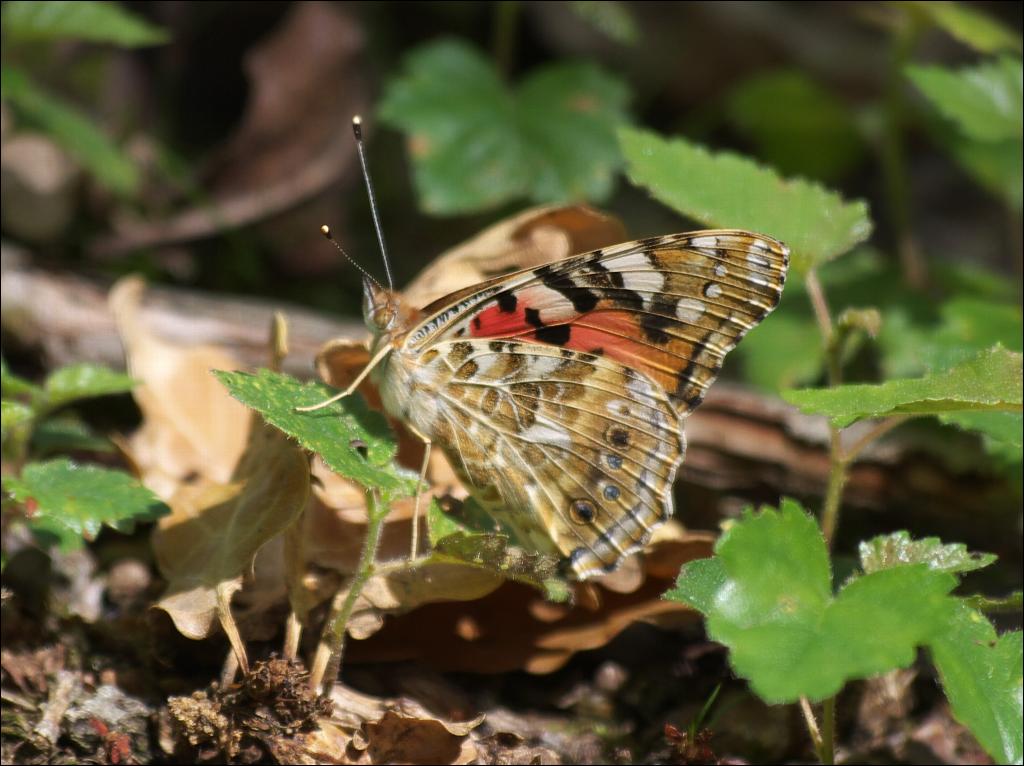
And finally, this year's invasion of Painted Ladies continues unabated:
That's all for now.
Mike

Click here to read the rest of this post.

Blade-Tech knife sharpener review

Tracy brought me a present back from the show she went to in Yorkshire - a Blade-Tech knife sharpener. I think it's one of the coolest tools I've used in a long time! Here it is:
The two grey wedges are tungsten carbide, which is extremely hard and easily sharpens steel.

Here's a billhook that needs sharpening:
To use the sharpener on a straight blade, you hold it firmly on a flat surface:
In this case the edge of the billhook blade also need reshaping first, and this is done by drawing the blade through the "V" between the carbide blocks at a 45 degree angle:
Then, to hone the blade you move the angle towards 90 degrees:
Finally, in this case, to do the curved part of the blade, you have to hold the billhook towards you and draw the sharpener over it:
Then you're left with a nice sharp edge:
Mike

Click here to read the rest of this post.

Saturday, 18 July 2009

Butterlies and log stacks

Yesterday I popped up the wood on my own for a few hours before the forecast rain arrived. My main intention was to stack some logs in a rack to accelerate their drying and have them ready to process later in the year. But first I was distracted by some butterflies, like this Peacock:
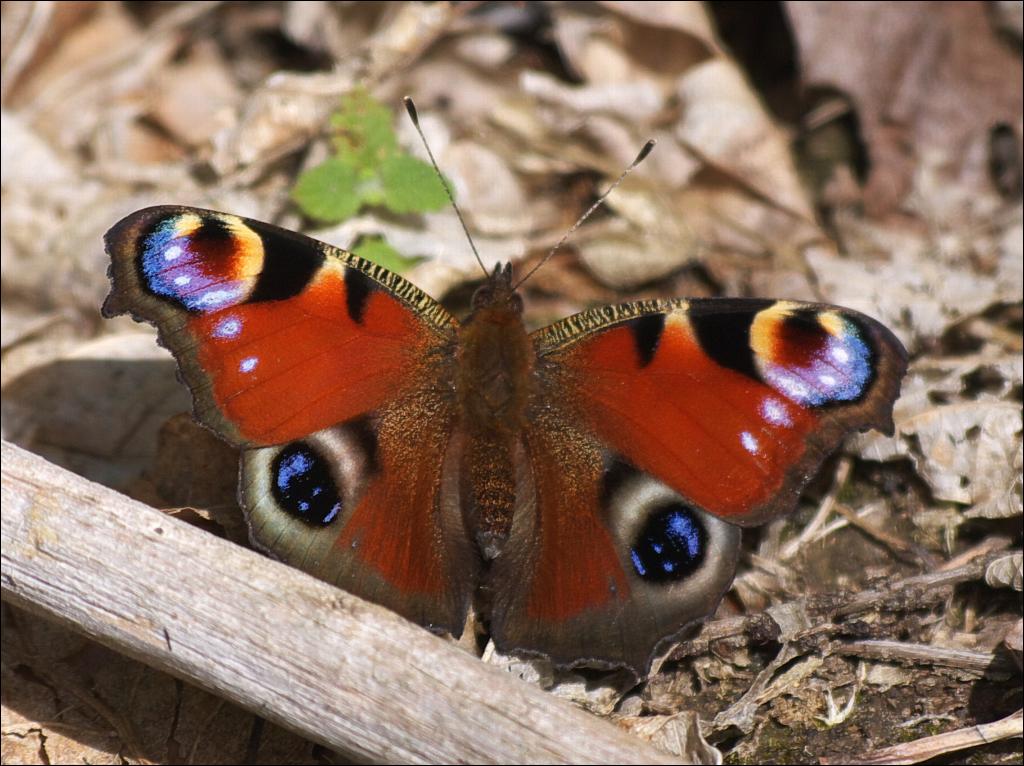
I waited a minute and it opened it's wings fully, letting me get an even better picture:
There were also still a lot of Painted Ladies around, both in the wayleave and in clearings inside the wood:
I also spotted a butterfly I've not seen before, or at least not identified. It's a Ringlet. Not rare, but still nice to see:
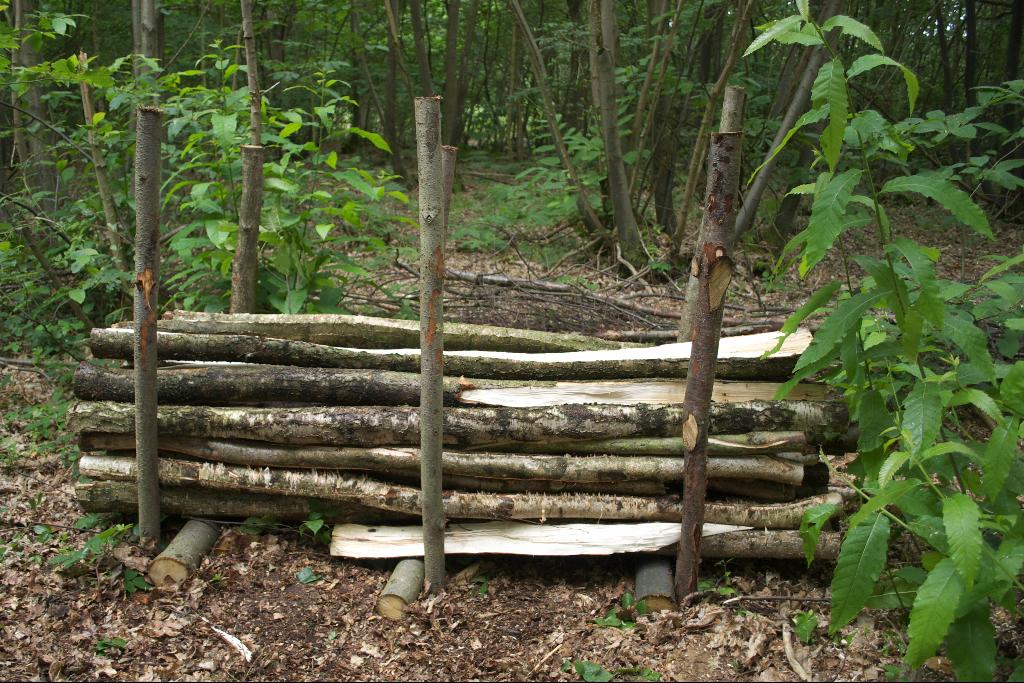
Anyway, I eventually got down to some work, building a rack to put some birch logs in. The smaller logs went straight into the rack after striping, and the bigger ones are waiting on the path to be split:
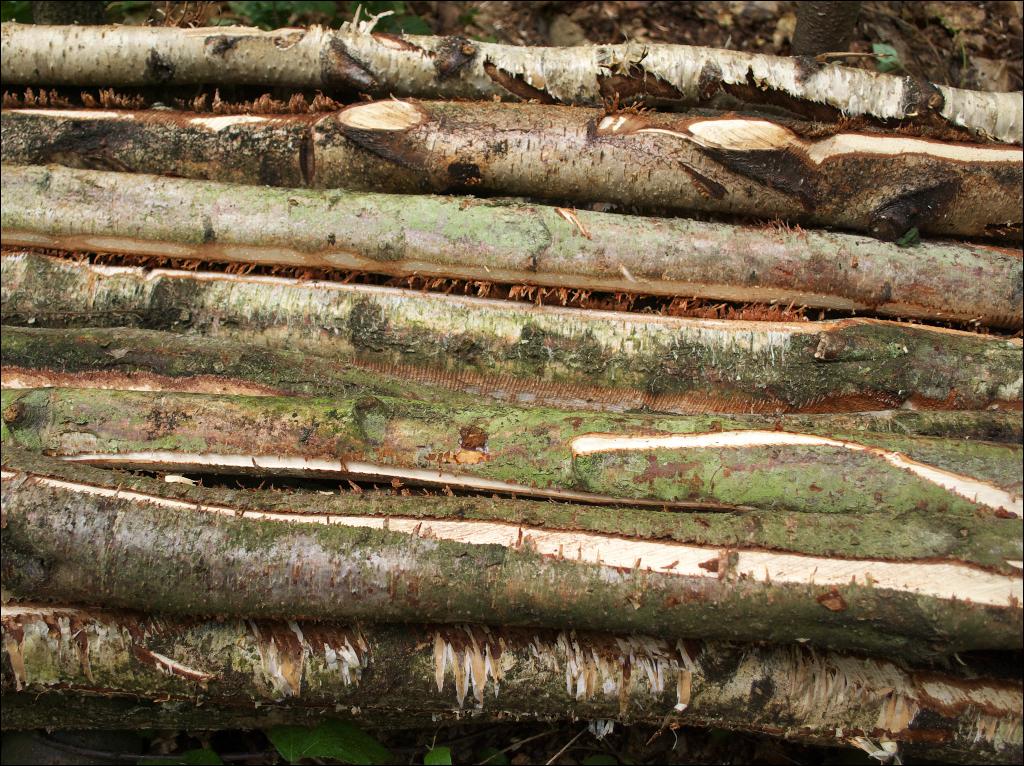
The striping is important, as it breaks the waterproof bark of the birch, allowing it to dry out quickly. You just skim the chainsaw (carefully!) along the sides of the log, leaving them like this:
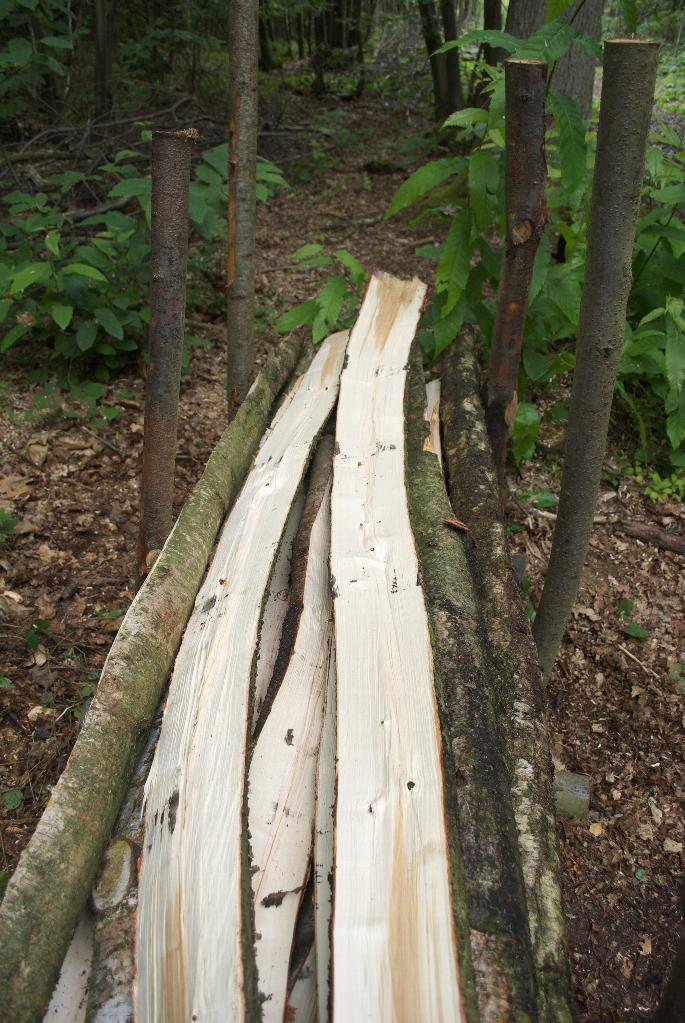
The bigger logs can be split with the maul and wedges, though birch doesn't cleave as neatly as chestnut. Still, I didn't do a bad job on some of the logs:
They'll all now dry out very rapidly, and there's still room in the rack for some more:
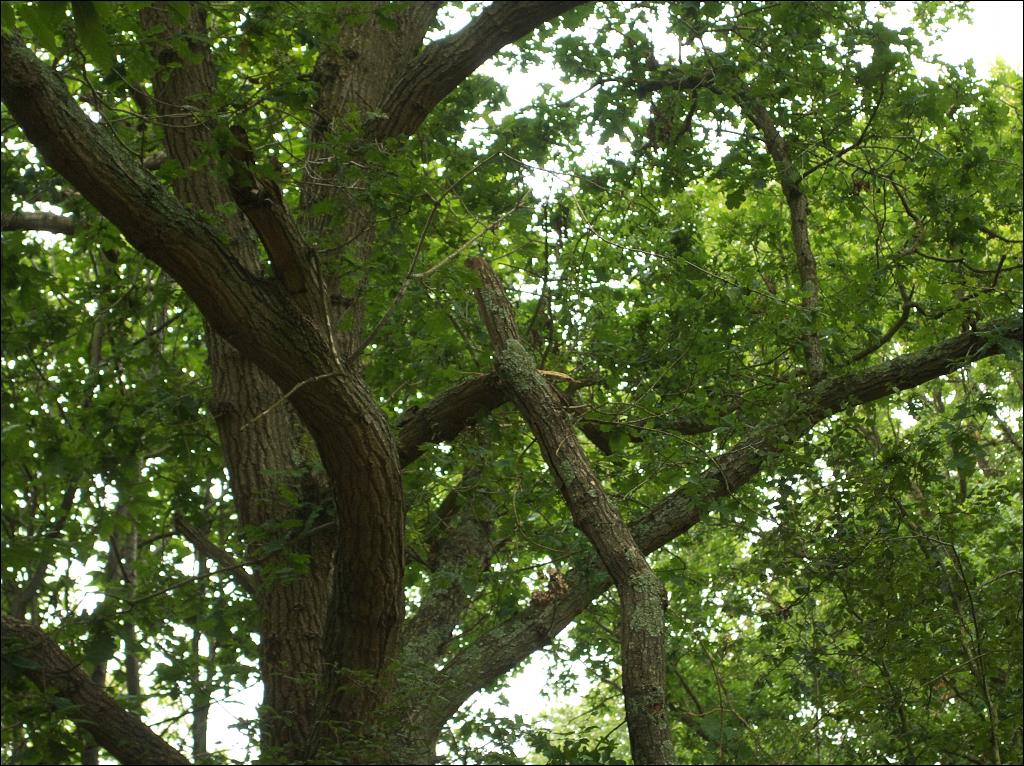
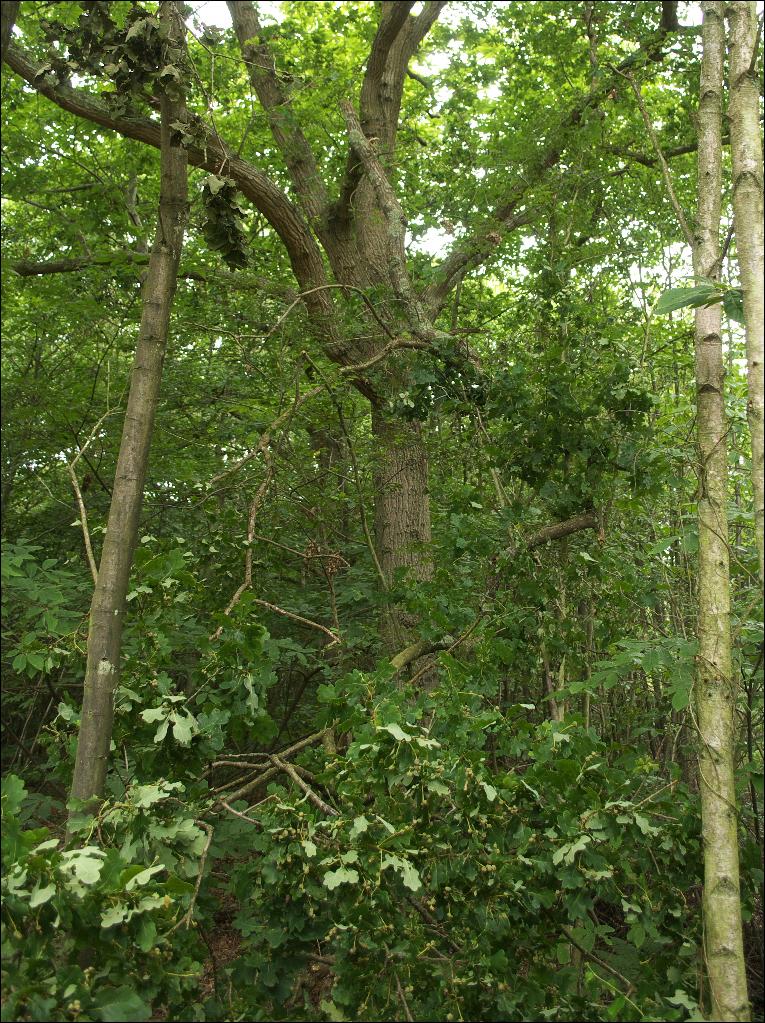
One last thing - we had thunderstorms here on Thursday night, and it was pretty windy too. As a result this branch came down between the public footpath and our main ride:It's not in a dangerous place though, so we'll leave it for the moment and see if it can become a bit of dead wood habitat.

Mike

Click here to read the rest of this post.

Friday, 17 July 2009

SWOG meeting: planning and archaeology

Last Saturday we had another SWOG meeting, this time at the Woodland Enterprise Centre in Flimwell. Several regulars weren't able to come, but we still had over 30 people.
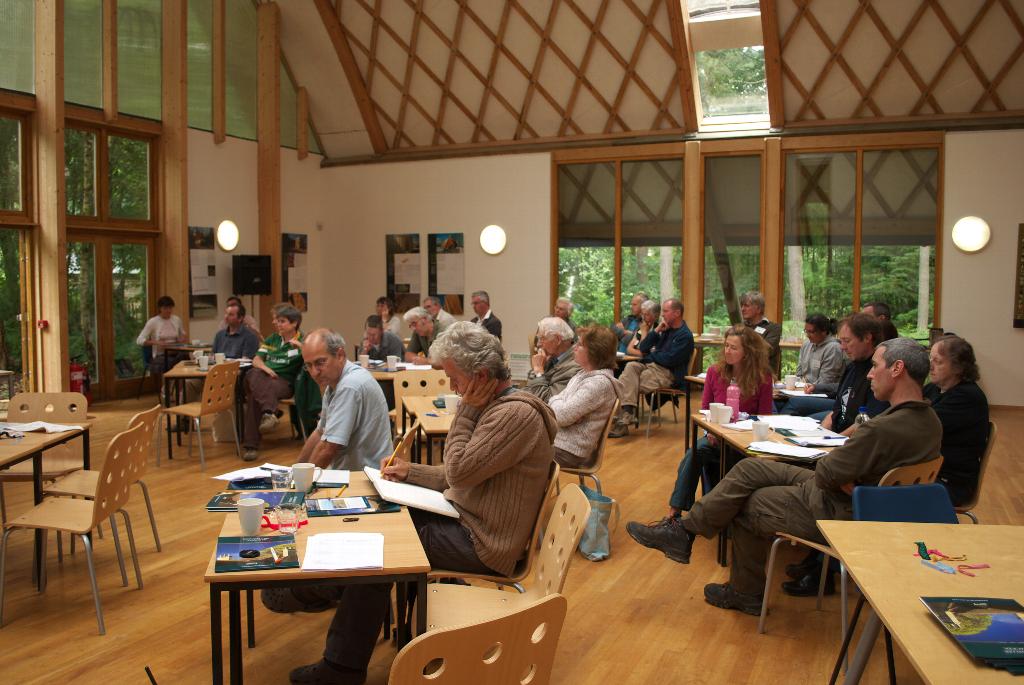
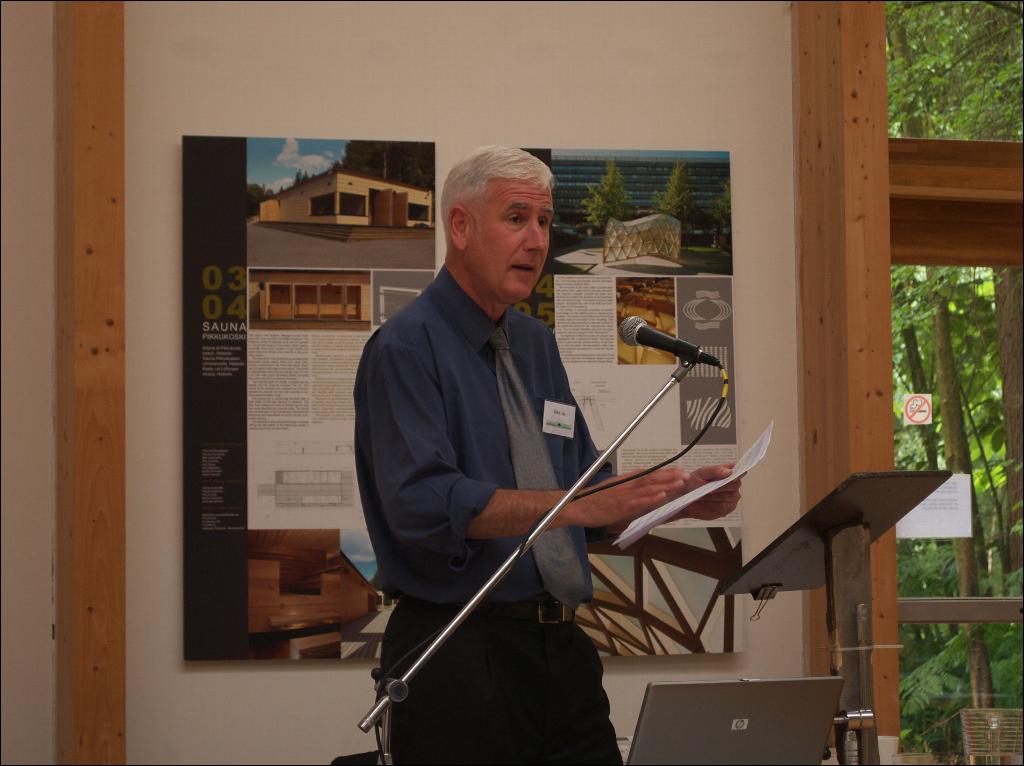
In the morning we heard from Nick Ide, a planning consultant for Batcheller Thacker.
He explained the labyrinth of planning and woodlands, and gave us insights into how planning officers think (he used to be one). I won't go into details here, but basically if you want to do some "development" (which can include pretty much anything), you first need to look at the local and area plans to see what the policy is, and make sure your proposed project fits in with them. If it does, it's more difficult for a planning officer to object.

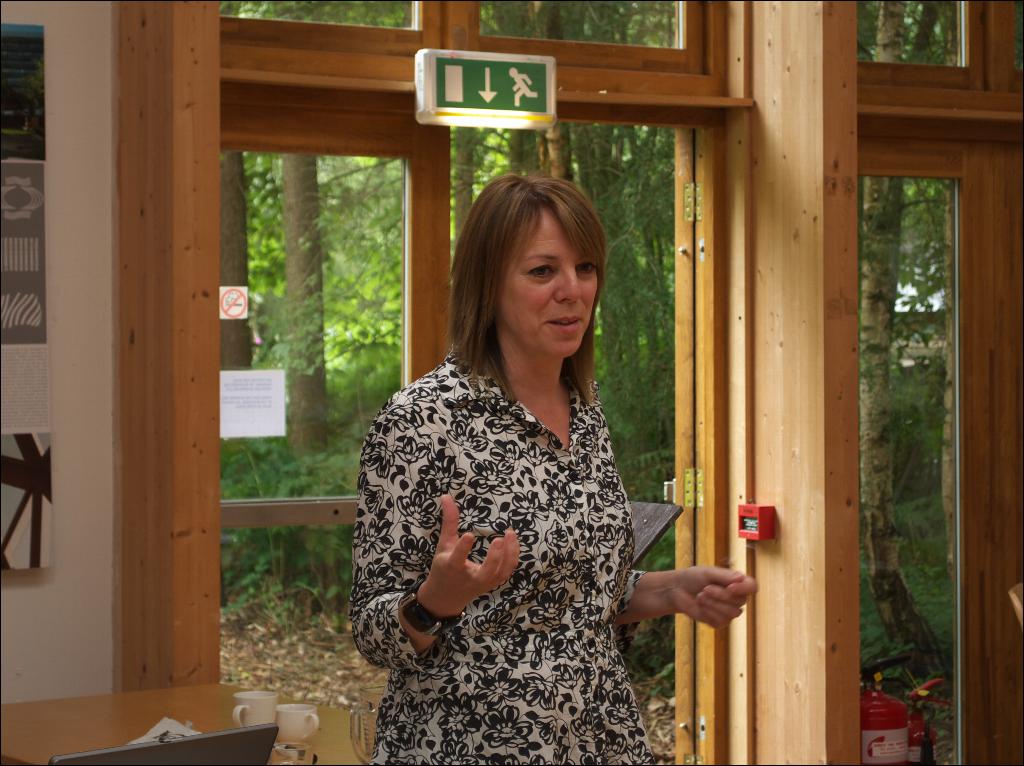
After lunch, we heard from Lyn Palmer, an archaeologist working in the Weald area. She showed us some pictures made using LIDAR (LIght Detection And Ranging), which show up features such as old tracks, charcoal burning platforms, remains of forts and other interesting features. These are often invisible on the ground (until you know where to look for them) as the differences in the height of the ground are very subtle. You can read all about it in this PDF (1.6MB)
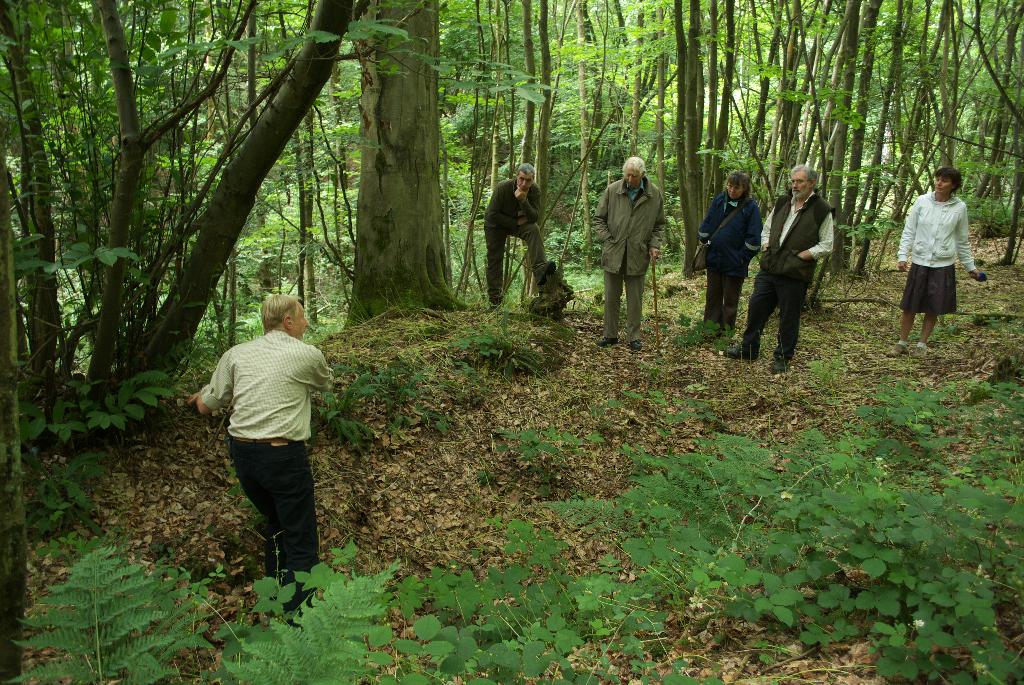
David Brown, of South East Woodland Archaeology Forum was next, and took a small group on a tour of some archaeological features of the woods at WEC. This is an old charcoal burning platform - you mostly spot them by their shape:
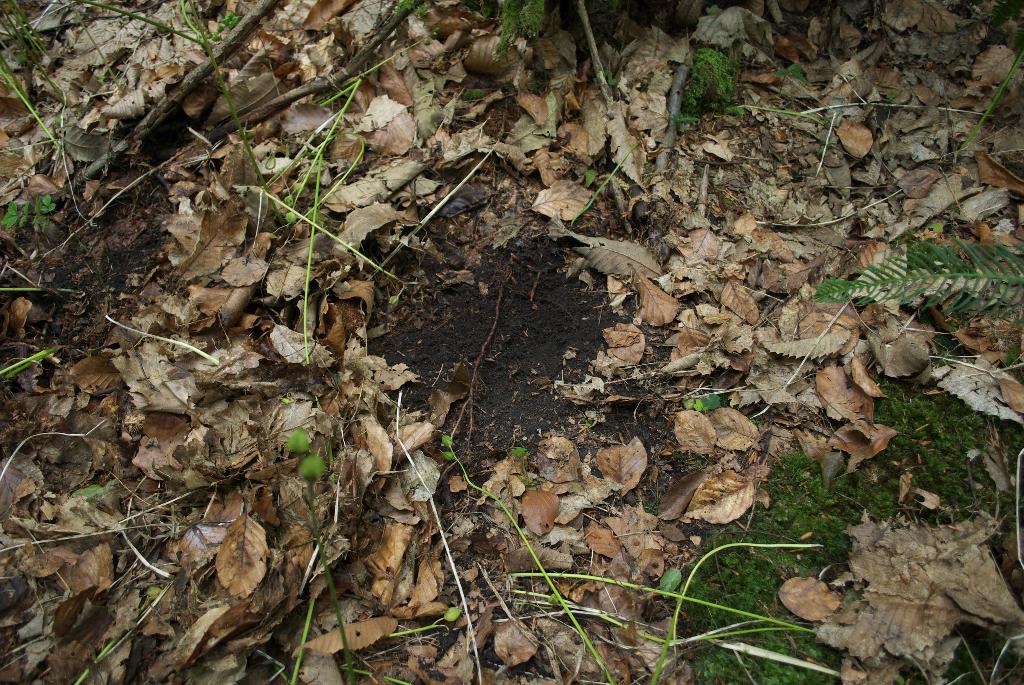
but also by the dark colour of the earth, from years of charcoal fines being mixed in there: Next up was a saw pit, which would have been used to saw the butts of large trees lengthways to make planks (it would have been much deeper when in use):
That's quite a large saw pit though, more commonly they are flatter, and therefore harder to spot:
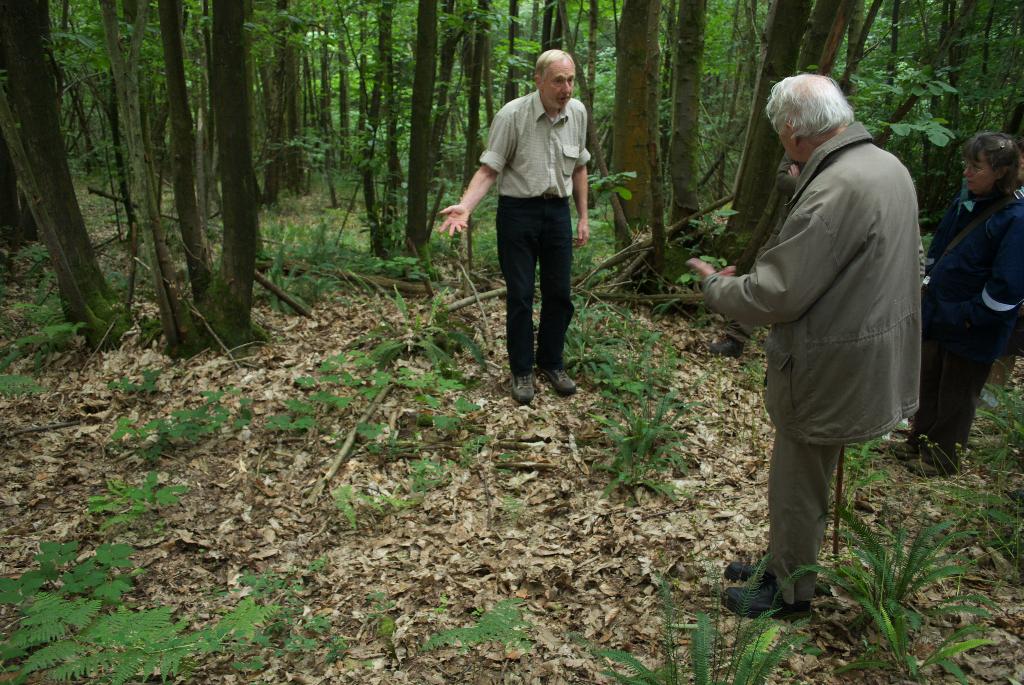
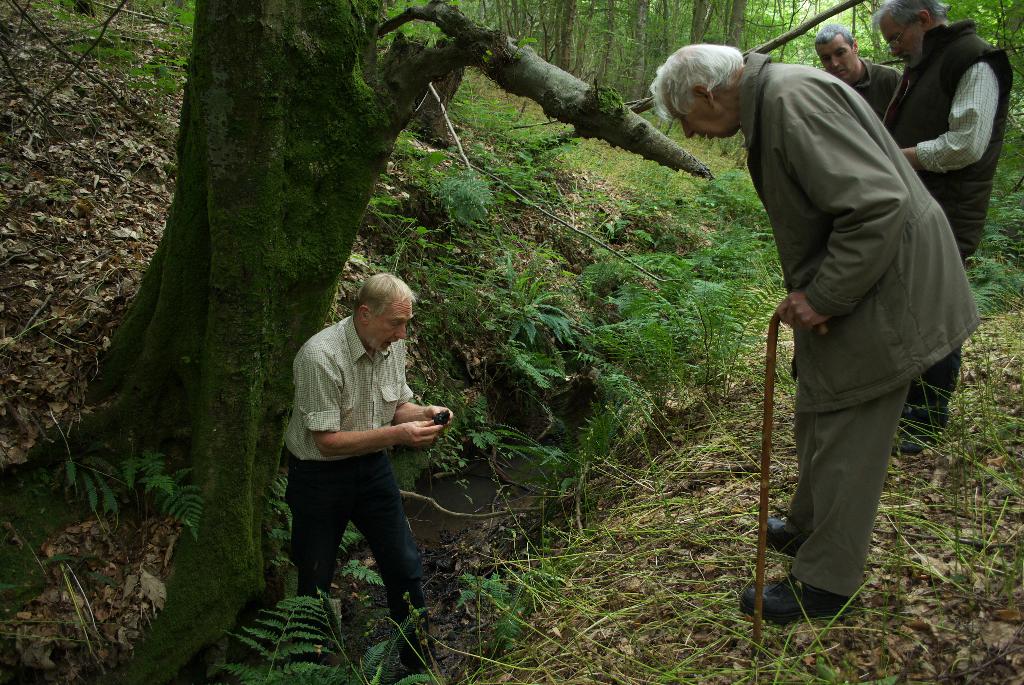
Finally we visited the site of an old bloomery, where iron was smelted from ore dug out of the ground nearby.
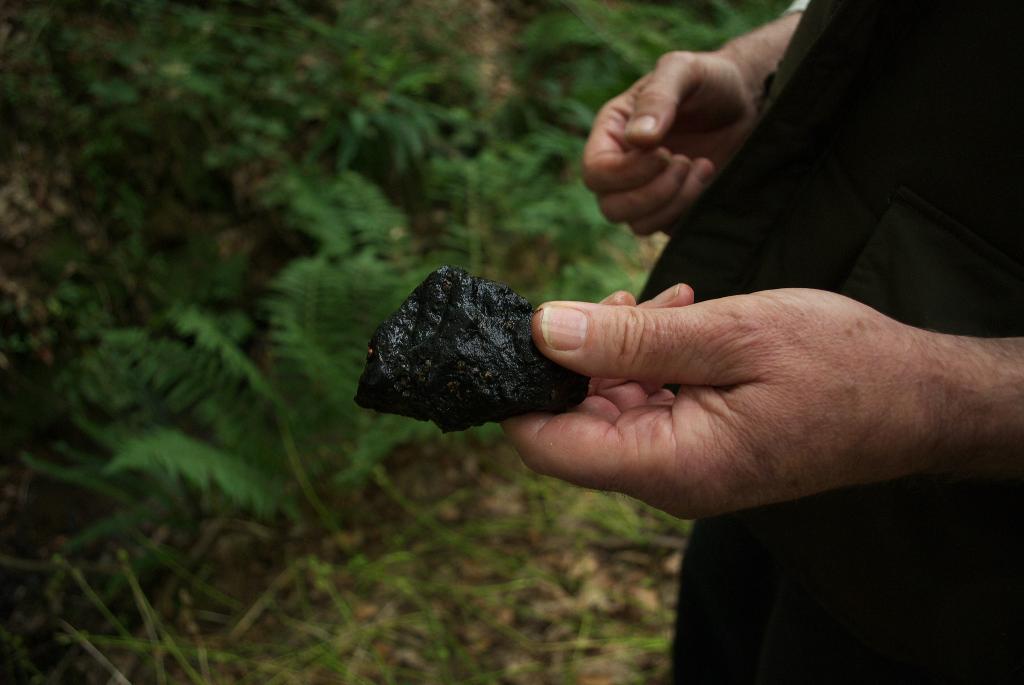
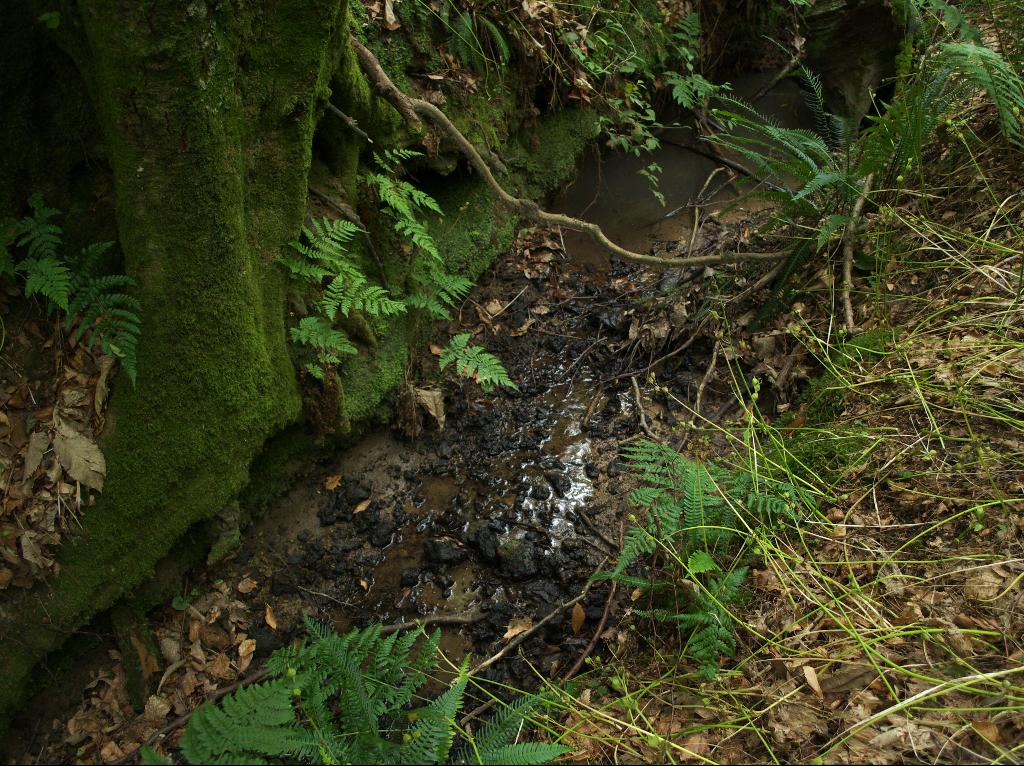
In the stream were remains of the slag from the bloomery, which was very dense as it still contains quite a lot of iron:
The only thing we didn't see was a wood bank (boundary marker, or feature to keep animals out), because at this time of year the bracken has grown so much they're hard to find!

Mike

Click here to read the rest of this post.