You may remember that Mike and I did a wilderness first aid course in a wood.
This was an excellent 2 day course and prepared us well for all kinds of eventualities. Andy is coming to run the course in our woodland near Rye on the 21 and 22 July 2012. I fully recommend this course. Please contact us if you would like to come along.
The training is interesting, high quality and realistic and the price reasonable. The training is particularly relevant to those of us who are sometimes working in remote situations, and with trees and tools - but it also covers all kinds of first aid needs that we come across at work and in normal life.
Come and join us! Email
tracy@woodlands.co.uk
if you would like to know more
Showing posts with label ancient woodland. Show all posts
Showing posts with label ancient woodland. Show all posts
Monday, 9 April 2012
Wilderness first responder July 2012


Tuesday, 15 November 2011
Wilderness First Aid course with Emergency Life Support Team
This weekend Tracy and I both went on a brilliant 'wilderness first aid' course run by Emergency Life Support Team, which was run in a woodland near Hastings. Our main instructor was Andy Sullivan, who has years of experience in the emergency services and is eminently qualified to teach people to save lives.

He was also assisted by Ali, whose speciality was setting up realistic incidents for us to train on - here she is with some self-inflicted 'injuries':

Peter joined us too on the second day, to act as a patient and also give us advice from the perspective of someone with police experience. Here he is, suffering from a shooting-related eye 'injury':

Andy actually prefers to call it a 'First Responder' course, rather than first aid. This is because he's encountered a public perception that 'first aid' is about plasters and bandages, when in fact what he's covering in the course is more about the serious life-threatening conditions we might encounter. We did of course cover minor injuries, but the main focus was on learning what to do with the more serious situations and gaining confidence through practice.
The first day was taken up with a few hours of teaching, though this included practical stuff like doing CPR on a dummy, seeing how an automatic defibrillator works and putting someone in the recovery position:

We also did some other practical bits that focused on dealing with injuries that occurred in isolated locations where you might need to move the casualty while waiting for help, such as improvising splints:

And making stretchers out of two poles with two coats:

or even a blanket folded over - the friction keeps it in place:


We also covered opening a person's airway, and rather than mess around with a dummy, Andy laid down and simulated a closed airway for us to practice with. We used both the normal method:

and the 'jaw thrust' method, which is harder to explain but much easier to actually do, and can also be used in situations where spinal injury is possible, as it can be combined with immobilising the head and neck:

Pretty quickly we moved onto situations that were more demanding - usually in terms of deciding what to do, rather than anything technical. For example, you wouldn't normally remove a motorbike helmet - but what if the patient's airway is blocked? We therefore looked at techniques to remove a helmet with minimum risk if this is unavoidable:

The second day was mostly taken up with scenarios - initially with our instructors doing the acting, and later with us splitting into teams and setting up scenarios for each other. Here's some examples:
Heart attack - where the hard thing is feeling useless, as there's not much to actually do once the ambulance is called and the patient made comfortable:

An injury from a branch falling onto a polesaw operator:

A stabbing - with the security risks that brings:

A car accident, with neck/head immobilisation required and a broken bone:


The car crash one was made more difficult by the vehicle 'catching fire' which then made it necessary to get the patients out:

We then got onto setting up our own scenarios. Tracy fancied a chainsaw wound to the arm:


while Holly thought a leg wound and being trapped under a tree was good:


We had another car crash too, and in this one Carl was a dead body under the vehicle, where he wasn't seen until at least 5 mins into the rescue - another lesson there!

Holly and Tracy both had head wounds for this one as well:


There was even a spare arm knocking around that Holly wanted to pose with:

Anyway, the important point is that only about 1 in 50 people in the UK actually have the training to be a first responder, and if more of us were then lives would be saved. The two most important aspects of this course for me were the professional instruction and the experience gained through acted-out scenarios, and I'd thoroughly recommend anyone to go on a course like this. Just to give it another plug, here's the website: www.elst.co.uk
Of course, the bonus was that we also got to spend two days outdoors in the woods as well! :-)

Mike
Click here to read the rest of this post.
Monday, 10 August 2009
Mysteries solved...
On our Moth Survey a couple of weeks ago, we were fortunate to have Phil Sansum, of the High Weald AONB unit there. His job is to identify and map ancient woodland in the area, so he is of course an expert in identifying plants! We showed him our mystery trees/shrubs: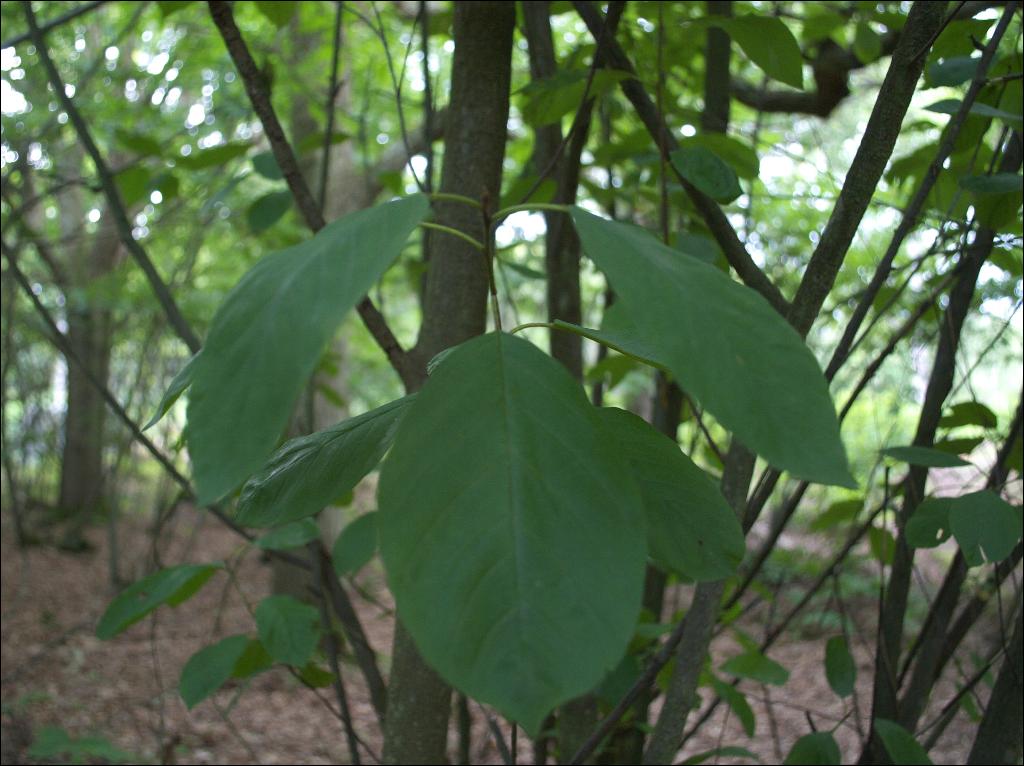
Phil also identified the other mystery tree as crab apple, which some people had tentatively suggested. Both this and alder buckthorn are ancient woodland indicators.
He also identified some other plants for us along the way. Our 7-foot high thistle is a Marsh Thistle (sorry, no photo), apparently they don't just grow in Marshes!
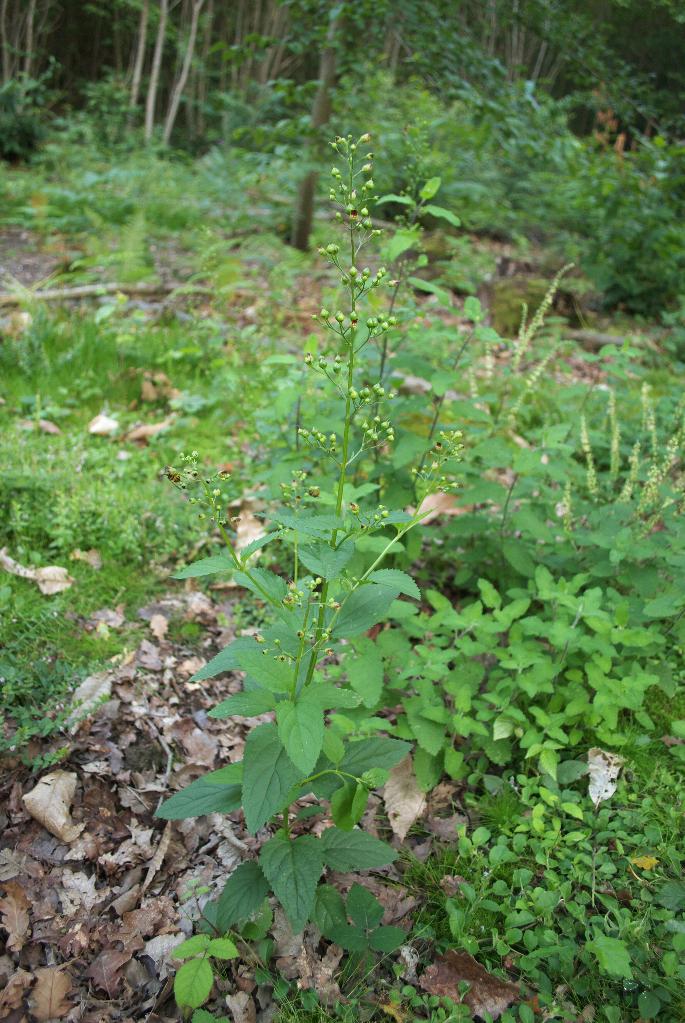
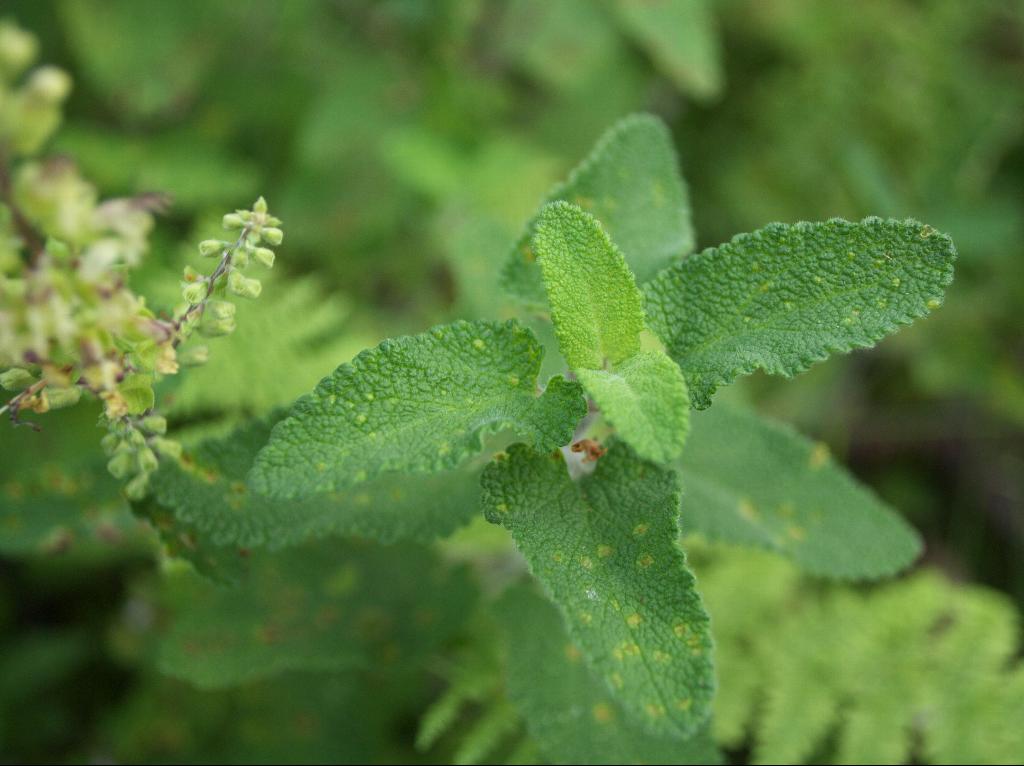
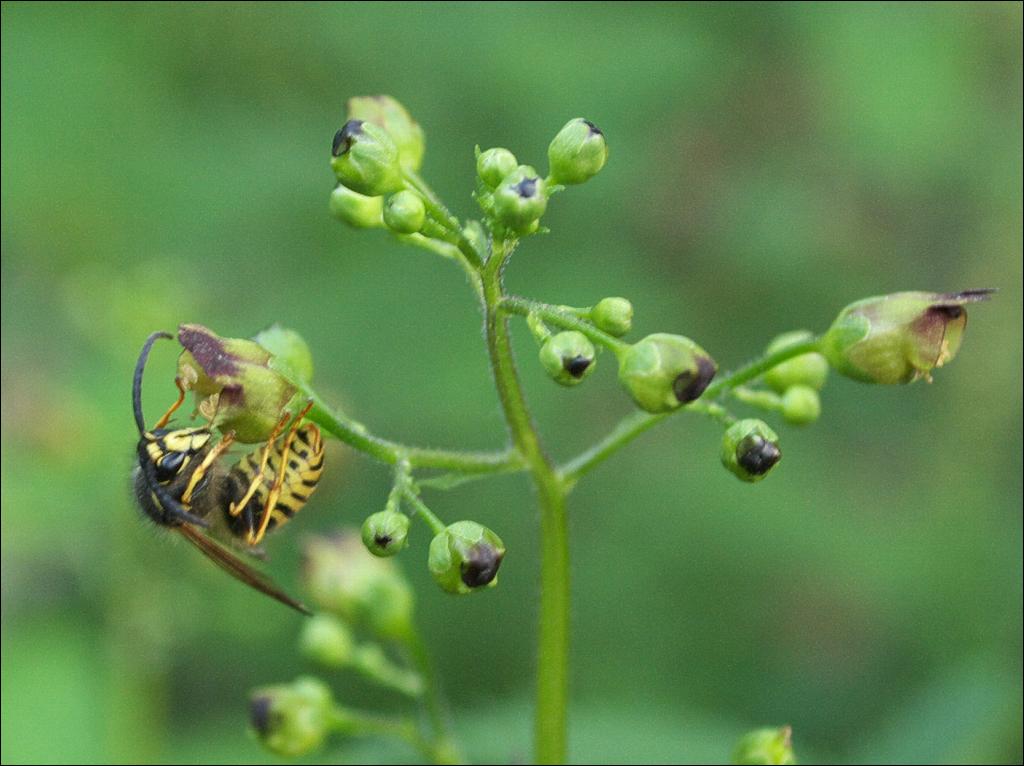
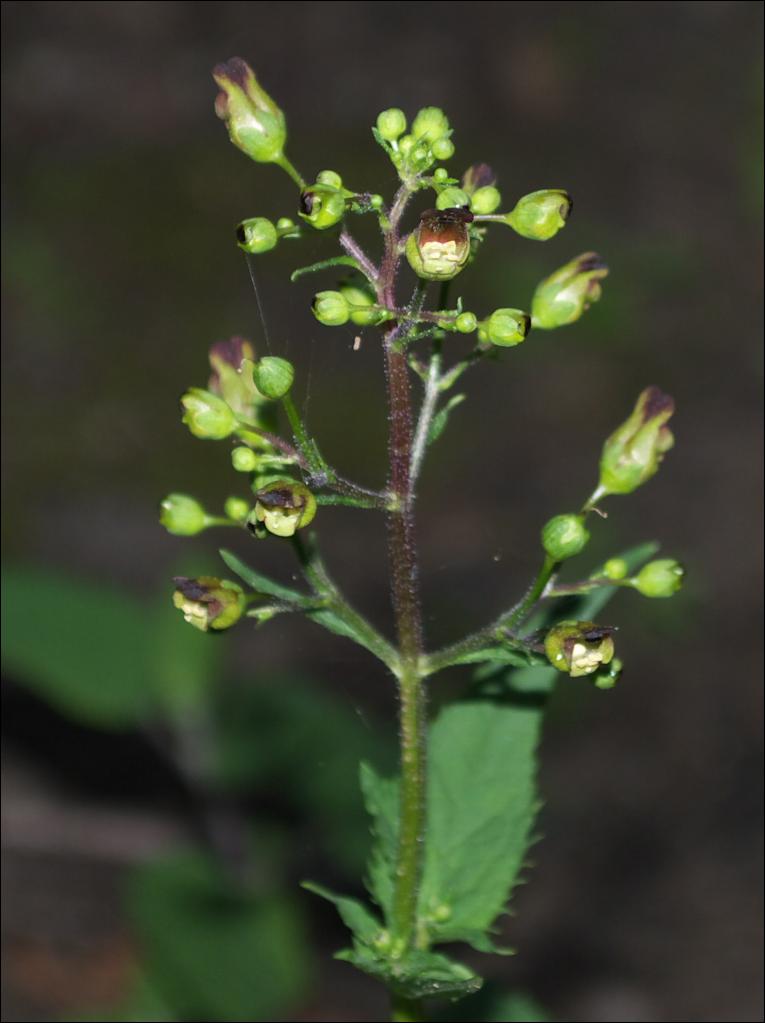
This is Wood Sage, which we have all over the place:
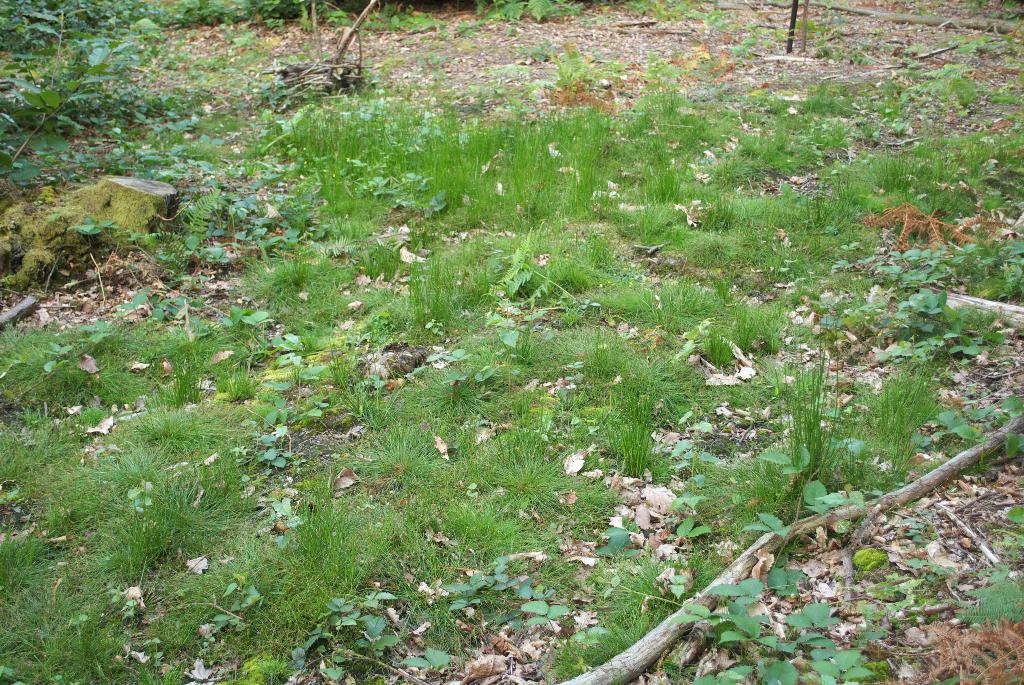
More to come on that later...
Mike


Saturday, 15 November 2008
Visiting other woods
We went on a brief visit to some nearby woods today, with Tracy in her role as SWOG co-ordinator, as Steve from Butterfly Conservation was doing a visit. First though we had a load of firewood to deliver locally: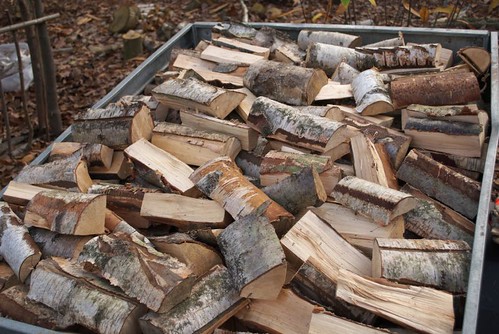
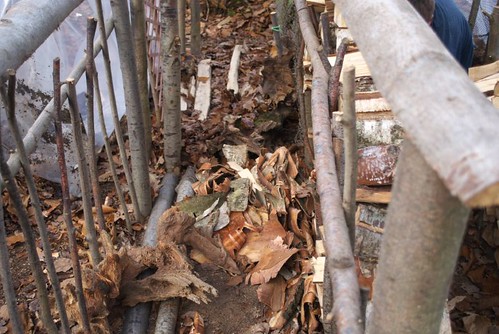
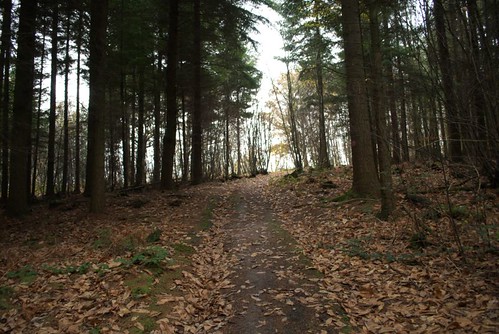
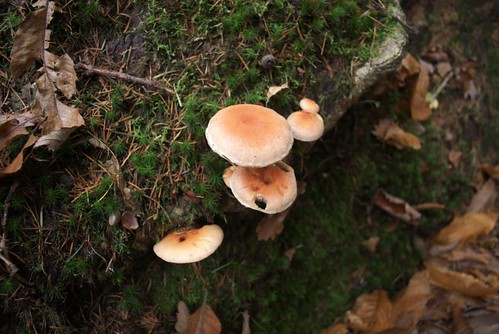
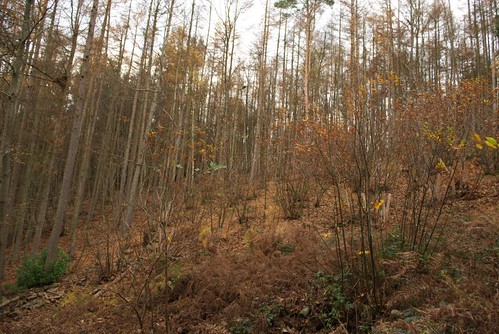
The other important thing was connectivity - having well-lit corridors through the wood connecting the different open areas - as the butterflies won't fly through a dark section of woodland. This applies to birds too, but to a lesser extent. Creating corridors is what we're doing this winter with our coppicing along the rides - which we'll be able to restart at the end of this week, when I switch to only working 2 days a week for the Ashden Awards until January.
Mike
Subscribe to:
Posts (Atom)


