OK, this is going to be a long post, simply because we saw lots of interesting stuff up at the woods yesterday, including a nesting pheasant, things going on with trees growing and different flowers appearing.
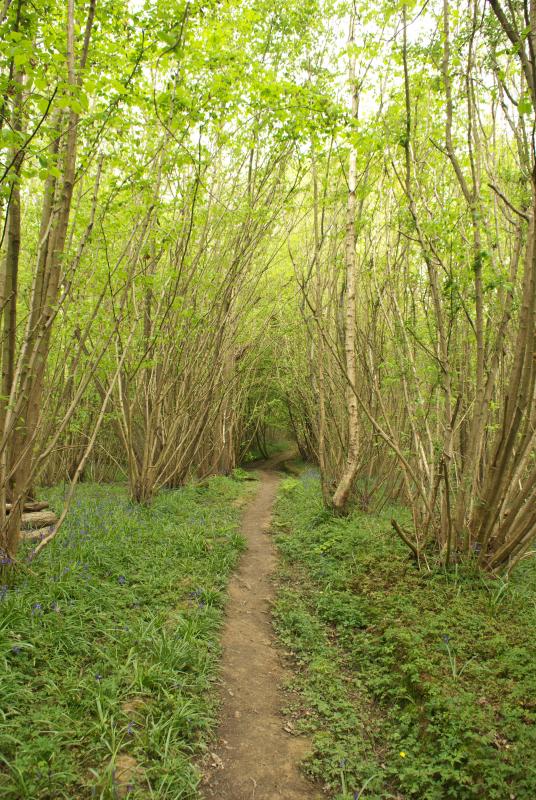
This was the first time we cycled to the wood from our new place. It's 7.5 miles instead of 5.5 form the old flat, and takes just under 40mins, compare to just under 30. However, the additional distance is along a cycle track past fields and lakes heading into Rye, which is very pleasant.
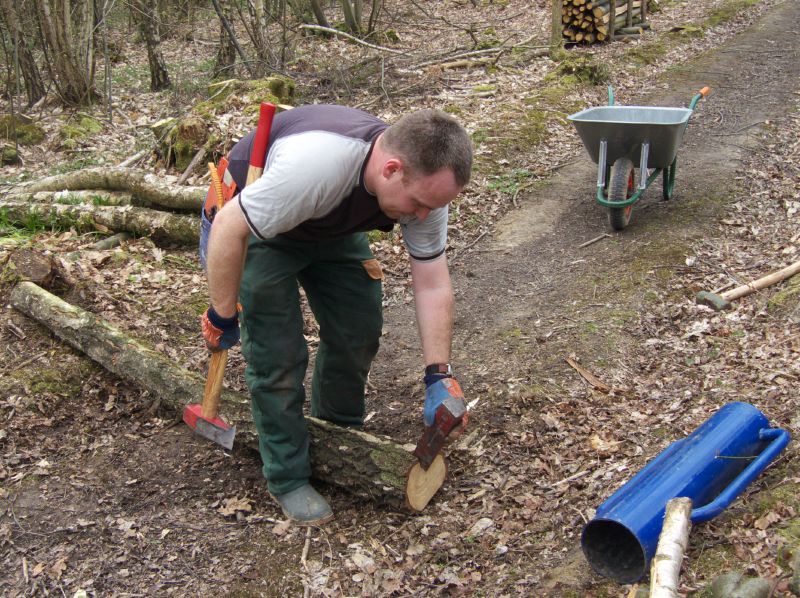
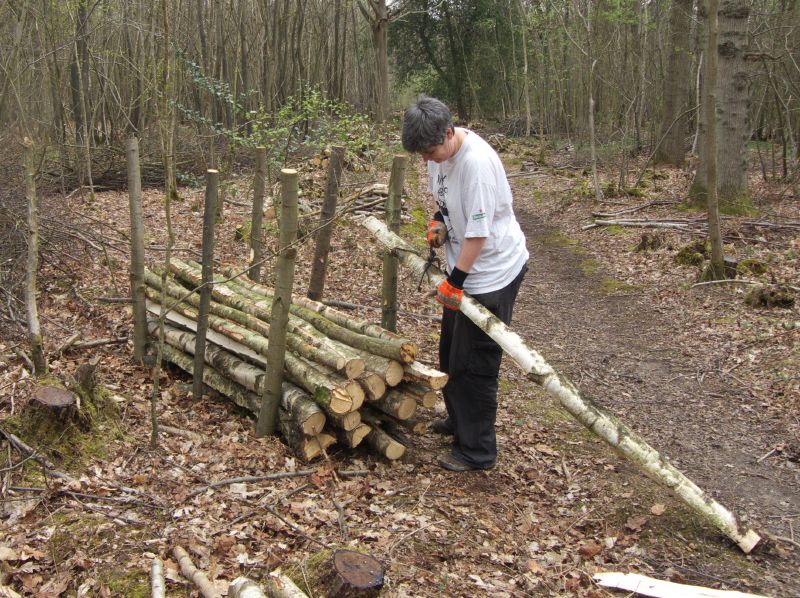
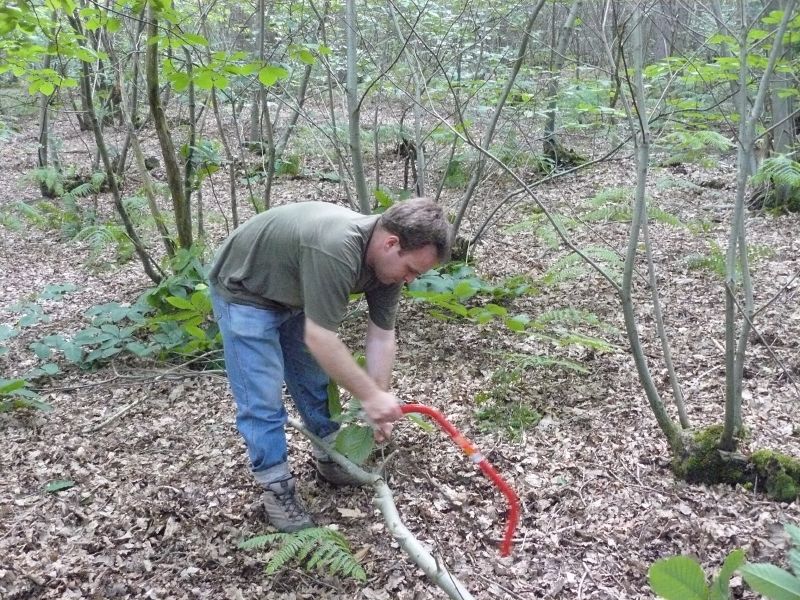
We did actually go up to do some work, splitting some of the logs we felled last winter and loading them into racks.

 We set the log rack at an angle to the path because there's a young oak that I want to avoid damaging when we come to cut the logs up in the autumn. We didn't get to split and stack the logs during felling as we ran short of time, and they were a little harder to split having been left for a few months, but not too bad. The smaller logs I'd striped with the chainsaw during felling, so they didn't need splitting.
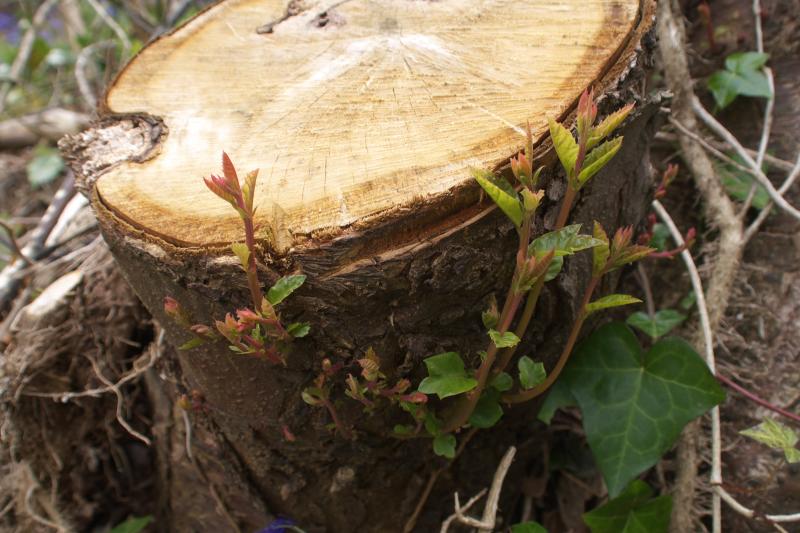
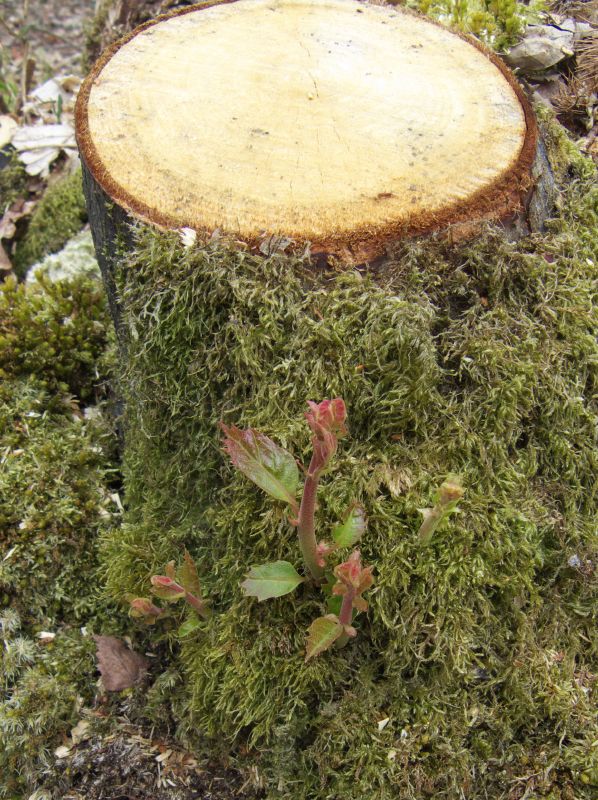
The stools are regrowing already where we felled trees just a few months ago:
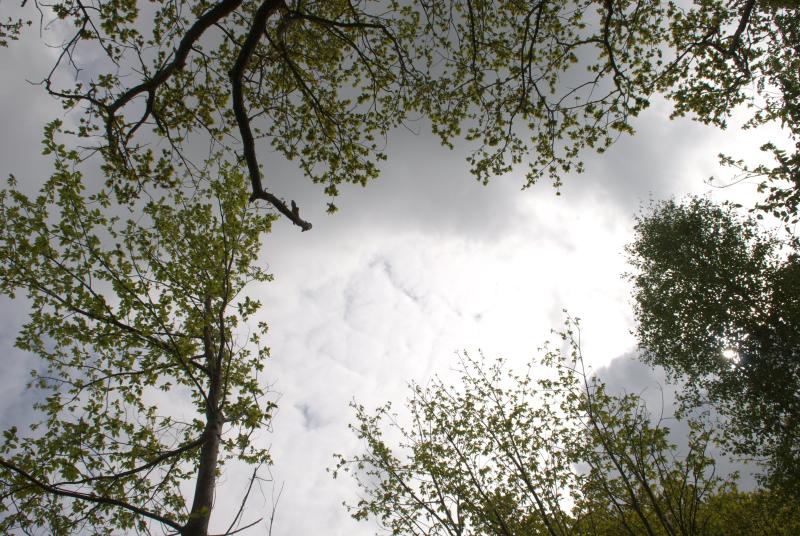
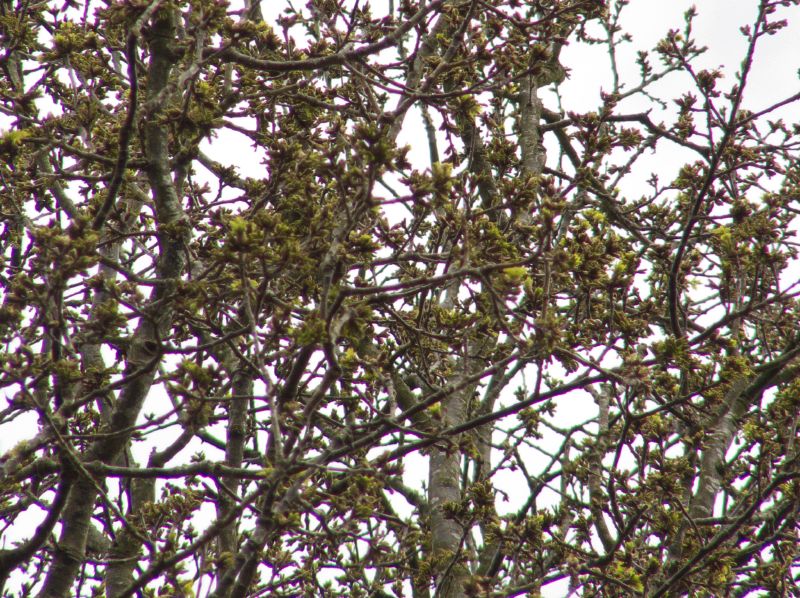
 and one of the mature oaks there is already developing a canopy:
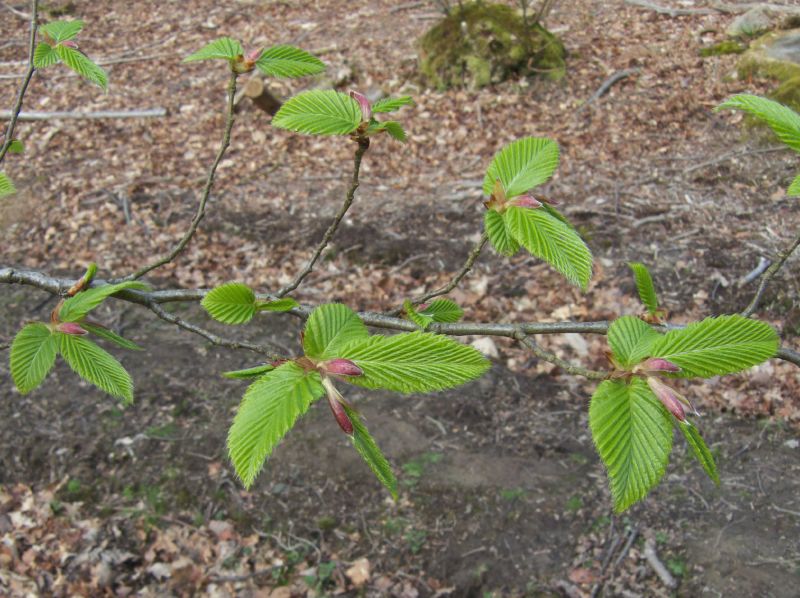
 Back in the area we cut in 2007/8 the hornbeam we left standing is now developing its leaves rapidly:
 The birch coppice is growing again too:
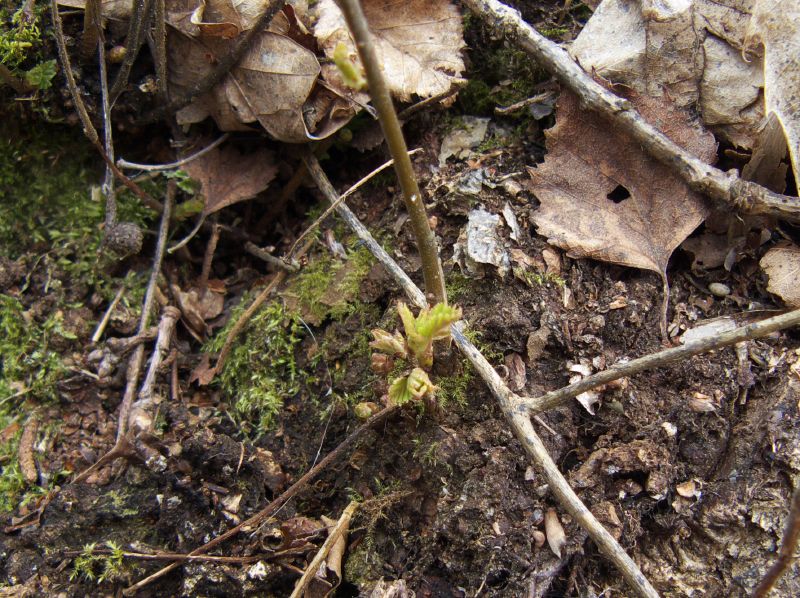
 as is the chestnut, but there's a longer story there... Here's a healthy chestnut stem, with buds ready to open:
 but on the same stool is this stem, which is beginning to look a bit emaciated:
 The reason can be seen at the base of the stem:
 Rabbits! This is the damage they did when the snow covered up the grass they usually eat. However, you'll notice that new buds are forming at the foot of the dead stems.
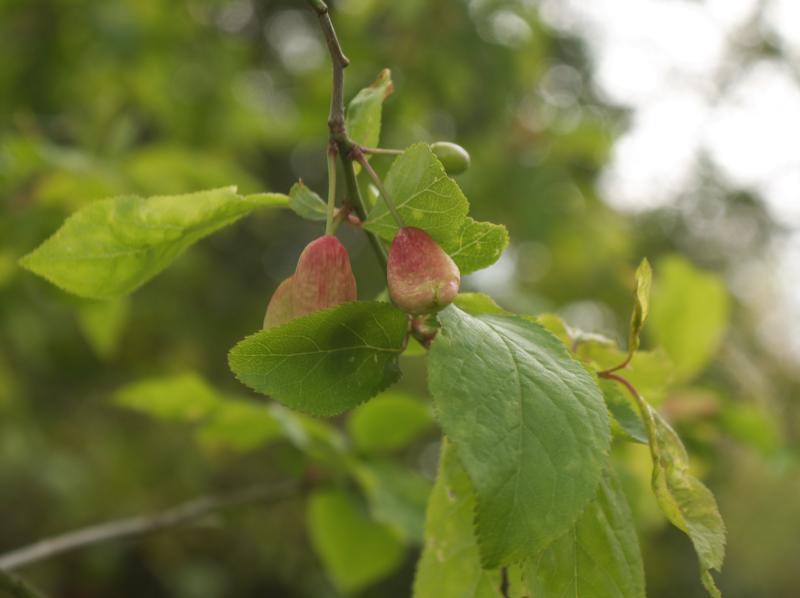
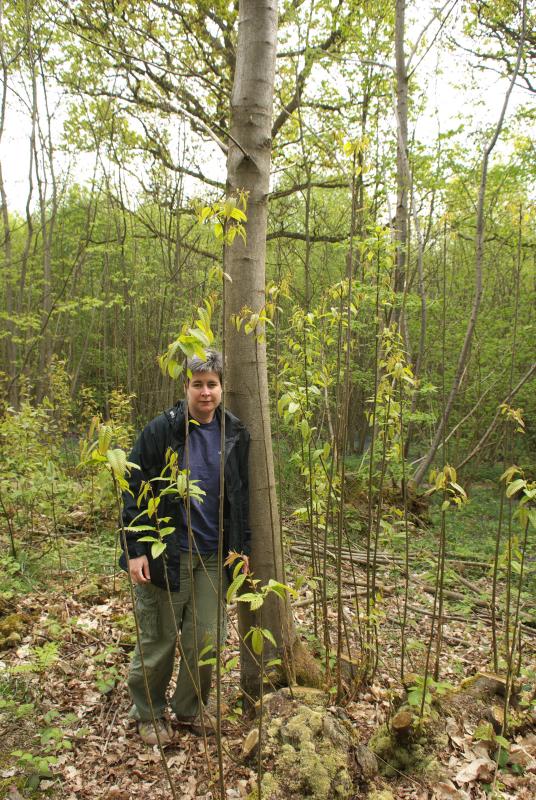
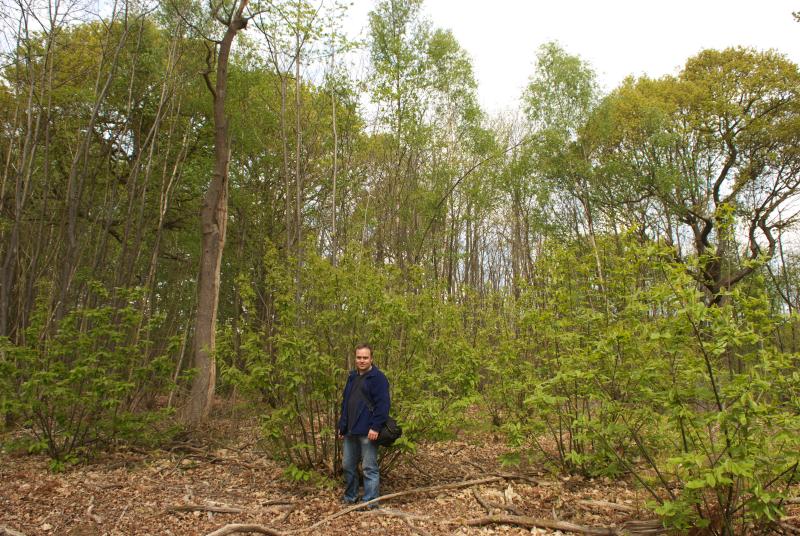
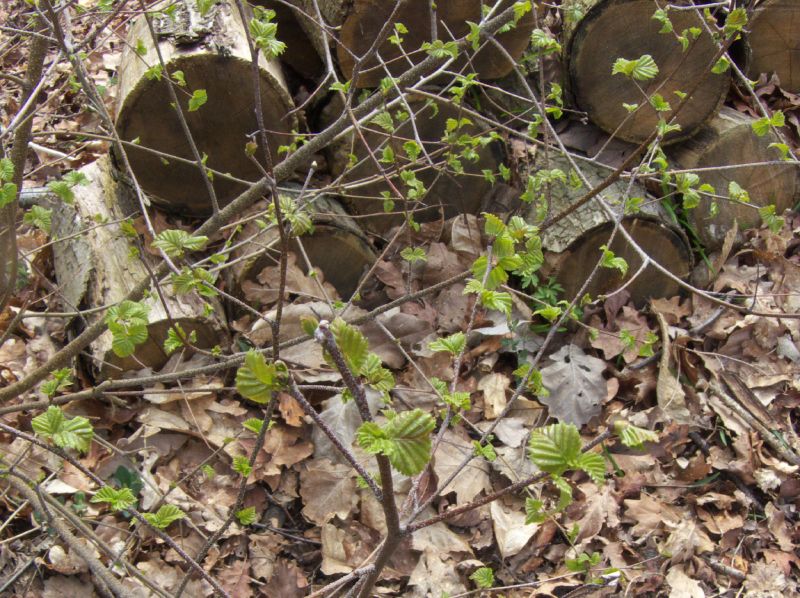
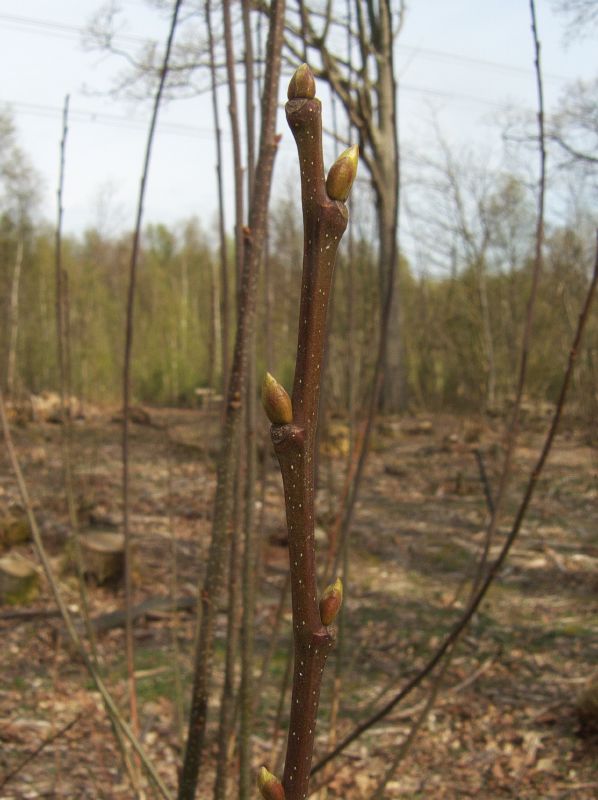
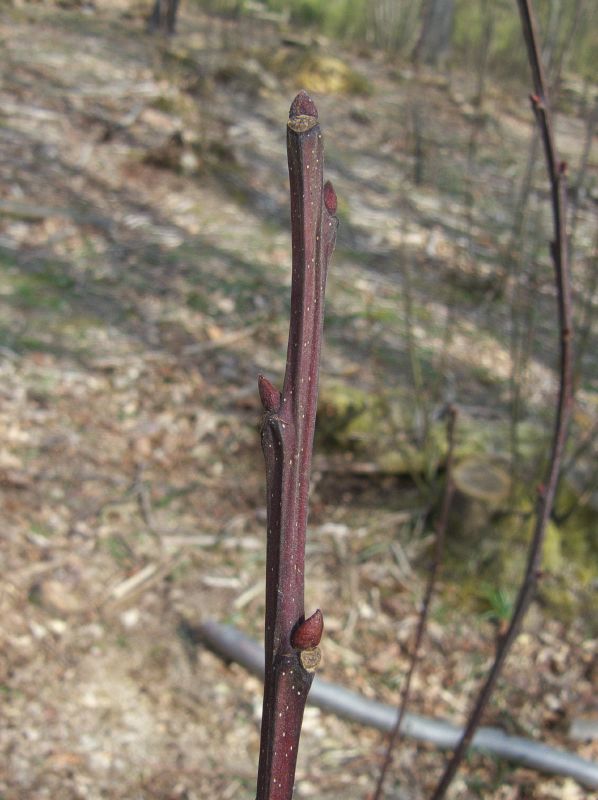
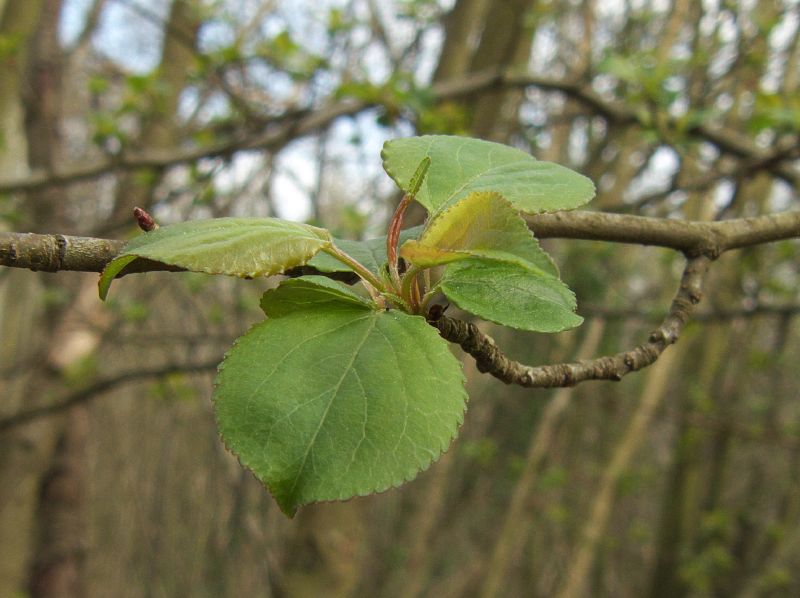
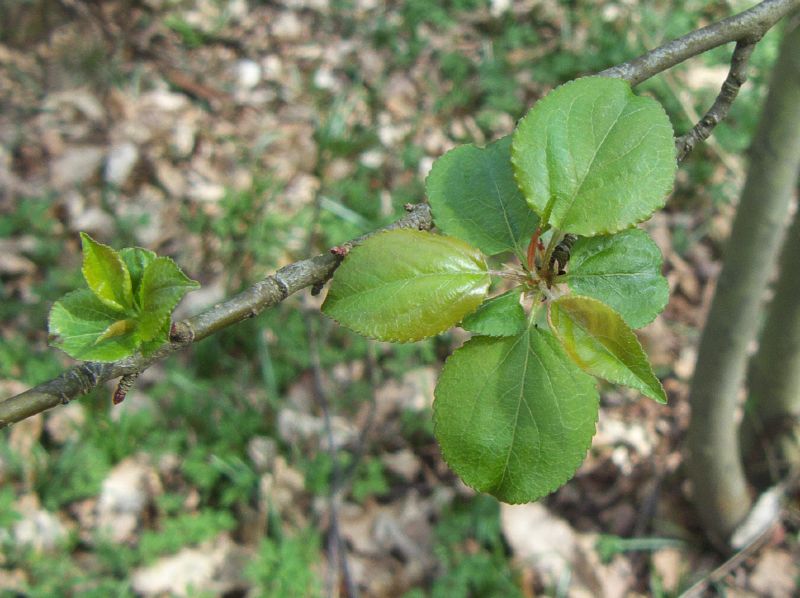
As always there is genetic diversity and the effect of different locations having an effect, so some chestnut is a bit further on: There's also a mystery tree. We've been trying to ID it, and think it *might* be Purging Buckthorn (which gets its name from the laxative effects of its berries!) but we aren't sure at all. If you have any idea, leave a comment or email us. It's about 8 metres tall, here's some pictures of the leaves:

 Anyway, on to the smaller plants. The area we coppiced in 2007/8 was pretty barren on the ground back then, here's a picture from summer 2007, where you can see that apart from the occasional fern there's not a lot growing:
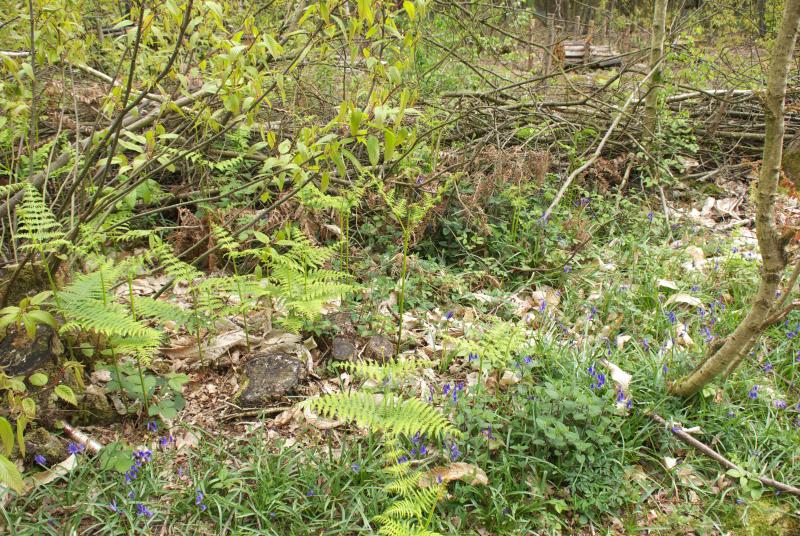
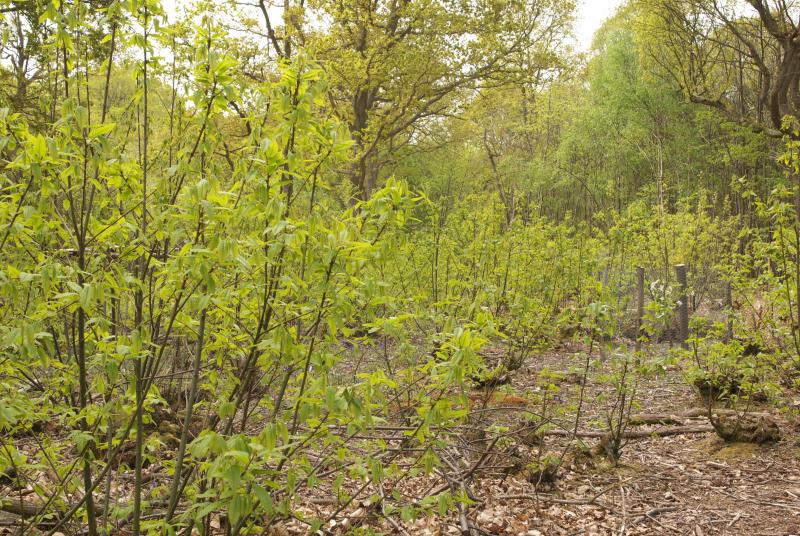
 Here's what it looks like right now on the ground:
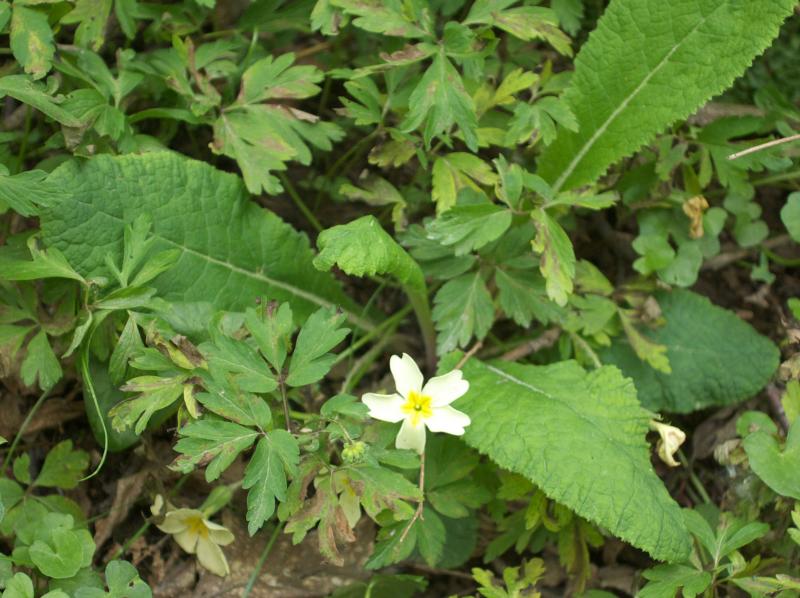
 As you can see, various little plants coming up - I'll ID them when they get a bit bigger.
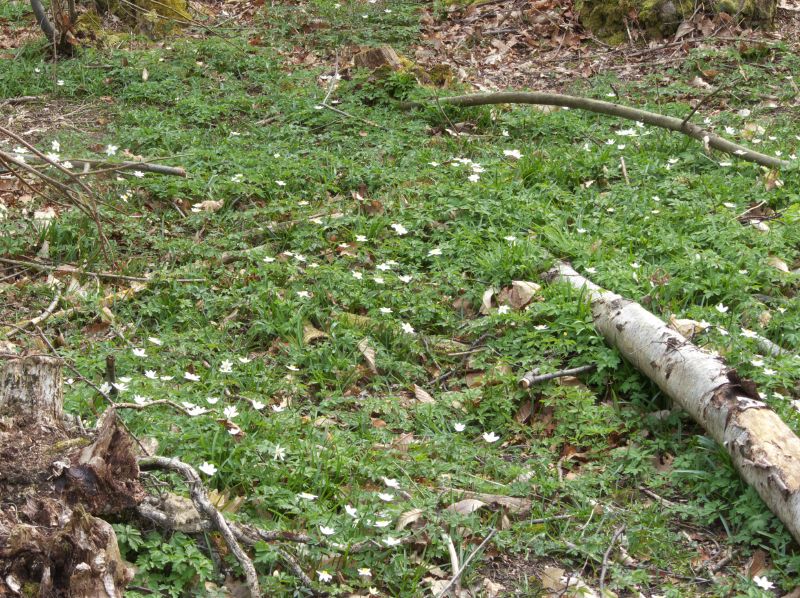
Nearby is a big patch of Wood Anemone:
 The interesting thing I learned about this plant at the SWOG event last weekend is that it mostly spreads underground through its rhizome, and at an average rate of 20cm (8in) a year. This is why it is seen as an ancient woodland indicator, and also partially explains why there are parts of our wood that are full of it, and parts with none at all - I guess soil types and coppice cycles must have something to do with that too though. At the edge of the patch photographed above you can see new plants coming up a short distance from the main colony, like this one on its own here (middle bottom of photo):
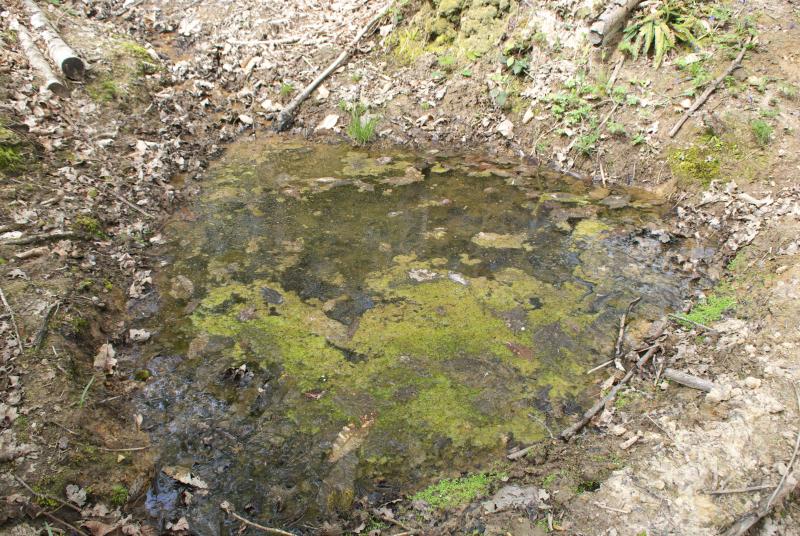
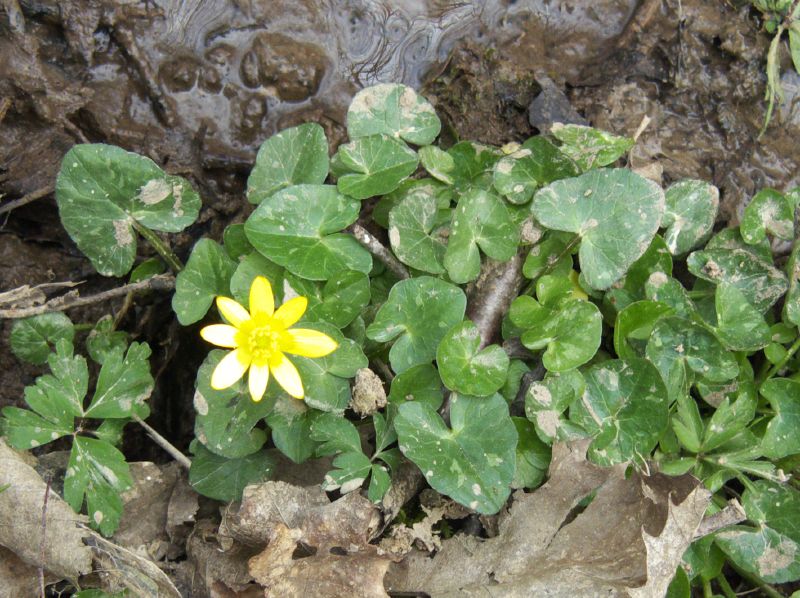
 OK, on to other plants. Lesser Celandine is back, in Sweep Wood, where it likes to grow near the stream that is still flowing:
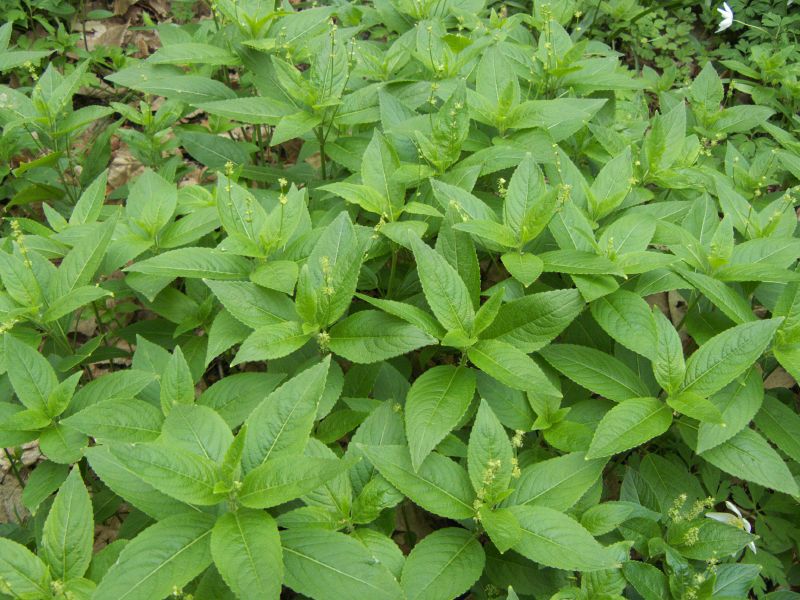
 There's also lots of Dogs Mercury (another ancient woodland indicator) there. I didn't know what this was until I someone showed me last weekend (at SWOG, again).
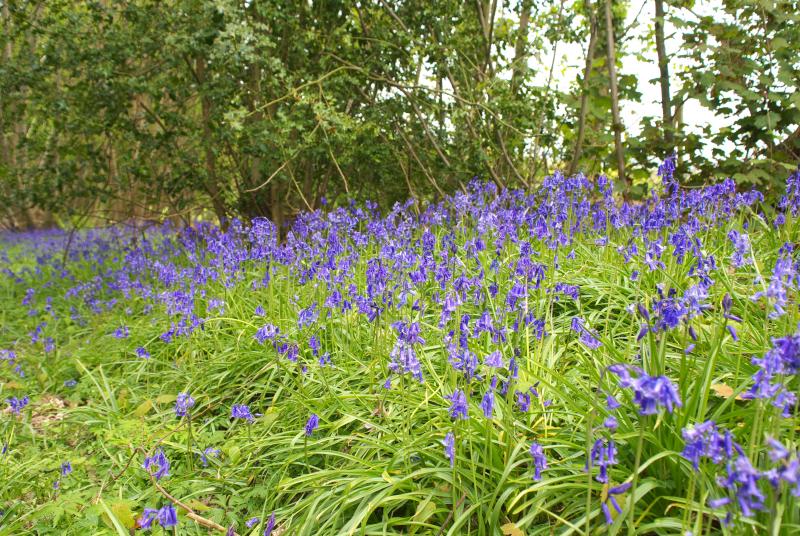
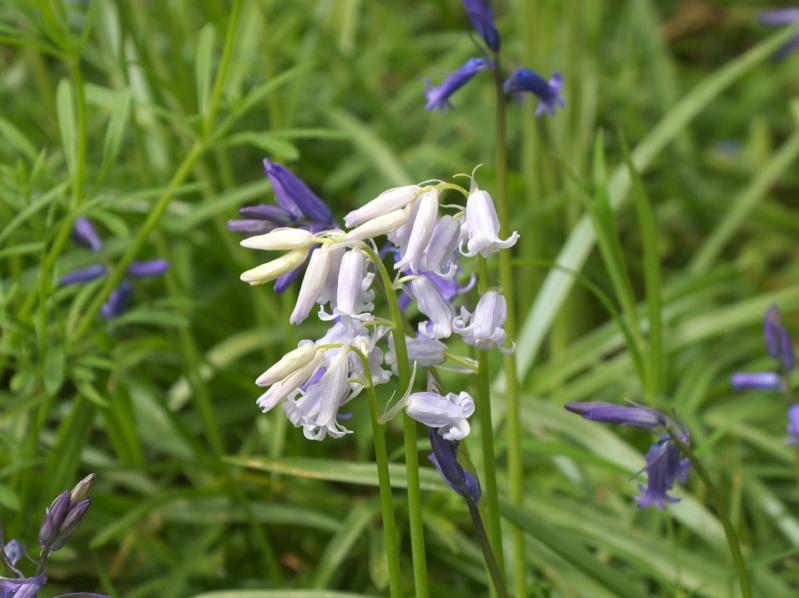
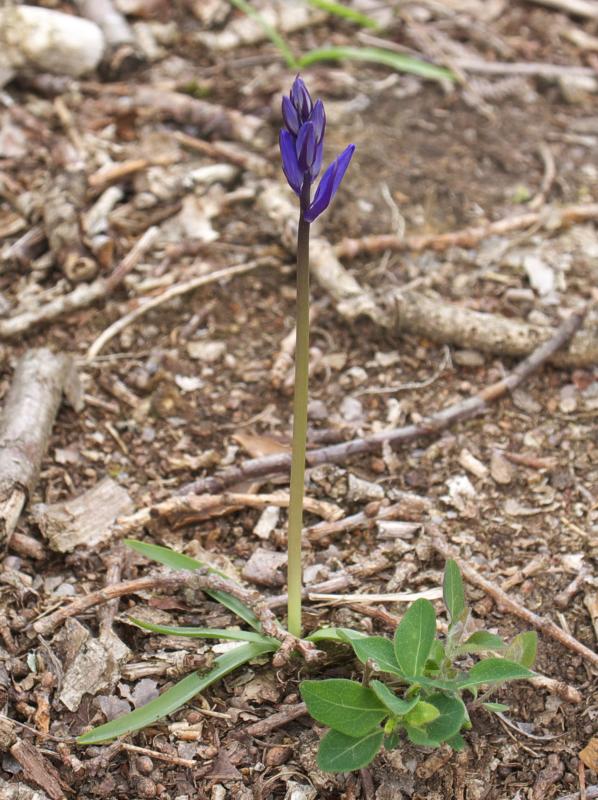
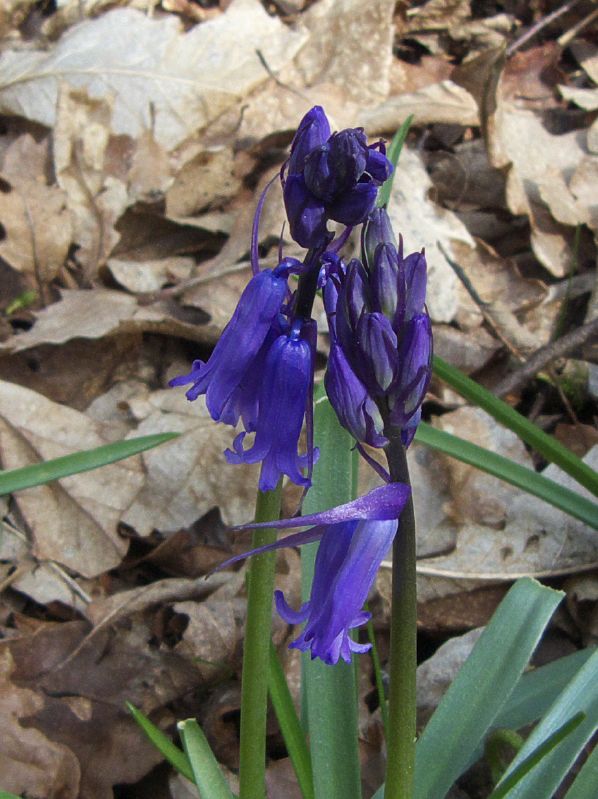
 Also, the bluebells are finally coming out:

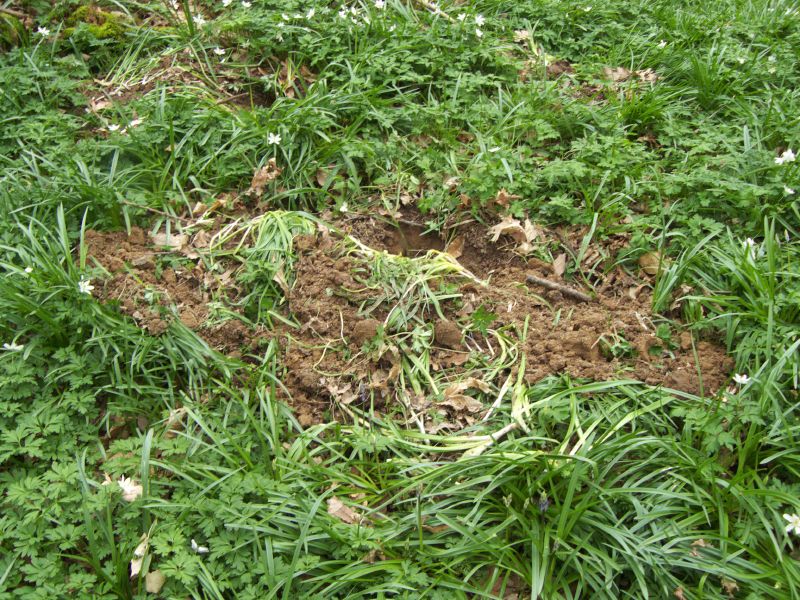
 though some are being dug up in Sweep and other woods by the boar:
 This is OK though, it periodically stirs the soil up and gives different seeds a chance to germinate. You wouldn't want the whole wood dug up like this, but we're nowhere near that situation at present.
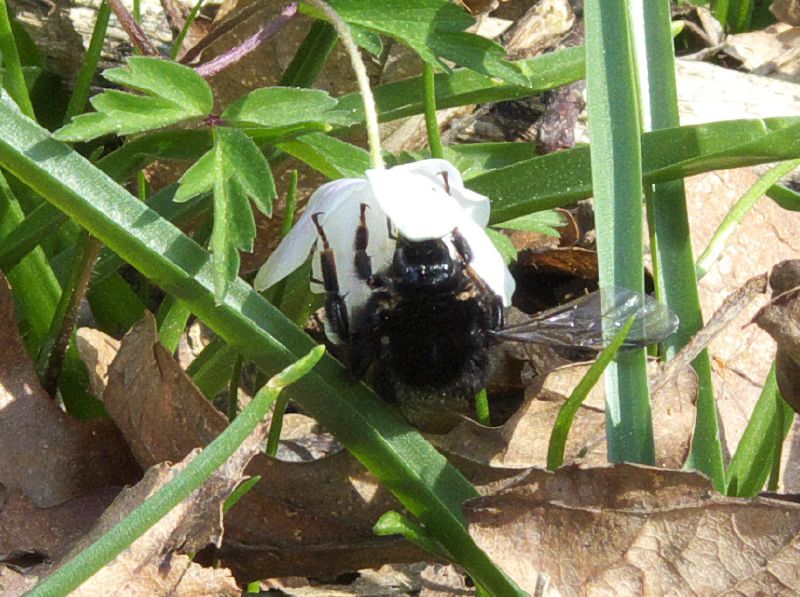
Next up, insects. I saw this cool bumble bee, larger than a normal one and all black except for a bright orange/red back. I could get it's back in the photo, but here's what I did manage. I think it's what's called a "red-tailed bumble bee".

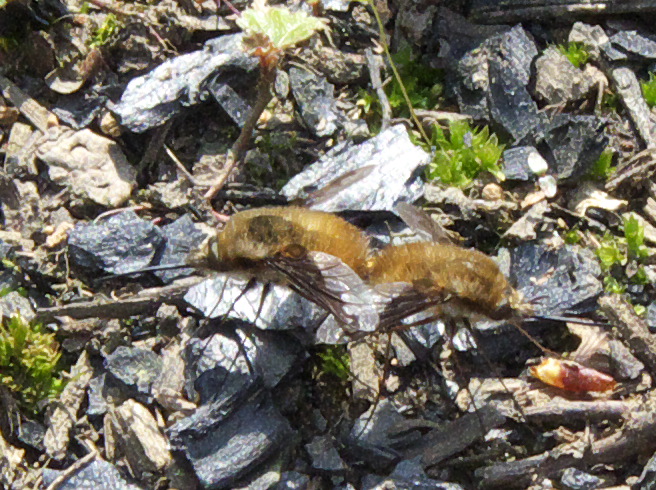
 There are loads of other insects around, some of them mating:
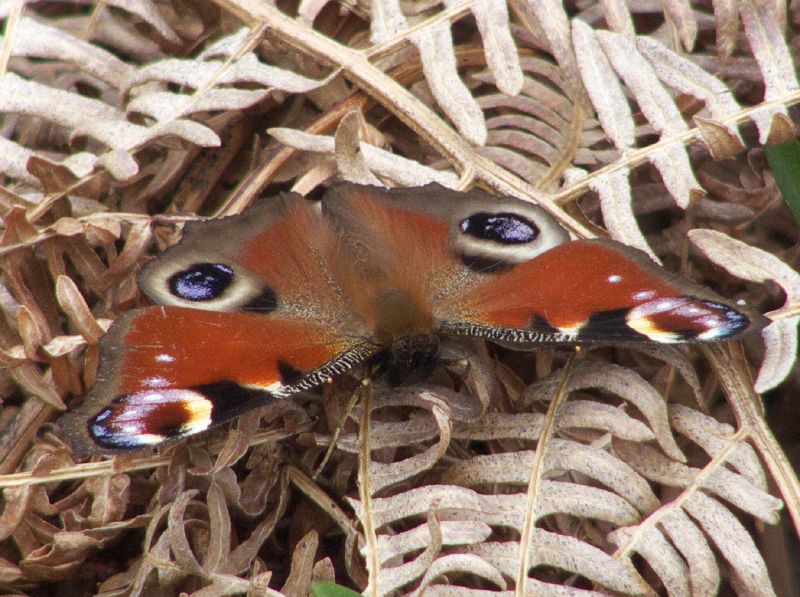
 and others just sunning themselves:
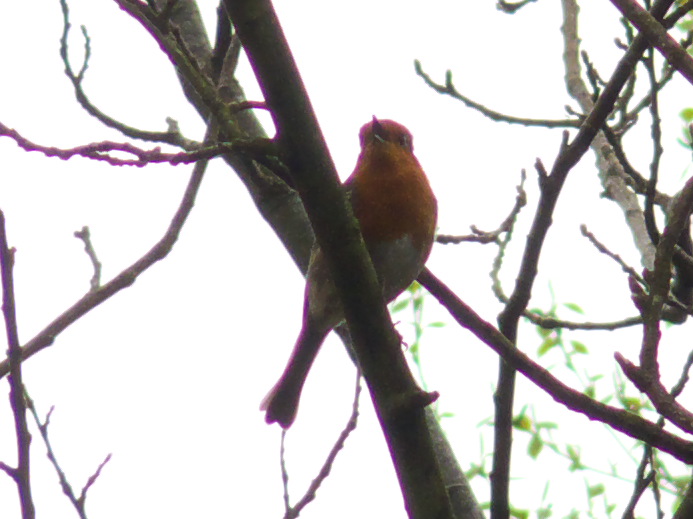
 and of course with the insects come birds that eat them, like this robin noisily marking out his territory in the footpath where we coppiced a few months ago (sorry about the purple fringing, I didn't have the SLR with me, and this was at the long end of the compact's zoom range):
 In the afternoon we took a walk over to my friend Alex's wood on the other side of the wayleave. This is where the people doing the research on the impact of wild boar have put up most of the dormouse boxes - apparently his bit of the wood is where they're most likely to be found. Don't forget, if you see a box like this *don't* look in it!
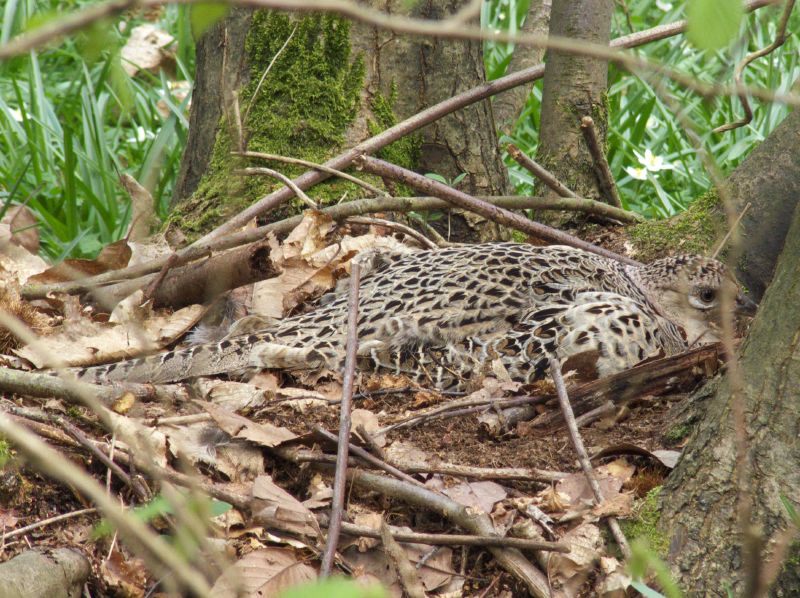
 Last but not definitely not least, while we were walking through Alex's wood Tracy noticed something odd, and spotted this eye looking at her between the stems on a coppice stool:
 On closer inspection we found it was a pheasant. We were puzzled that it hadn't run away as they usually do, so we think it is probably incubating some eggs. Given that, we avoided approaching too closely, and I zoomed in with the camera to get this picture:
 The bird just sat there completely still, blinking occasionally, which I guess is what you'd expect with its precious eggs under it. I was thinking it was a pretty vulnerable place to nest, but apparently as soon as the chicks are dry the mother leads them off out of the nest, and within a week they are able to make short flights!
That's all for now, tomorrow we're off to visit a friends wood, and then back to ours on Monday to do a bit more work and enjoy the spring weather.
Mike
Click here to read the rest of this post.