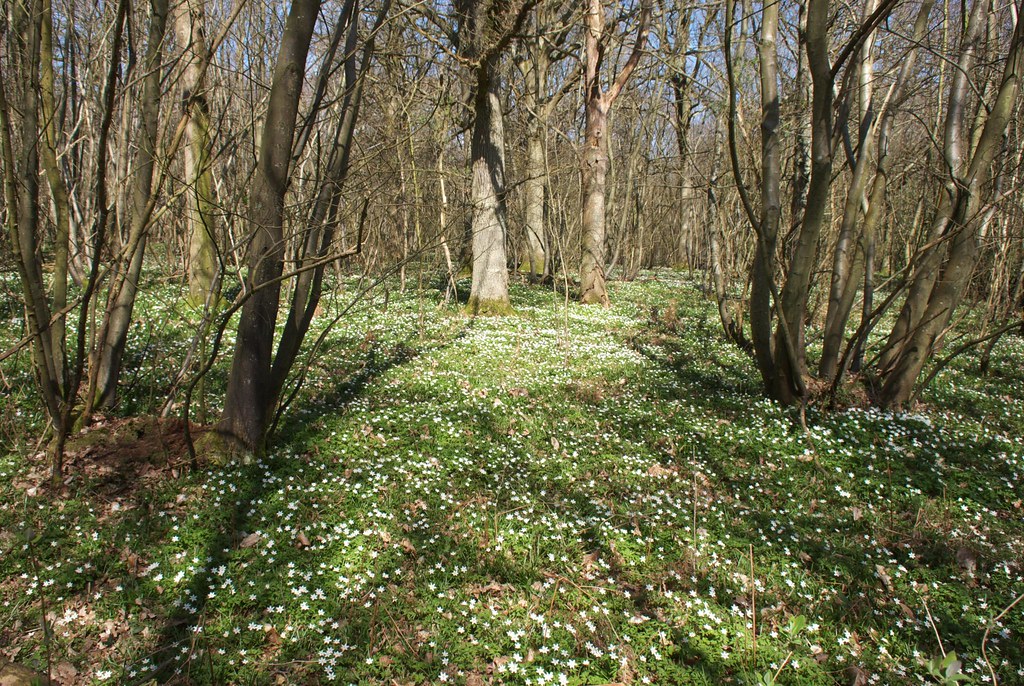
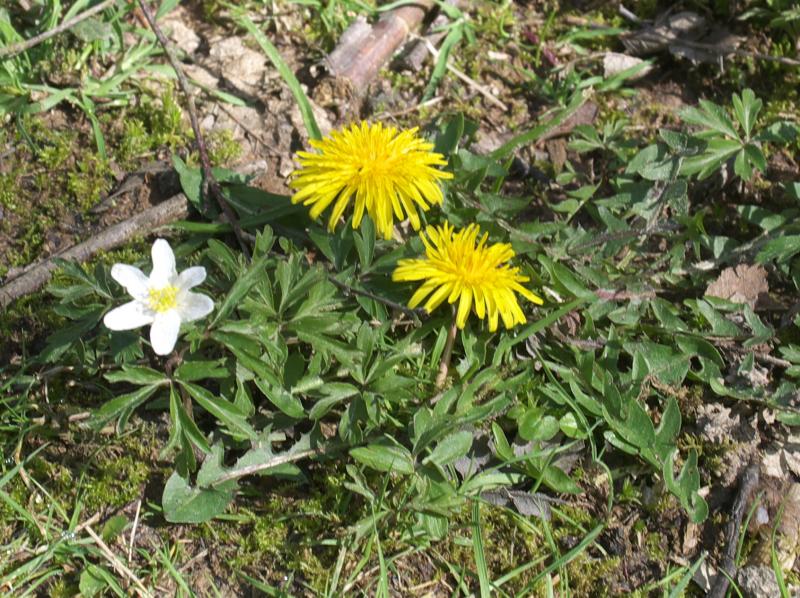
At last, the wood anemones are in full bloom!That picture's from our friend's wood on the other side of the wayleave. Here's one from ours, near the pond, where we coppiced just over a year ago - there's new flowers arrived - dandelions:
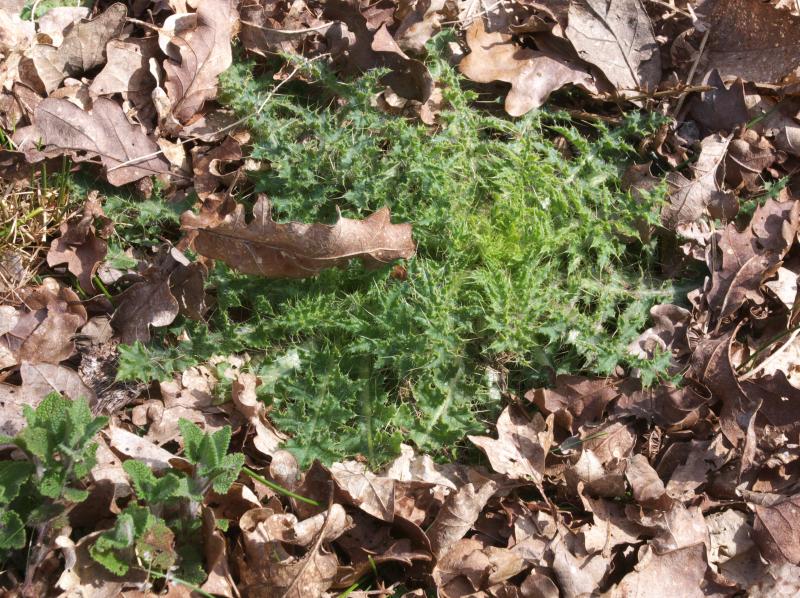
There's other promising developments too, like lots of thistles, seeded from the single thistle we had last year I assume.
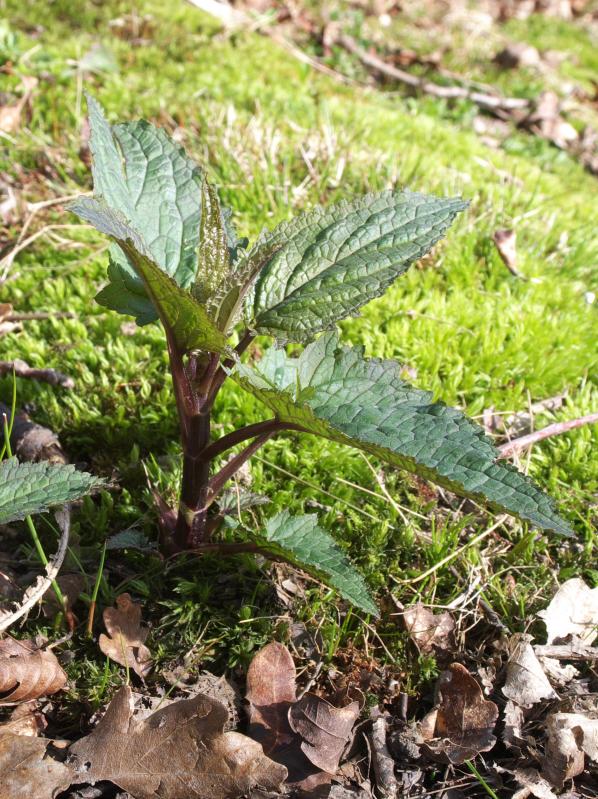
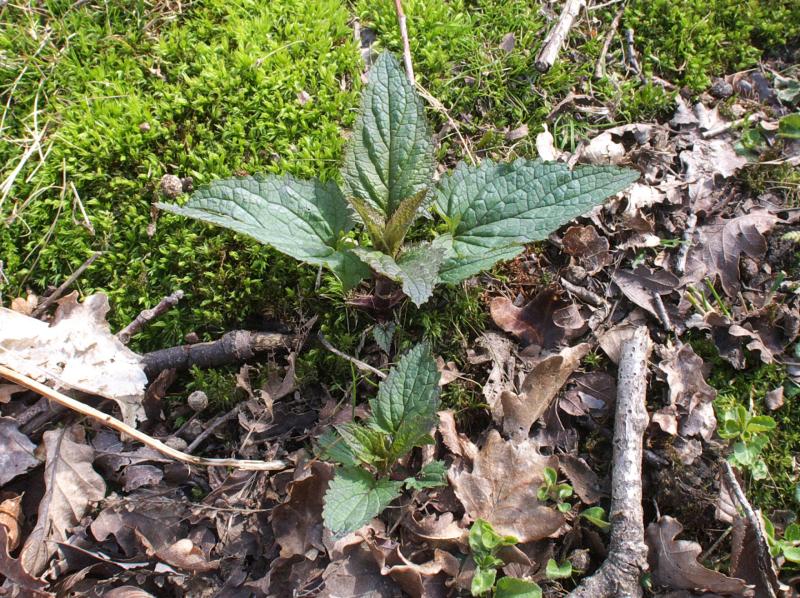
And a mystery plant we haven't identified yet. We'll probably have to wait for it to flower, unless anyone knows it straight away?
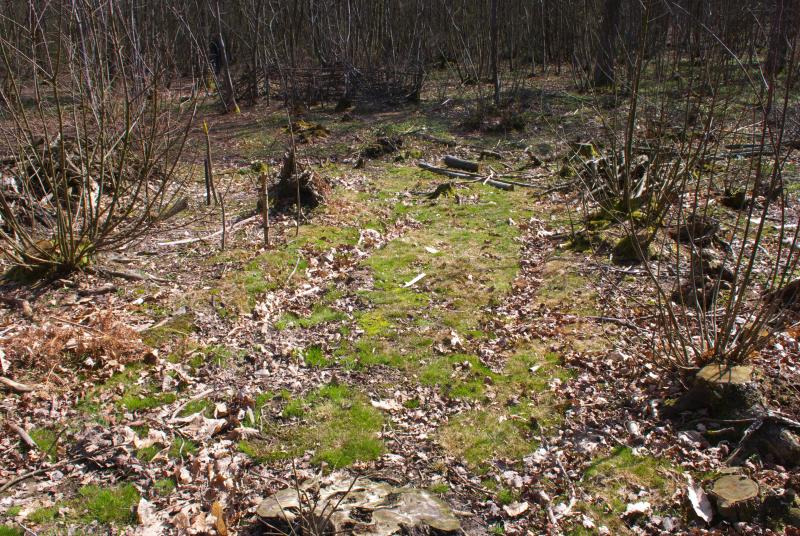
The area we coppiced in 2007/8 is beginning to look green again:
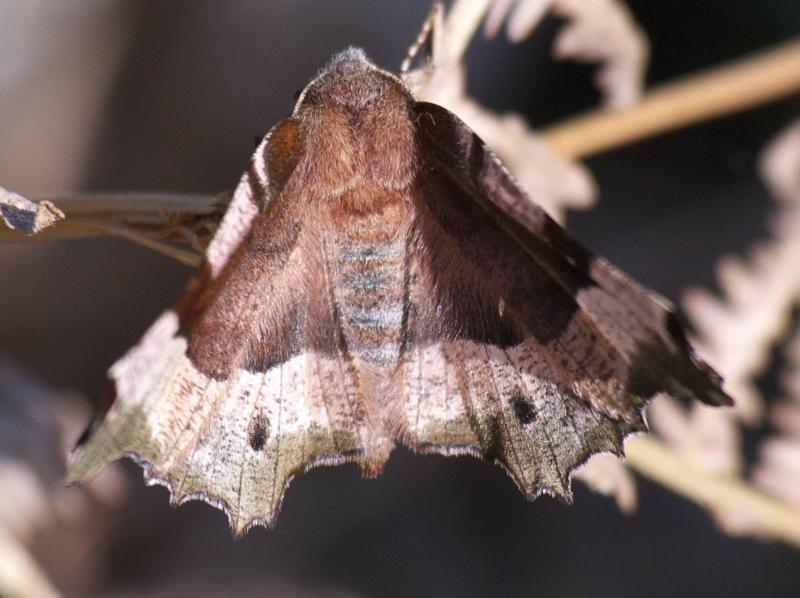
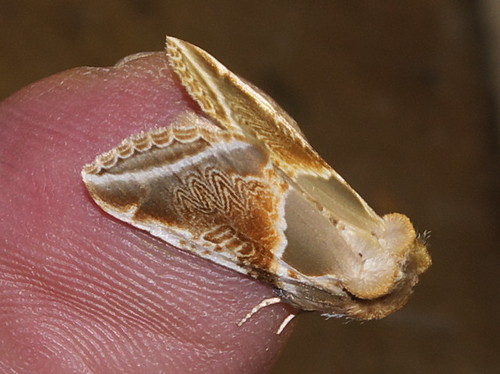
although there were still plenty of dead leaves from the autumn to camouflage this Purple Thorn moth while it rested:
Butterflies were busy in the same part of our wood too, including several Peacocks:
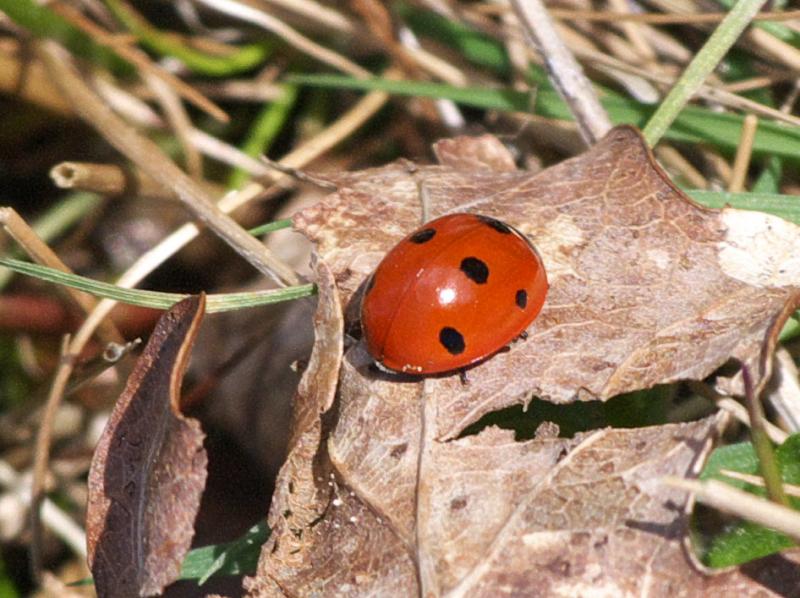
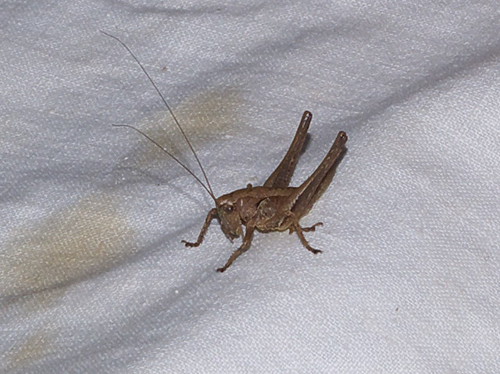
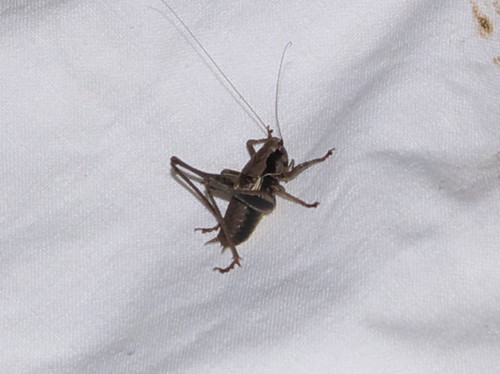
There's other insects out as well now:
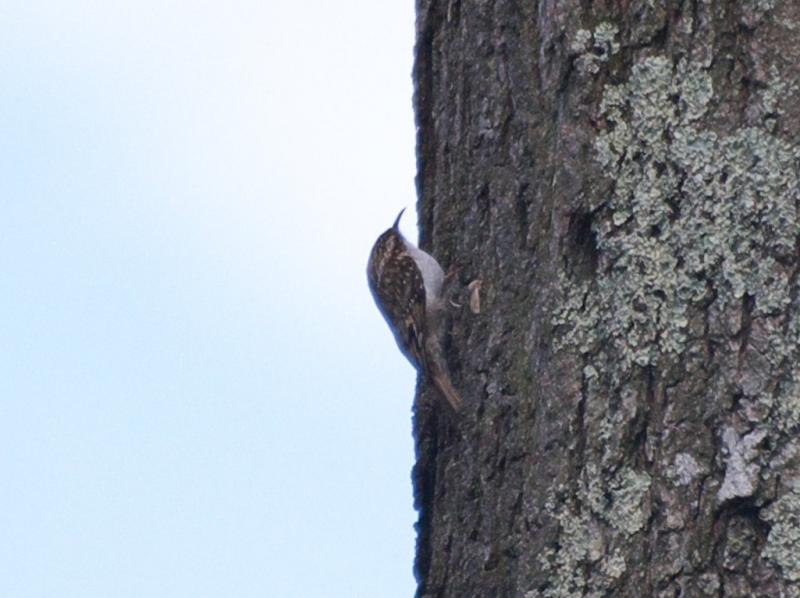
and with the insects come the birds that eat them, such as this Treecreeper:
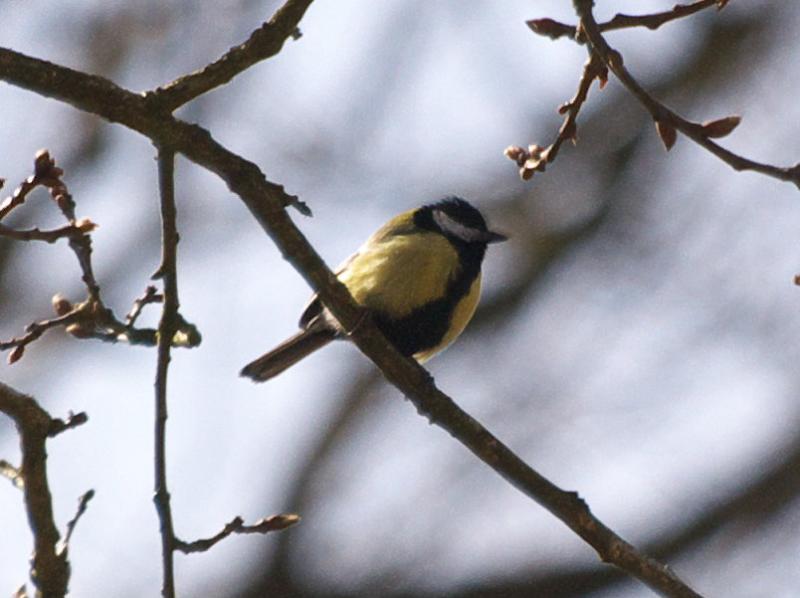
and this Great Tit
A surprise in the wayleave was to see some Sparrows hiding in the brambles, as they're normally living nearer to people.
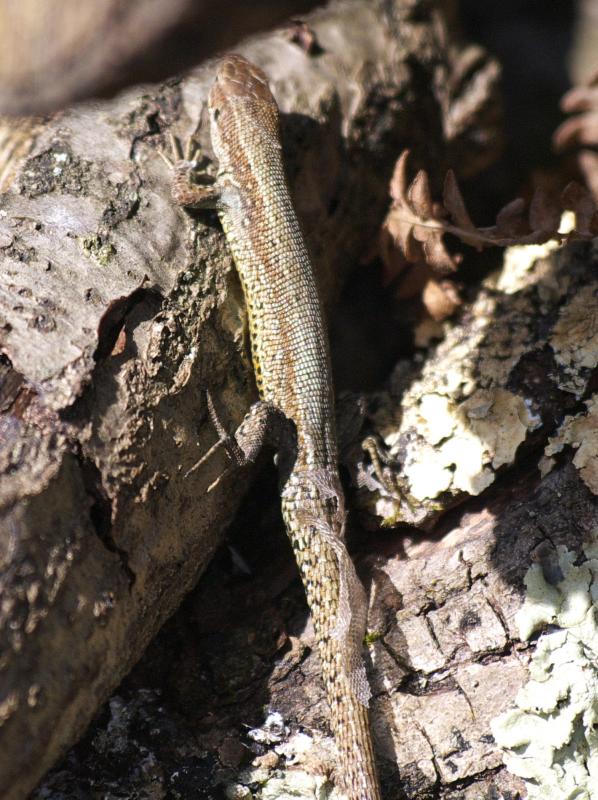
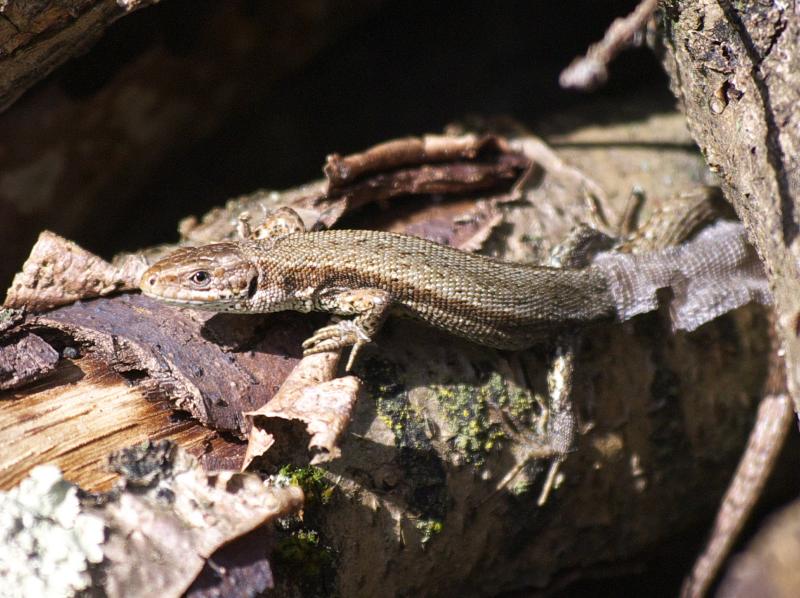
Back to insect-eaters, we saw this lizard near our camp as well. You'll see it's in the process of shedding its skin:
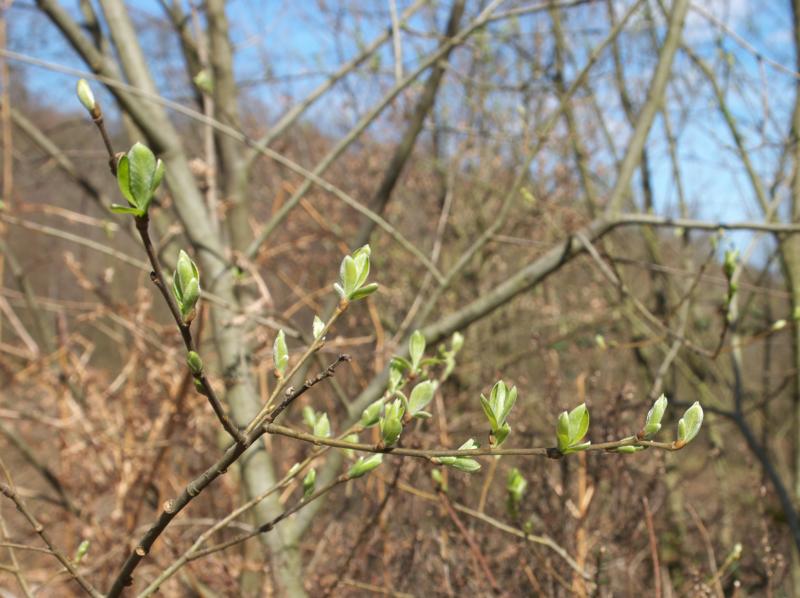
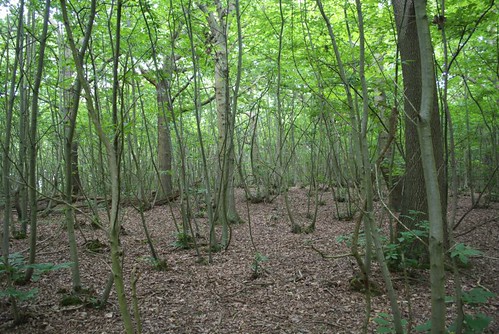
And finally, how are the trees getting on? Here's some Hazel:
Some Willow:
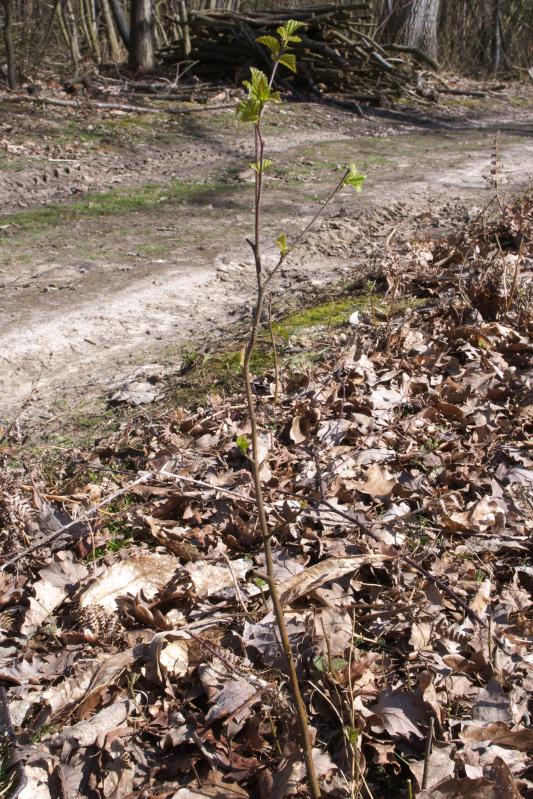
and some Birch:
Just inside our entrance we found a few self-seeded Birch that have been growing since we coppiced there. Very please to see this natural regeneration going on:
That's all for now. Hopefully we'll visit again this weekend as things are changing so fast in the wood right now!
Mike
Thursday, 15 April 2010
Springtime flowers and wildlife
Monday, 11 May 2009
Attack of the butterflies!
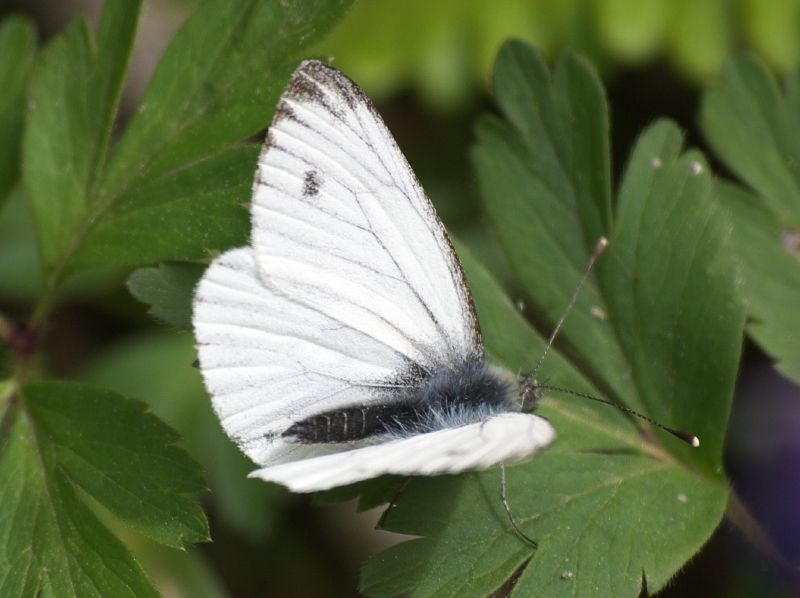
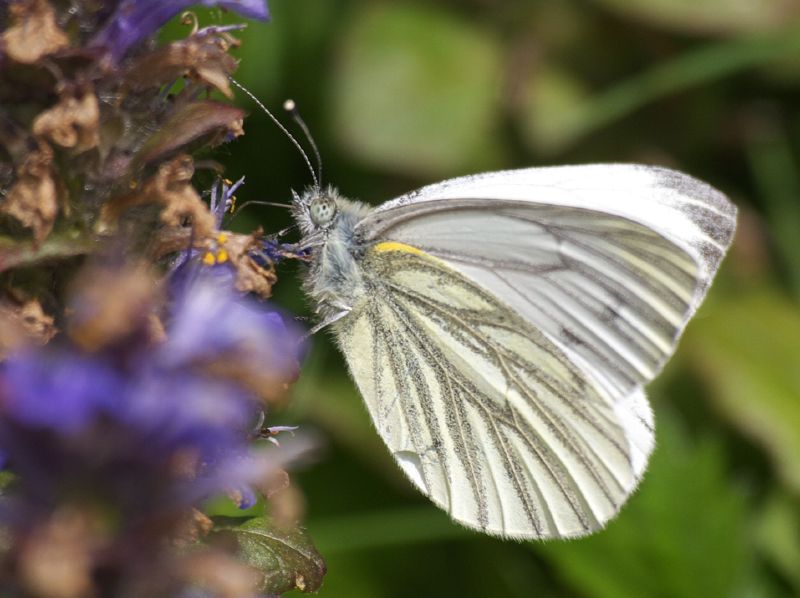
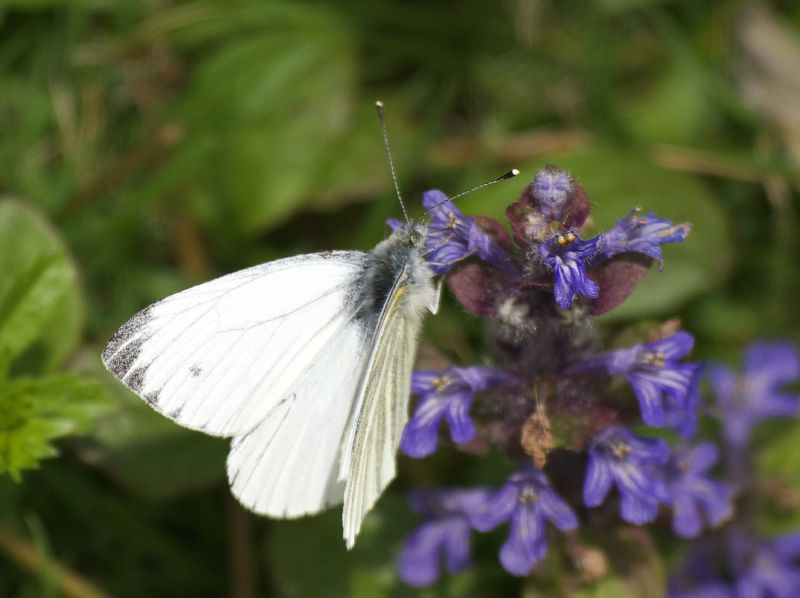
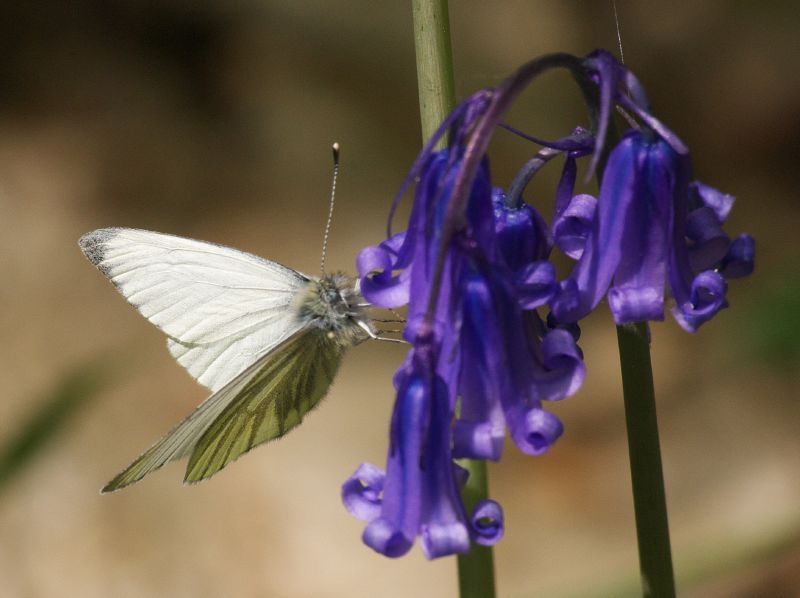
Yes, really, look - here's one going for another!OK, maybe they were courting, but there was certainly some chasing going on!
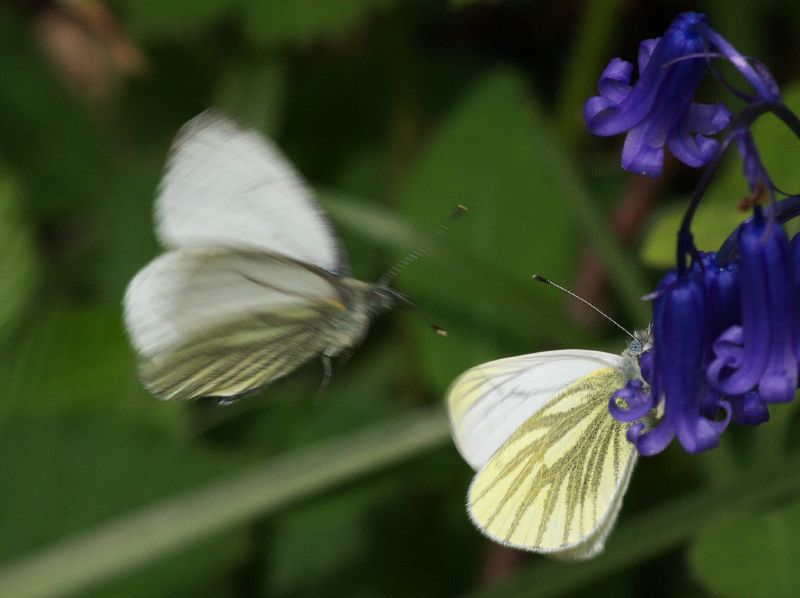
It's a Green Veined White (thanks to Steve Wheatley of Butterfly Conservation for help with the ID).
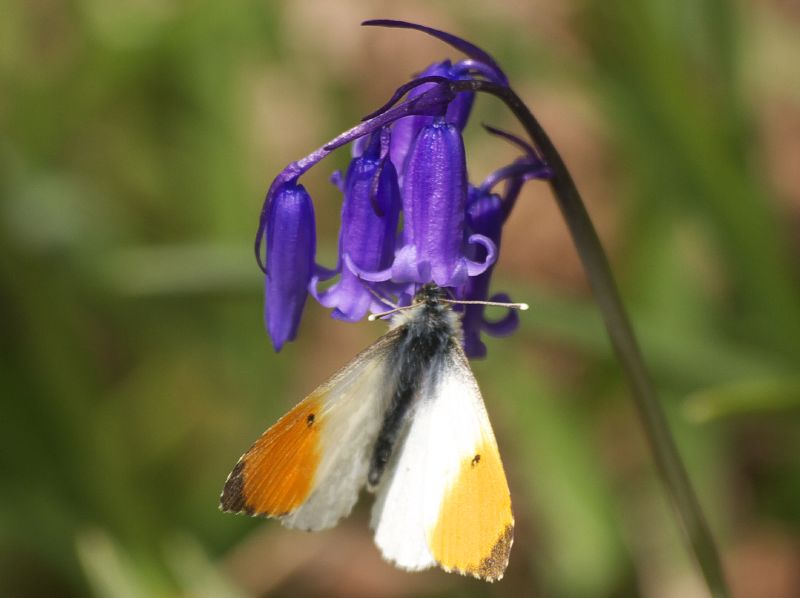
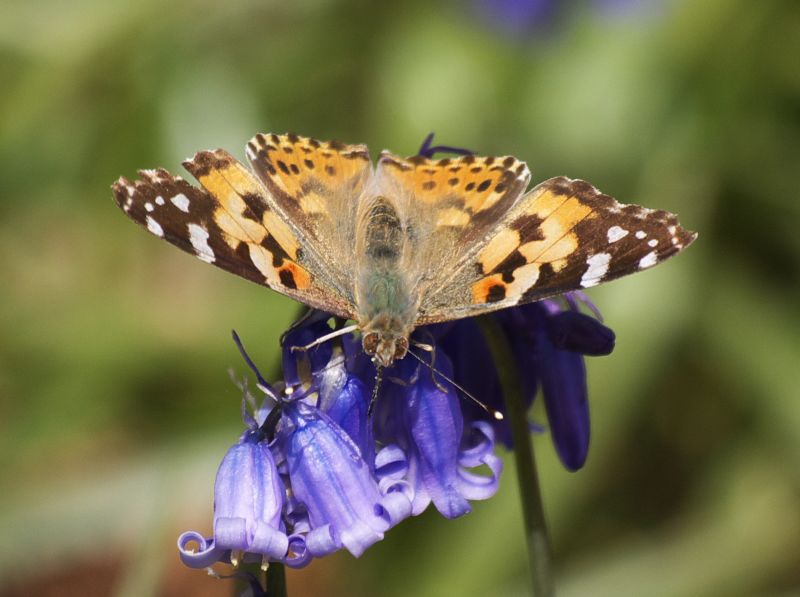
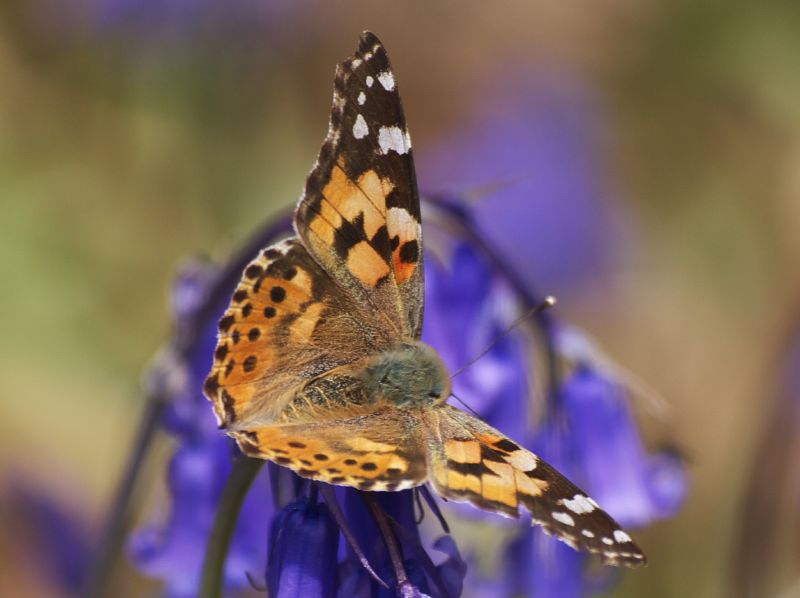
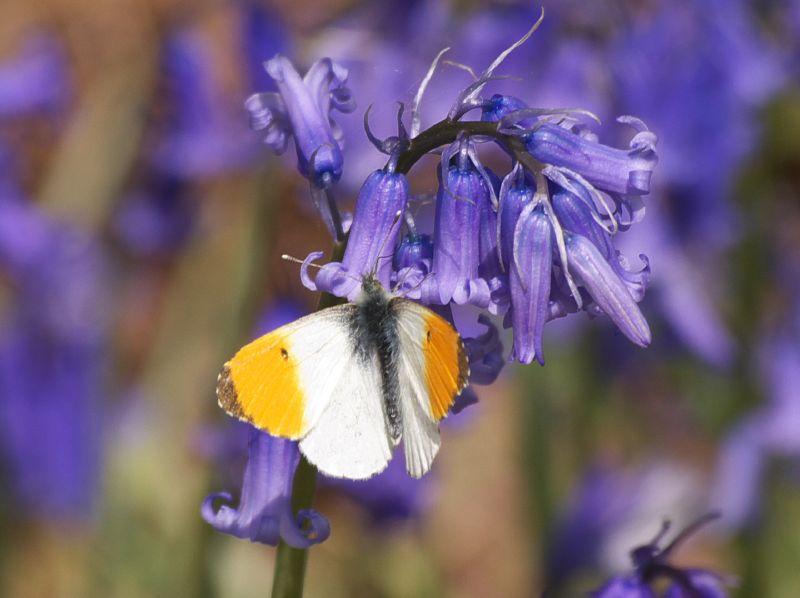
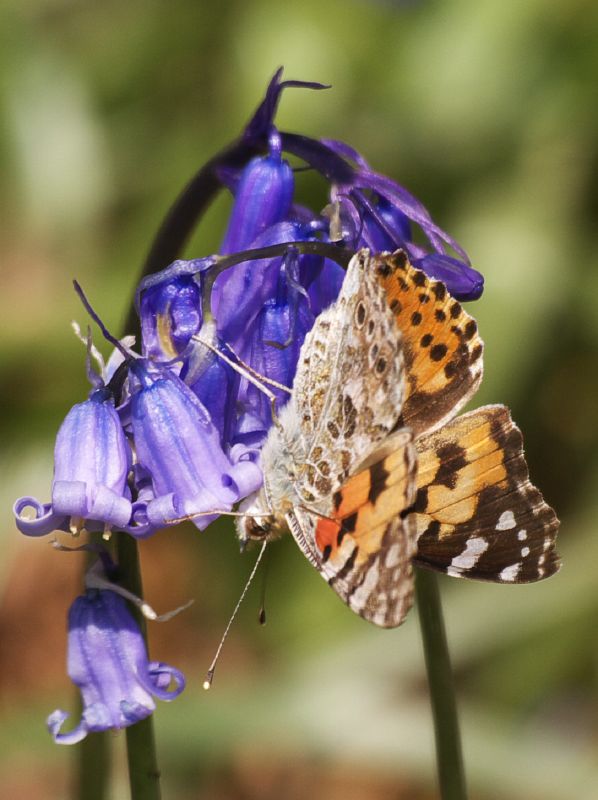
Anyway, the butterfly I was most pleased to see is not rare, it's just one I've never seen before in the wood: the Painted LadyThese were taken out in the wayleave, where there's the combination of lots of sunlight and also Bluebells. I guess when the Bluebells finish soon there'll be other flowers out for them to feed on. Also out there were several Orange Tips. Again not rare, but very striking:
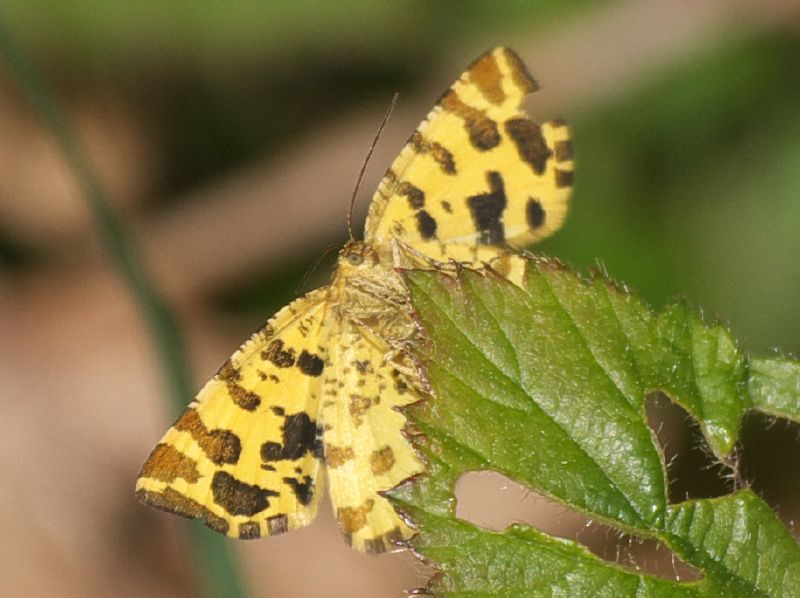
A quick mention must go to the Speckled Yellow Moth - there's lots of these around in the wayleave, but I like this photo as you can see its eyes clearly, and they look different to normal butterfly eyes I think (click on the picture for a larger version):
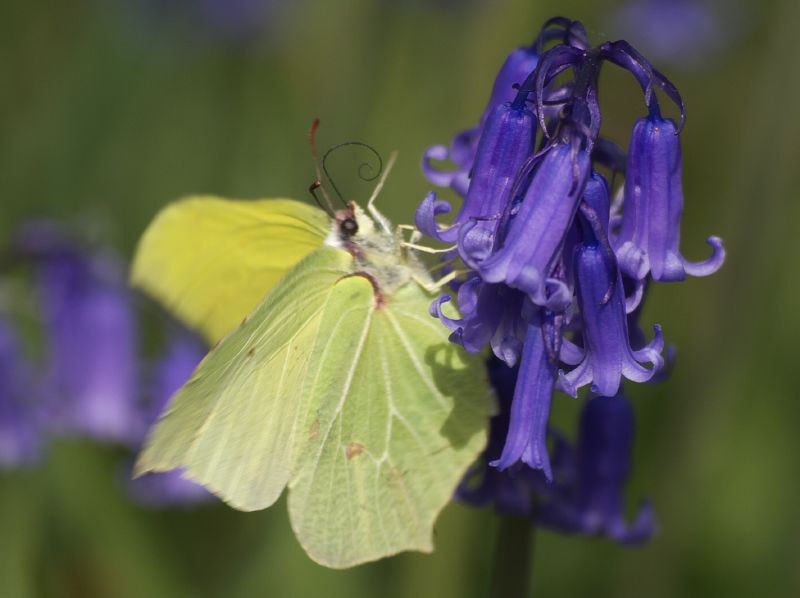
In the same patch was a Brimstone - I can get pictures of them now I know where they are feeding!
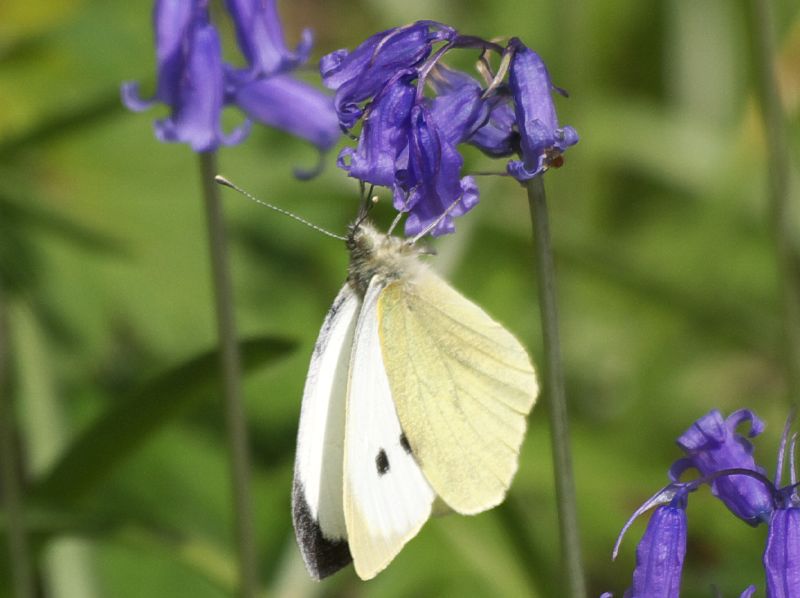
Further down the wayleave were several Small Whites
They seemed to prefer the Blue Bugle to the Bluebells:
I like the last one, where you can see its proboscis going into the flower to get some nectar.
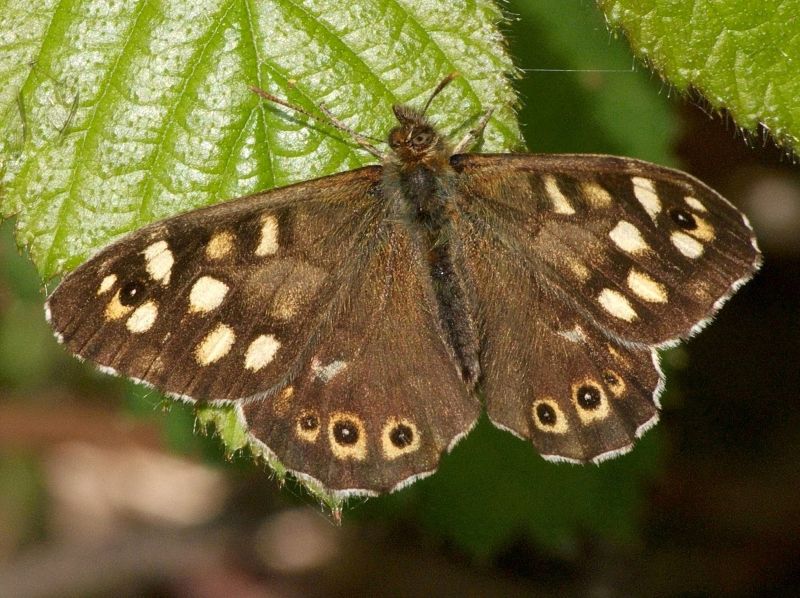
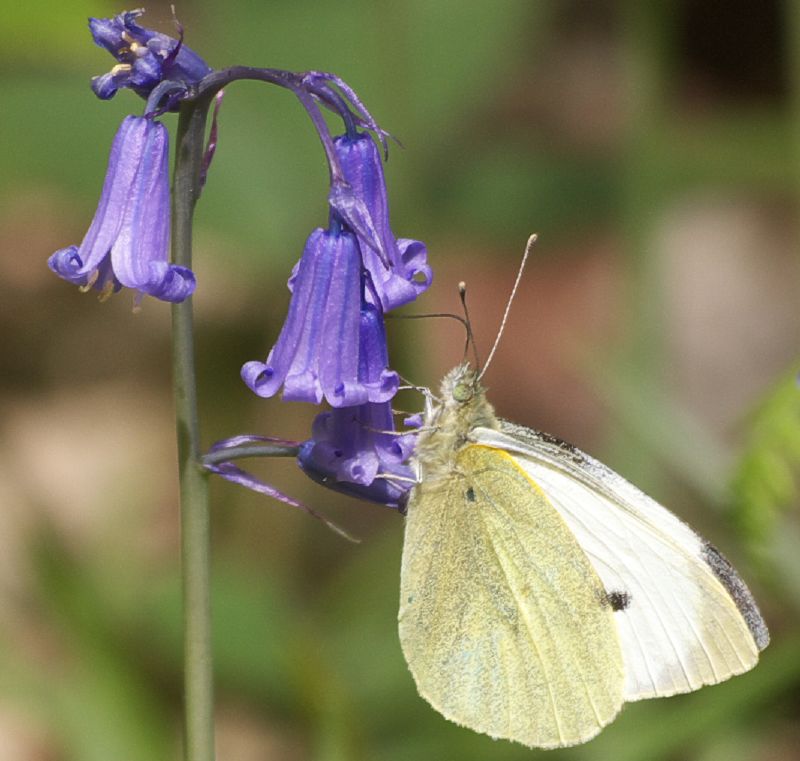
Here's a couple of pictures of a Large White. They're not particularly good photos, but I wanted to show the different markings to the Small White. They all look very similar from a distance, but once you know what you're looking for you can tell them apart (we're still learning though...).And finally, the Speckled Wood, which is enjoying flying around the edges of where we coppiced last winter:
Several types of White are also deep inside the wood now, thanks to our wildlife corridor, as is the Brimstone, Comma and Peacock.
That's all for now, another post tomorrow to finish off...
Mike
Monday, 18 August 2008
Copper Underwing
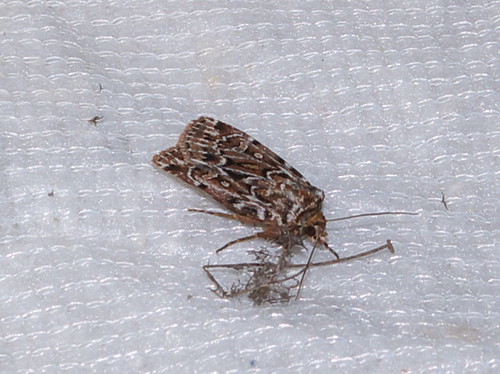
Just a quick one here, after I received some help from Steve Wheatley at Rother Butterfly Conservation on identifying a moth. It's a Copper Underwing:You can read a bit more about it here. The photo is taken of it on my leg, which is where it landed when I inadvertently disturbed it - it had been sleeping in our shelter! Apparently it feeds on oak, so it's not surprising it was around the cant of coppice we've cut, as there are 15 oaks there in less than 0.75 acres.
Mike
Tuesday, 5 August 2008
More moths from the survey
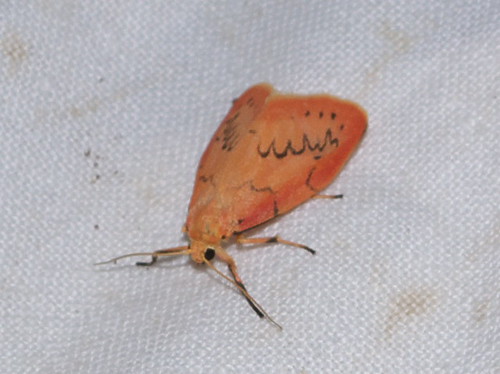
Remember the moth survey from a couple of weeks ago? Well I finally got round to ID'ing more of the pictures I had, so here they are:
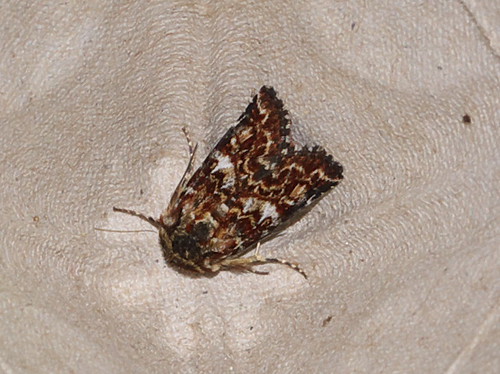
Rosy Footman:True Lover's Knot:
Beautiful Yellow Underwing:
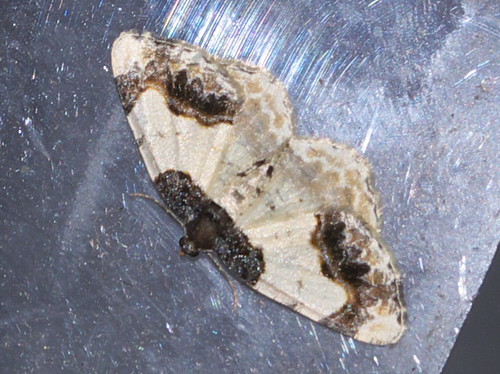
Small Phoenix:
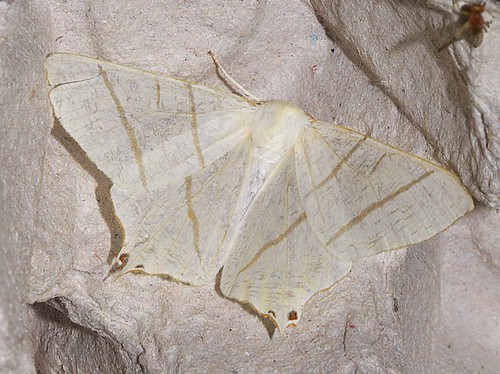
Swallowtail:
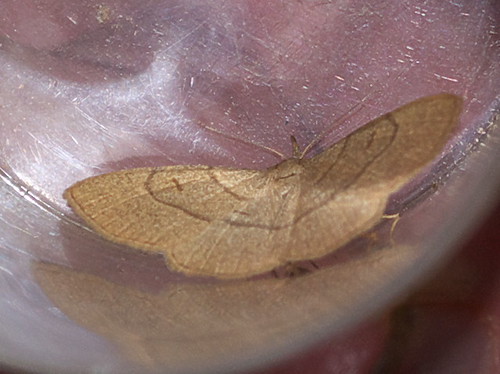
Clay Fan Foot:
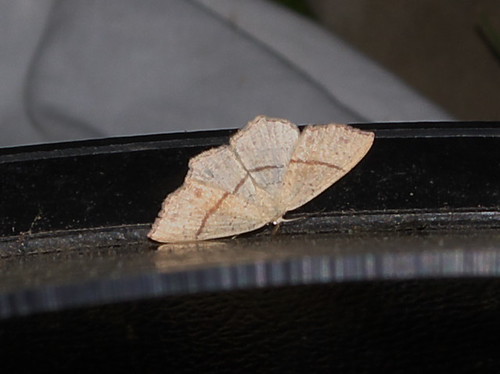
Maiden's Blush:
And if you're into moths, here's the complete list of everything that was seen:
Aleimma loeflingiana, Anania verbascalis, Beautiful Yellow Underwing, Birch Mocha, Bird-cherry Ermine, Black Arches, Buff Arches, Buff Footman, Buff-tip, Burnished Brass, Carsina Quercana, Catoptria falsella, Clay, Clay Fan-foot, Clouded Border, Common Emerald, Common White Wave, Conobathra repandana, Copper Underwing, Coronet, Coxcomb Prominent, Dark arches, Dioryctria abietella, Donacaula forficella, Dot Moth, Double Square-spot, Drinker, Dun-bar, Early Thorn, Elephant Hawk-moth, Endotricha flammealis, Engrailed, Euzophera pinguis, Evergestis pallidata, Festoon, Flame, Flame Shoulder, Gold Triangle, Green Pug, Green silver-lines, Honeysuckle Moth, Iron Prominent, July Highflyer, Knot Grass, Large Emerald, Large Yellow Underwing, Lesser Broad-bordered Yellow Underwing, Lesser Yellow Underwing, Little Emerald, Maiden's Blush, Miller, Minor Shoulder-knot, Mother of Pearl, Mottled Beauty, Nut-tree Tussock, Oak Hook-tip, Oak Nycteoline, Olive Crescent, Orthopygia glaucinalis, Pale Oak Beauty, Pale Prominent, Peach Blosom, Peacock, Pebble Hook-tip, Peppered Moth, Perinephela lancealis, Phoenix, Phycita roborella, Poplar Hawk-moth, Pyrausta Purpuralis, Red Twin-spot, Riband Wave, Rosy Footman, Ruby Tiger, Satin Lutestring, Scallop Shell, Scalloped Hook-tip, Scalloped Oak, Scarce footman, Scarce Silver-lines, Scorched Carpet, Silver Y, Single-dotted Wave, Slender Brindle, Small Angle Shades, Small Fan-footed Wave, Small Magpie, Small Wainscot, Small White Wave, Smoky Wainscot, Snout, Spectacle, Straw Dot, Swallowtail, Triangle, True Lover's Knot, Udea Olivalis, Udea prunalis, Waved Black, White-spotted Pug, Willow Beauty, Wormwood Pug, Yellow-tail
UPDATE: you can see the results of our 2009 moth survey here.
Mike
Saturday, 26 July 2008
Moth survey results - part 1
OK, here's the first set of results from the moth survey. But I'll start with a picture of one of the best looking moths, called Buff Arches:The key results from our wood and the wayleave were:
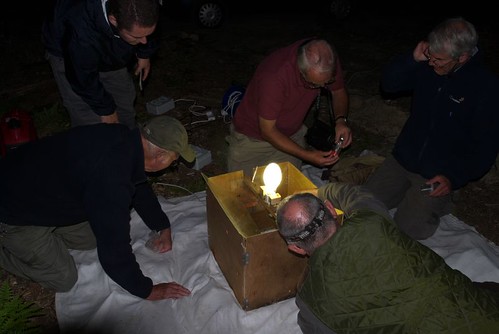
Here's how it was done. Each of the six traps used a white sheet, a mercury vapour lamp, and a box full of old egg boxes and with a sloping glass lid to allow moths in but make it hard for them to get out. There was a petrol-fuelled generator used for each trap, or sometimes one between two where they were near each other:Here's a couple in action:
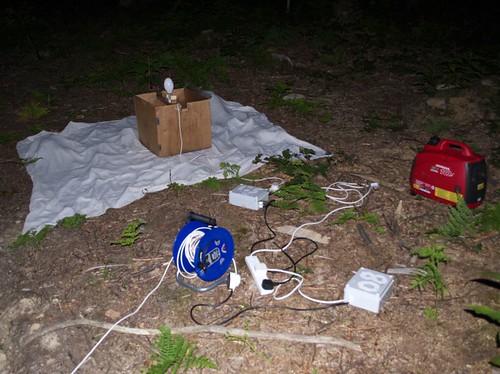
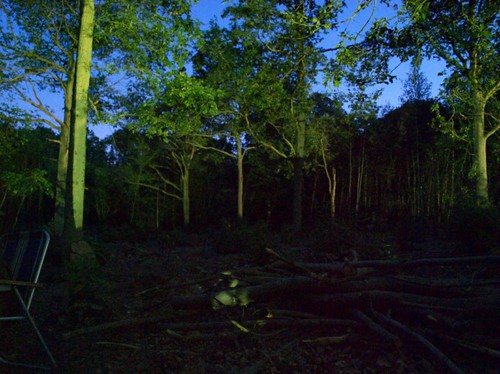
They gave the wood an eerie glow - here's a long exposure photo:
And here's the Moth Men in action - they're amazing, they could recognise dozens of species instantly, and as each trap was opened the action was surprisingly fast-paced, I could barely keep up taking photos, and Steve Wheatley was scribbling madly in his notebook to keep track of everything.
I don't think the survey would work without experts like these - there simply isn't time to be looking stuff up in ID books, the moths would have flow away by the time you'd figured out which the first one was!
Anyway, here's some more pictures of the ones I have names for, the rest will follow when I know what they are...
Ruby TigerGold Triangle
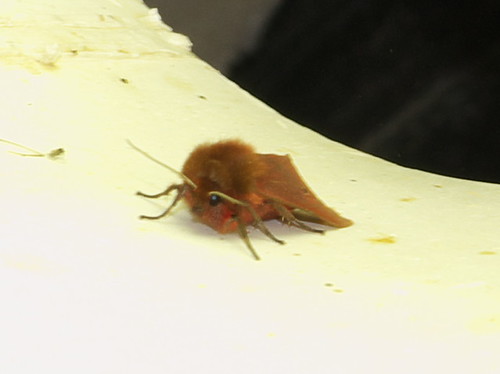
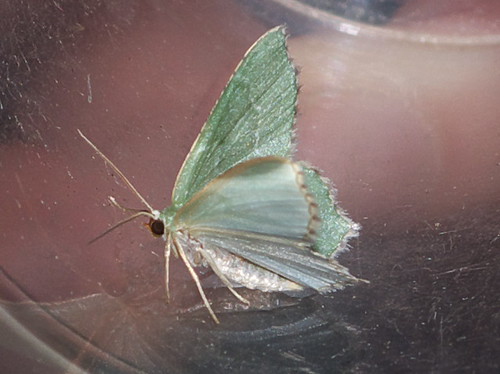
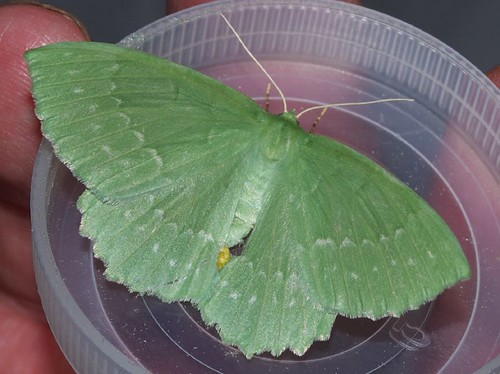
Small Emerald
Large Emerald
Peppered Moth
Scorched Carpet (yes, that really is its name!)
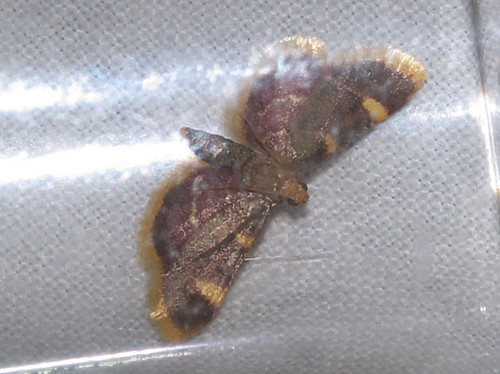
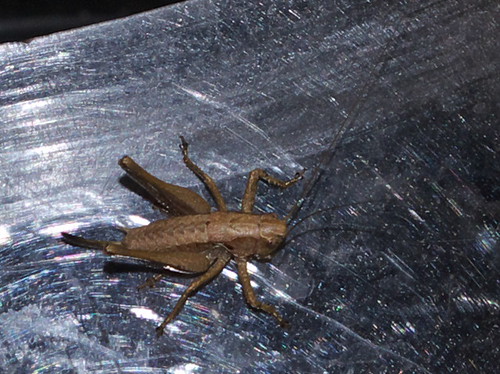
And then several other things attracted by the light:
UPDATE: you can see the results of our 2009 moth survey here.
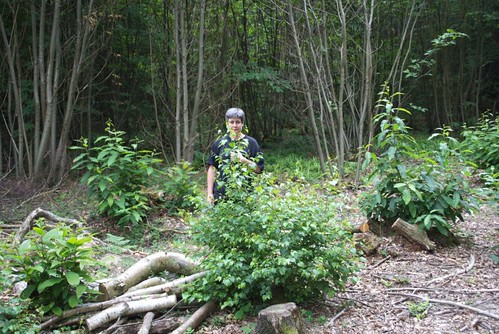
In other news, we went up to the wood again this morning and did a bit more to the new shelter - the basic frame should be ready to put up tomorrow, unless we decide to go down to the beach instead! The wood was looking particularly nice on a sunny day like today:I thought it was time I look some pictures of the coppice regrowth with Tracy standing next to them for scale - it's amazing how fast this stuff grows! Here's a chestnut and then a birch (which was cut a couple of months later on):
We also saw several butterflies around the wood, though they're looking a bit battered! There were two Speckled Woods fluttering around where we had coppiced by the pond, here's one of them:
And White Admirals again, back in their favourite place in the cant we cut last winter:
That's all for now....
Mike