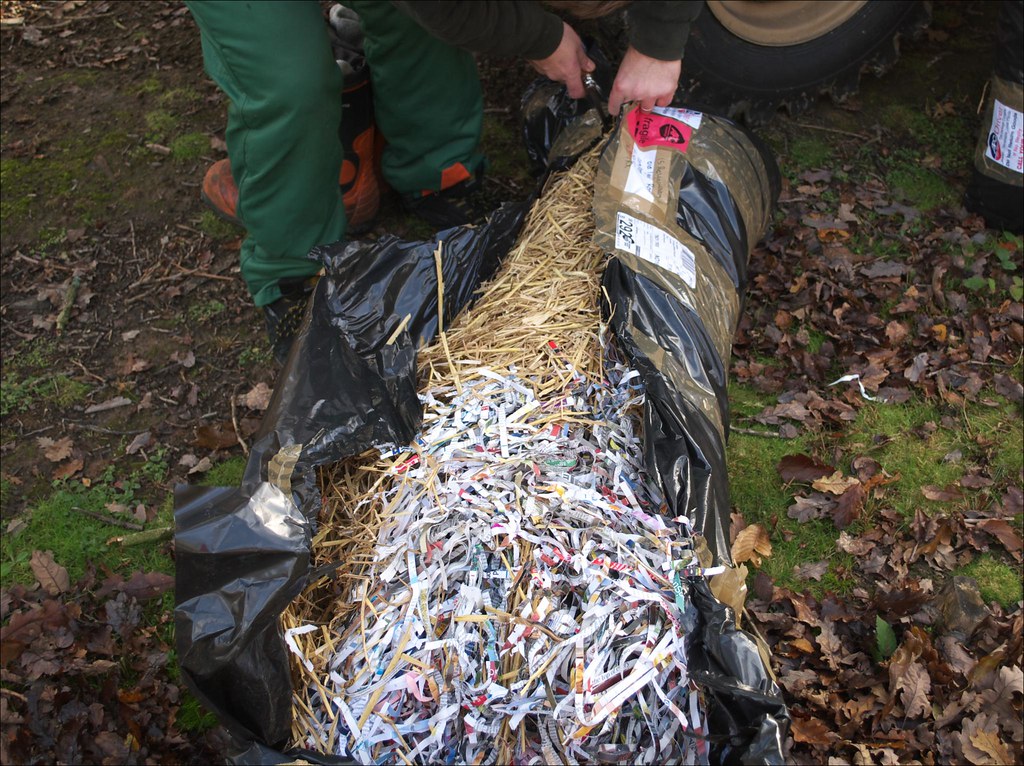
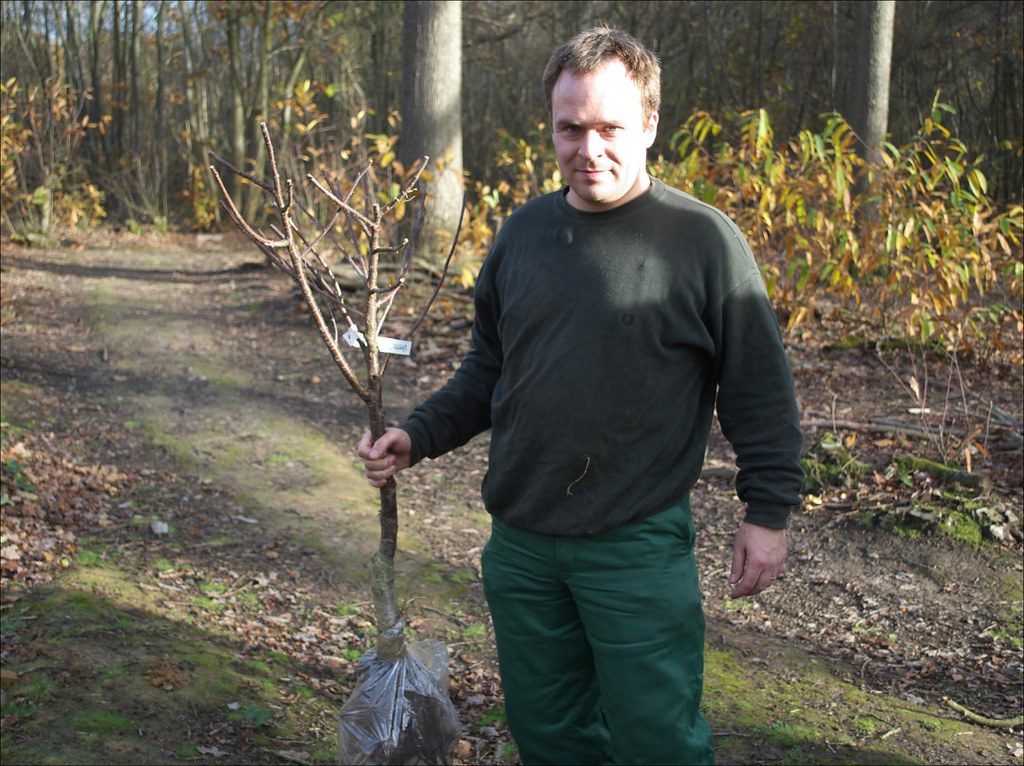
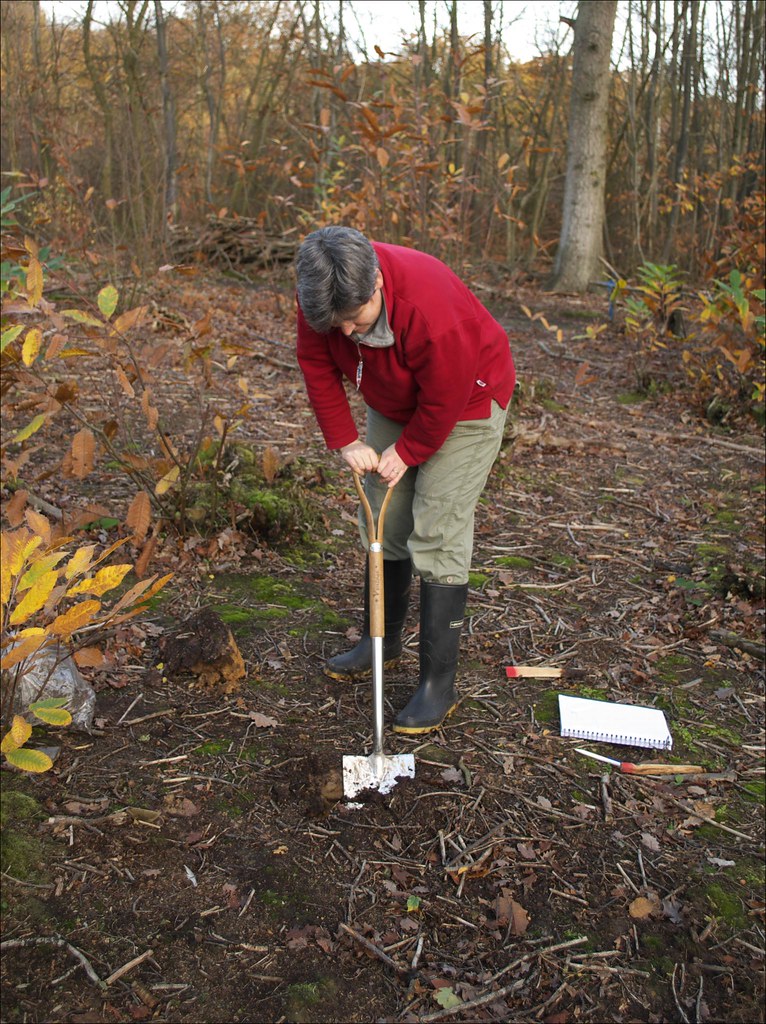
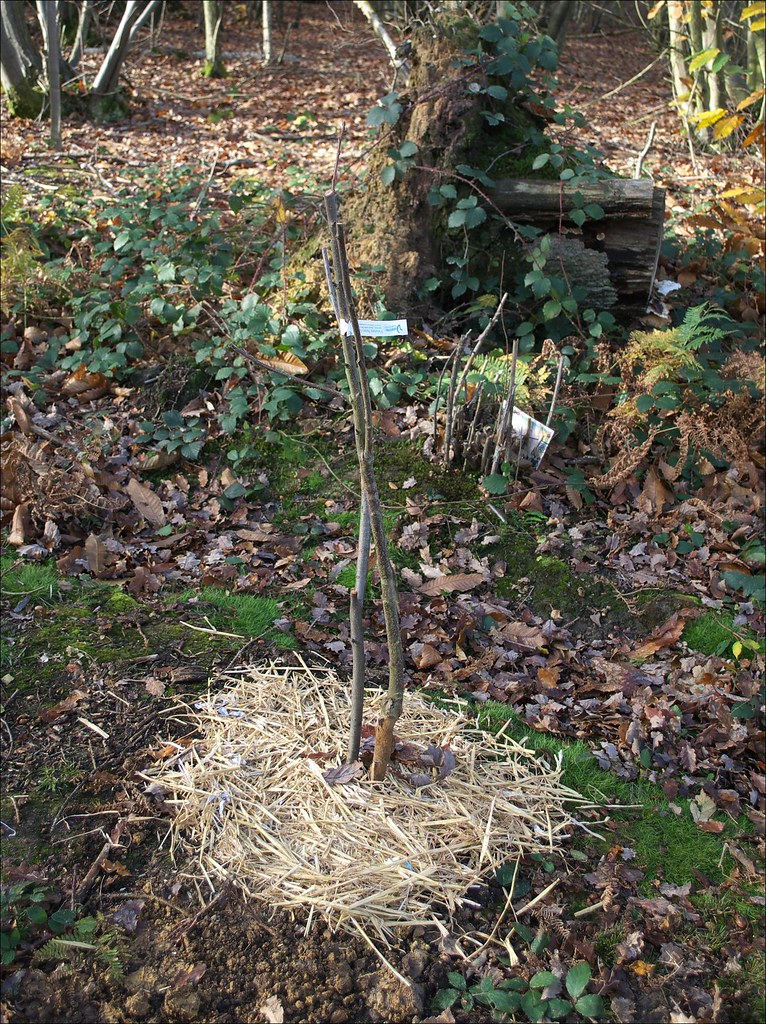
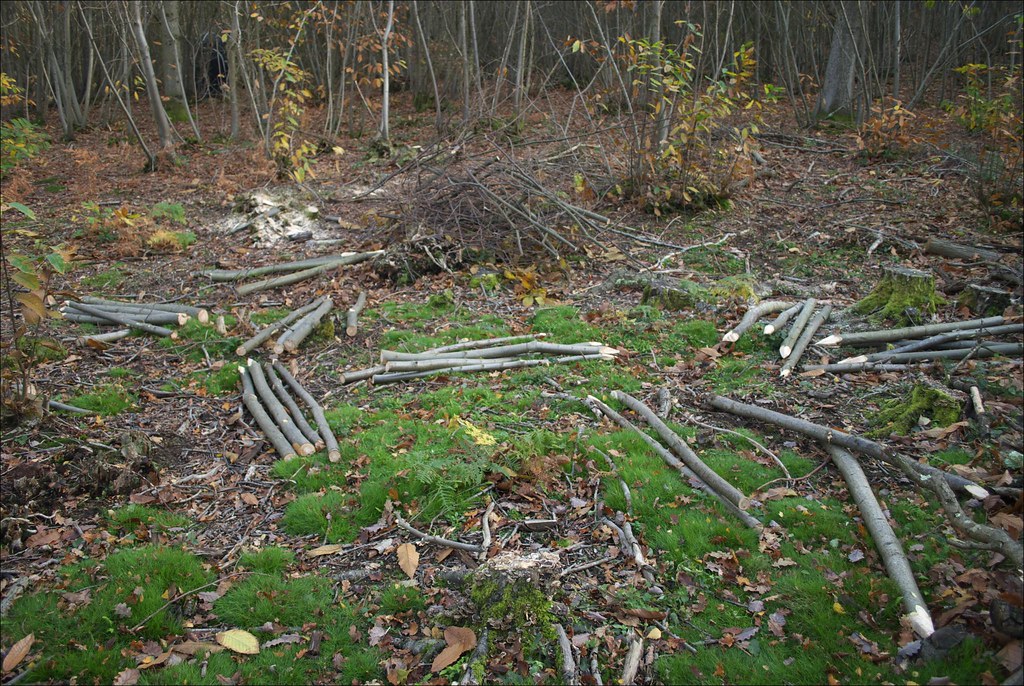
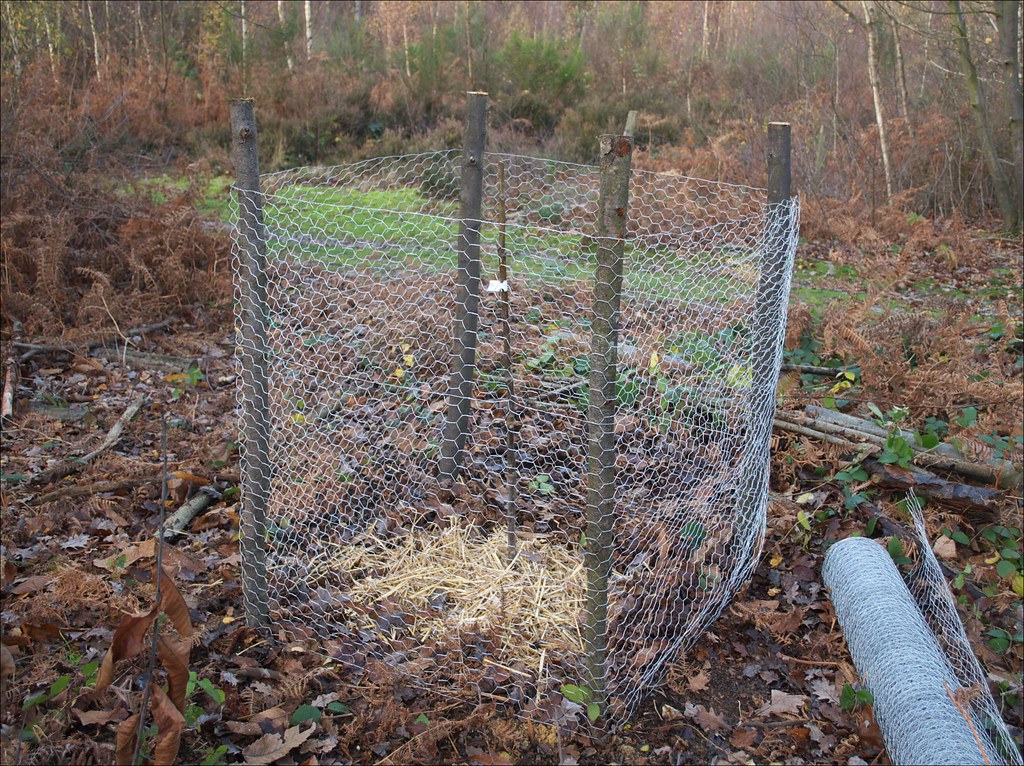
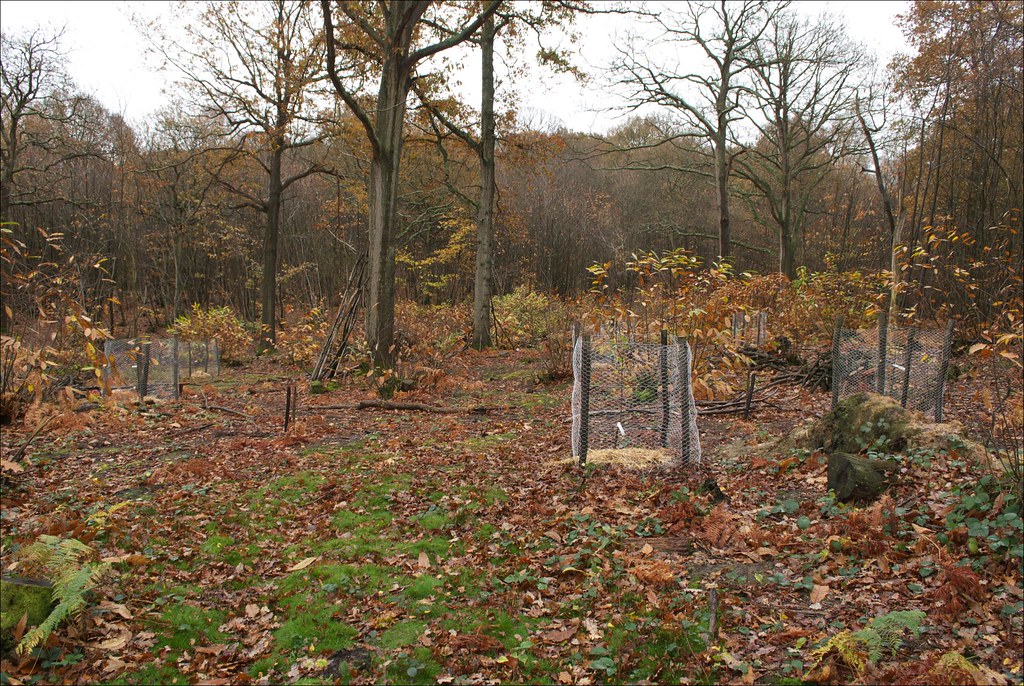
For a long time now we've been wanting to increase the diversity of trees in the wood, and we've finally got round to it. This week we planted 15 assorted native fruit and nut trees (sorry, no chocolate trees to go with them...), scattered through the area we coppiced two years ago. Here's the packages as they arrived, and the wire mesh fence we bought to protect them from marauding rabbits and deer: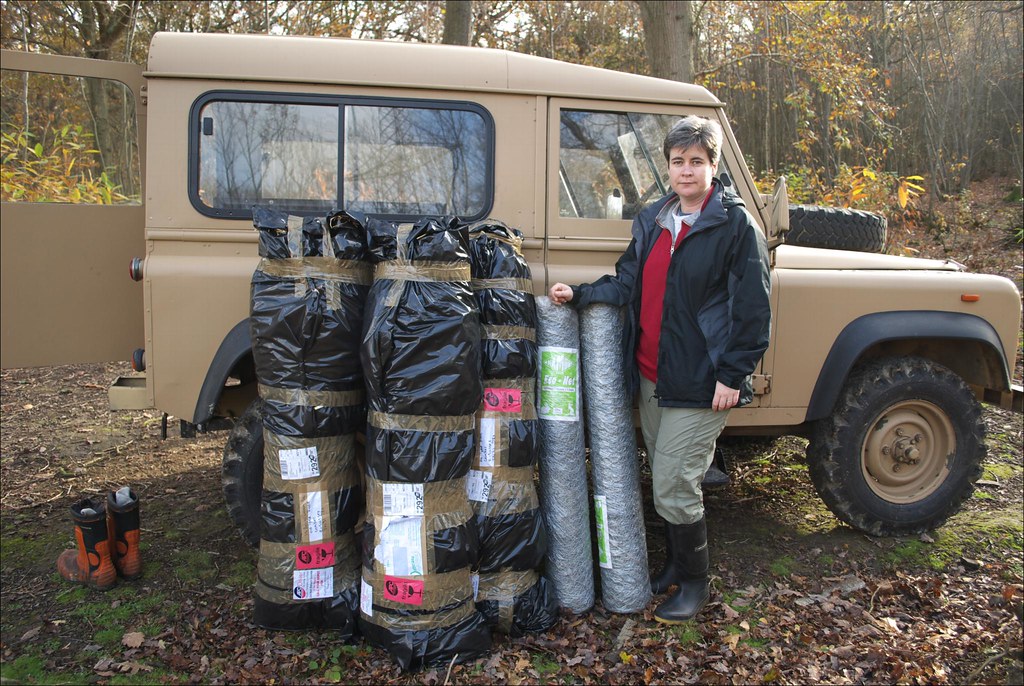
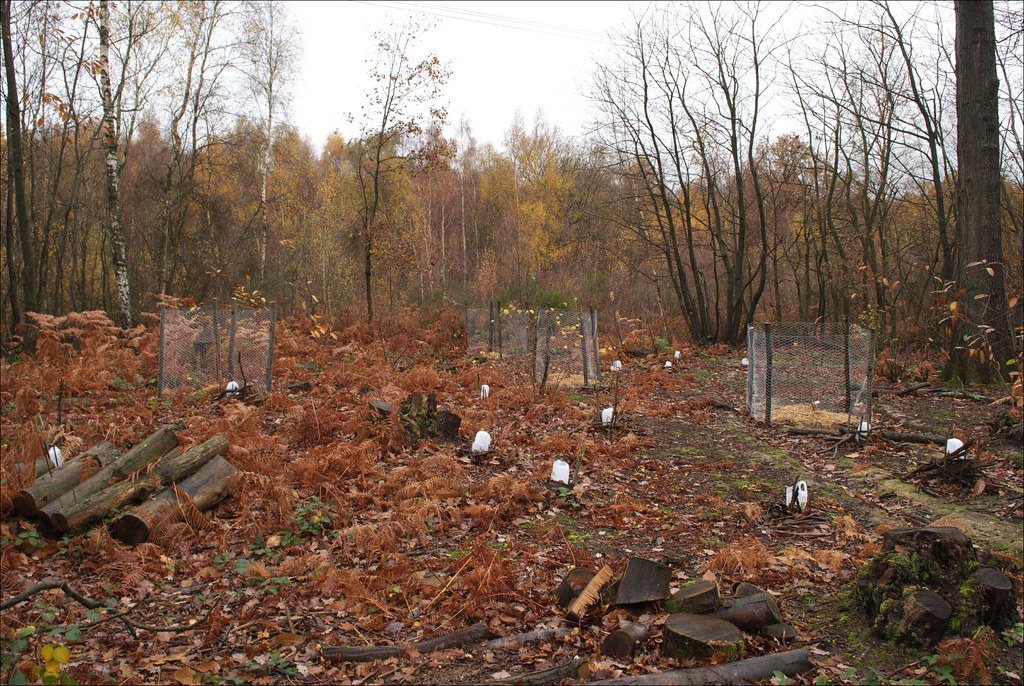
Autumn is clearly well under way when you look at the trees: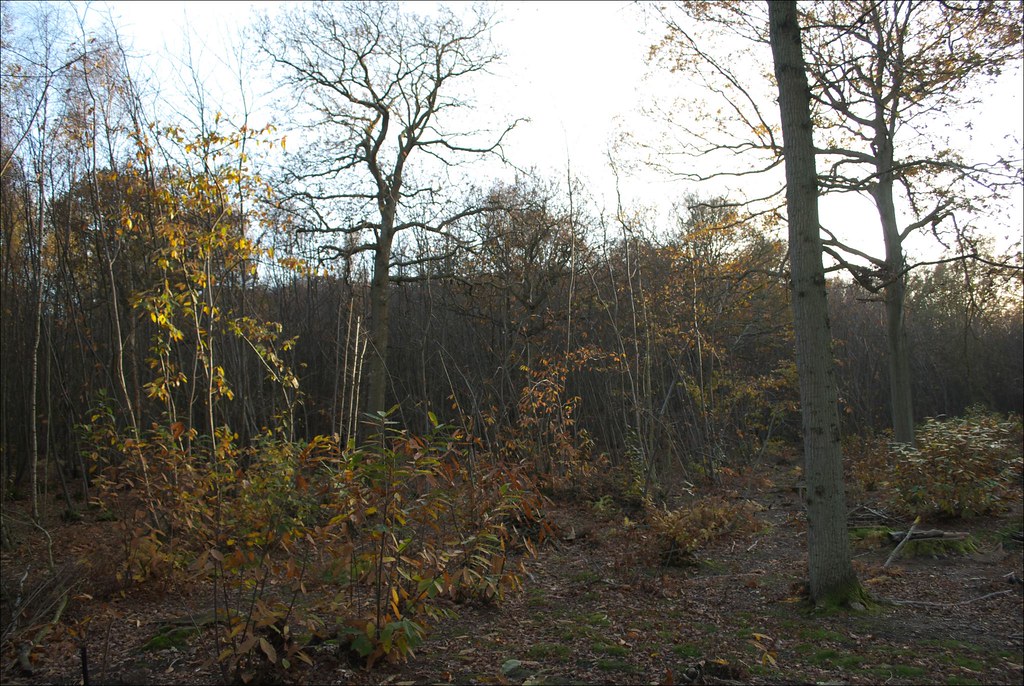
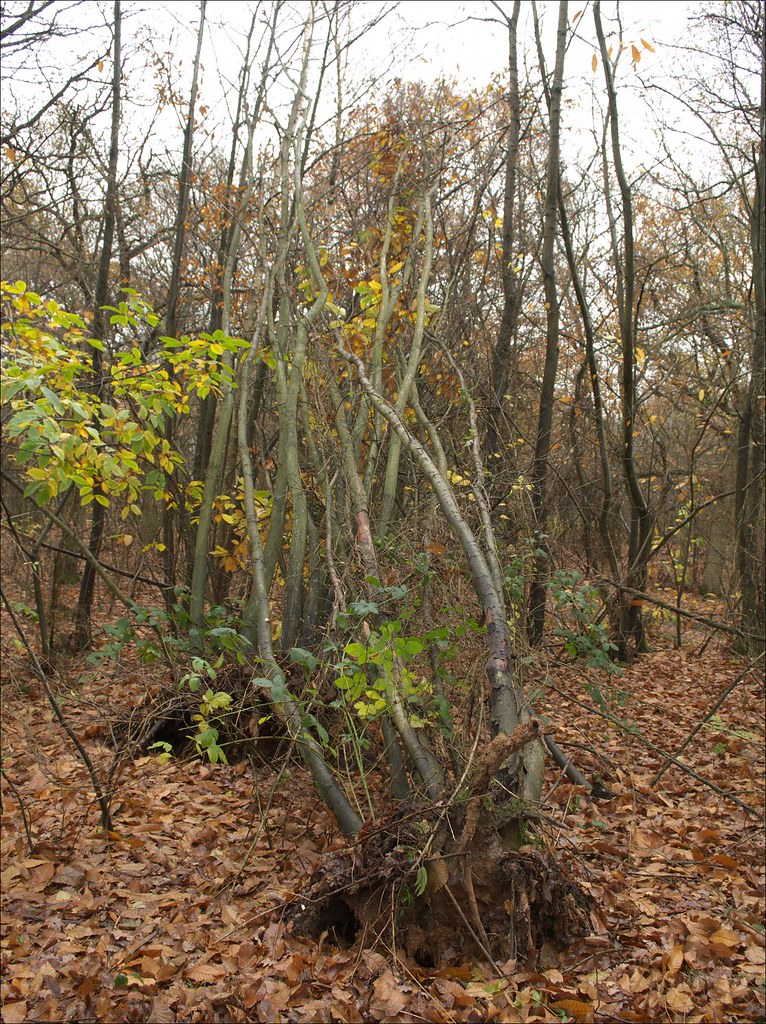
Despite the heavy rain over the past few weeks, the seasonal streams in the wood are still not flowing - this time last year there was a waterfall going into the culvert under our main ride! I guess the ground is so dry from the lack of rain this summer that it is still acting like a sponge...
I'm back to one day a week for my desk job now, and my Dad's coming down to help for a few days next week, so we should be getting a lot done - I just hope the weather isn't too bad!
Mike
Saturday, 21 November 2009
Tree planting


Friday, 14 August 2009
And now some deer videoed on our trail camera!
We're really pleased with this - we only put the camera in this location, actually quite close to our little camp in the woods, yesterday! At about 8pm last night these deer wandered through! You can see that the first is a male, the second a female, and the third another male, but with an antler missing - presumably lost in a fight. The fourth looks smaller, perhaps a younger one?
We've already moved the camera back to where we got the boar earlier in the week, but lower to the ground. I think it was pure chance that we got deer at the spot near our camp so quickly, but we'll try the camera again there at some point.
UPDATE: we're not sure now what type of deer these are - any more opinions welcome!
UPDATE 2: The consensus is that they are Fallow deer, thanks to people on the Wild About Britain forums.
Mike
Tuesday, 30 December 2008
'Rewilding'
'Rewilding' is about trying to return some of our countryside to the wilderness state it might have been in hundreds or thousands of years ago. There's an article in the Times about it:
Welcome to rewilding, a movement that is radicalising conservation biology, turning what had been a scientific backwater into one of its most controversial areas. What the rewilders want is nothing less than the reversal of thousands of years of domestication, returning vast tracts of countryside to the way they looked thousands of years ago. They believe the best way to achieve this is by bringing back the biggest and fiercest animals of all – the elk, wolves, lynx and even bears that roamed Britain 10,000 years ago at the end of the Pleistocene era.
It sounds extreme but some of Britain’s most respected wildlife and conservation organisations, including the National Trust, are buying into the idea.
This week the People’s Trust for Endangered Species, which already supports the reintroduction of beaver to Scotland, will suggest northern Britain could support about 450 lynx.
There's a related story on the BBC website about reintroducing lynx, one of the aims being to control the rapidly expanding deer population:
Until recently, the "big cat" was thought to have died out 4000 years ago, but new research shows it survived into medieval times and died out as a result of persecution by humans.
Professor Macdonald's report, co-written by his Wildlife Conservation Research Unit colleague, Dr Dawn Burnham, states: "The recently identified human involvement in its demise strengthens the case for reintroducing lynx in Britain.
"Lynx would most likely hunt roe, sika and juvenile red deer, supplementing their diet with hares and foxes."
The report highlights the growing population of "free-ranging" deer species in Britain as a major cause of damage to protected woodland.
Mike
Click here to read the rest of this post.


