Mike and I went along to the Sussex Police dog trials last weekend. It was superb! The dogs are amazing and so well trained. I guess the handlers are well trained too.
This is the beautiful Victor.
The part we enjoyed most (and I think the dogs did too!) Catch the Baddy. So funny hearing the police shout, 'Criminal, put the gun down!' I think this one is Apollo.
The dog wins!
Happy dog!
They did this jump with no run up. Brilliant!
...and Alvin ( I think!)
What a fab look of determination on his face!
Eagerly awaiting instructions...
I will not let go!
Lovely long jump.
Proud handler and dog, well done!
Here are some videos of the 'catch the baddy' game!
Showing posts with label training. Show all posts
Showing posts with label training. Show all posts
Monday, 12 March 2012
Sussex Police dog trials 2012


Saturday, 26 November 2011
Lots of tree felling videos! (CS32 chainsaw course)
Well, I've been busy editing videos from the CS32 chainsaw course I was on this week, so put them full-screen, turn up the sound and sit back...
First, felling an oak tree that then gets hung up, and how it is taken down by severing some of the hinge:
Here's the slow-motion reply of the bit where several trees knock each other over - this is why everyone's meant to be two tree lengths away...
Using the Tirfor winch to assist in felling of an oak:
Felling a forward leaning oak, using retaining wood to hold it until the last moment:
Using a winch to roll a hung up tree so it falls safely:
All the training was delivered by David Rossney of Esus Forestry Training.
Mike
Click here to read the rest of this post.
Wednesday, 3 December 2008
Well-trained cockatiels
This has taken a few weeks, but we finally have our cockatiels trained to go to bed! They're out of the cage all day, but sleep in it at night. We used to have a complicated procedure of getting them into a small cage and through the front door of the big cage, but look how good they are now!
Weather permitting we'll be working in the wood tomorrow...
Mike
Saturday, 18 October 2008
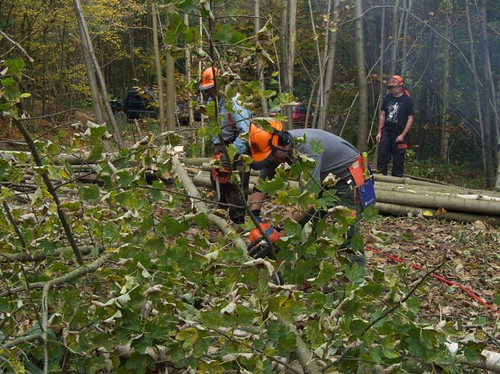
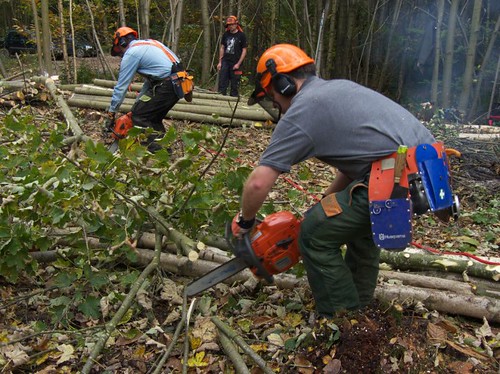
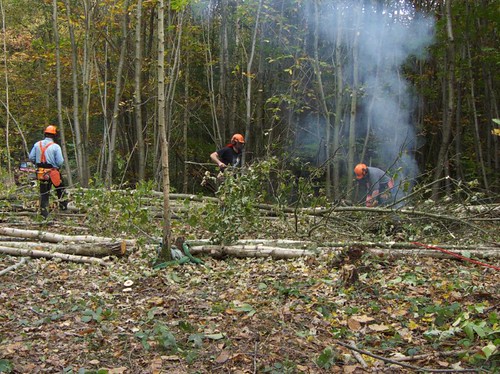
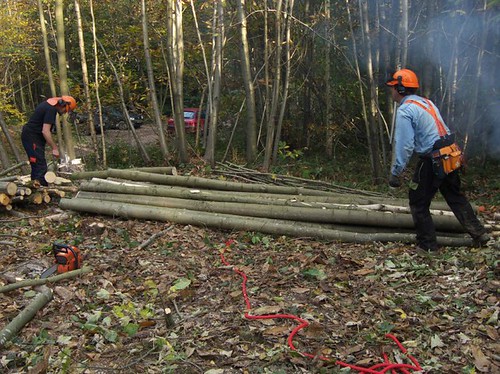
Coppice Harvesting course - Day 5
This was the final day, and I've got some videos of tree felling with ropes to show you. But first, I couldn't resist taking a couple of pictures of sunrise behind the Romney Marsh wind farm out of our window before we set off:
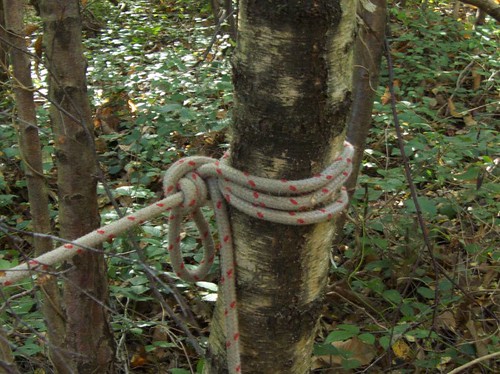
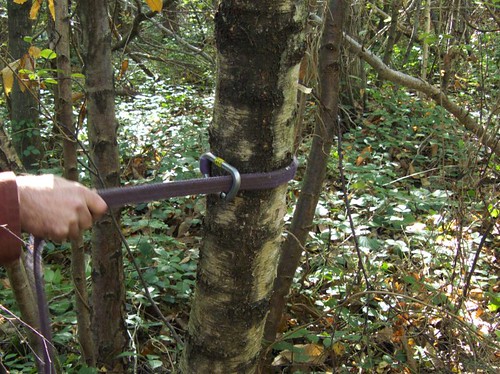
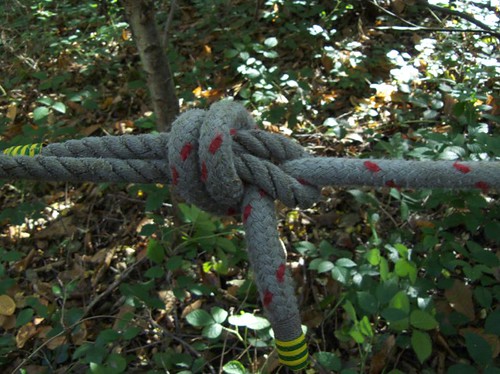
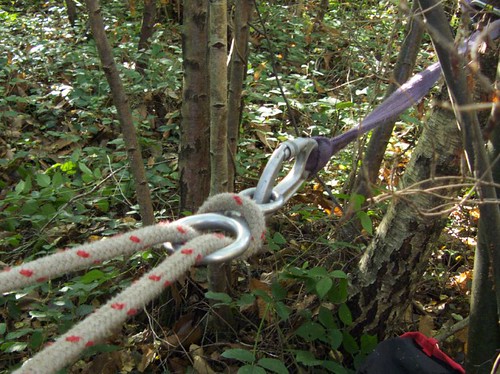
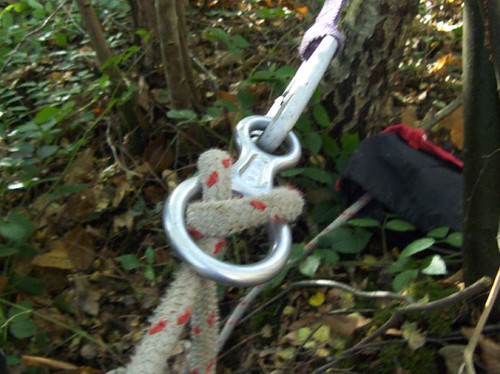
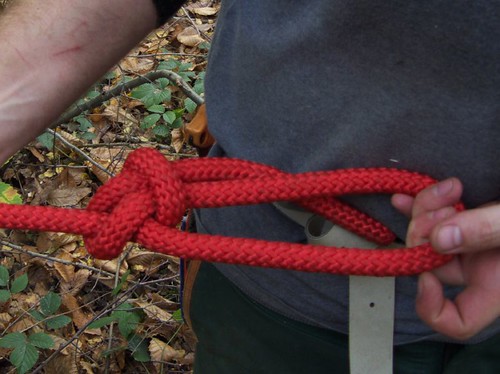
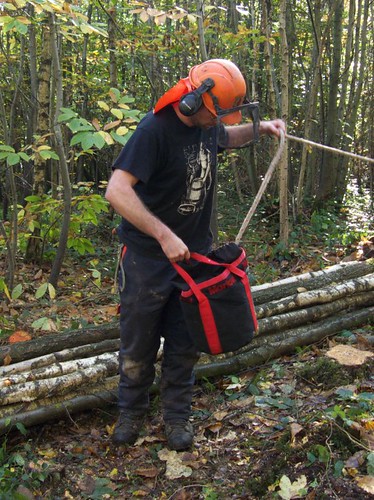
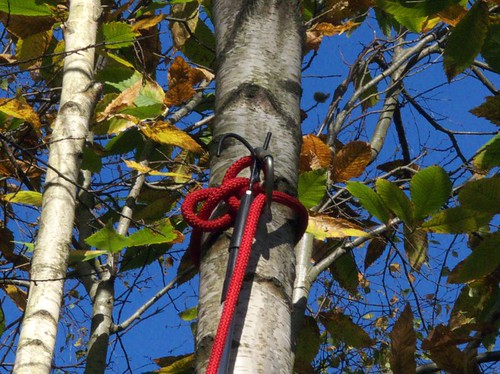
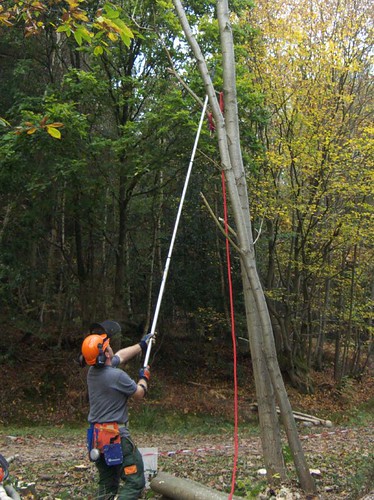

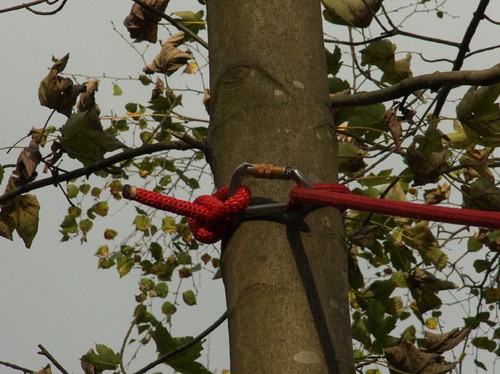
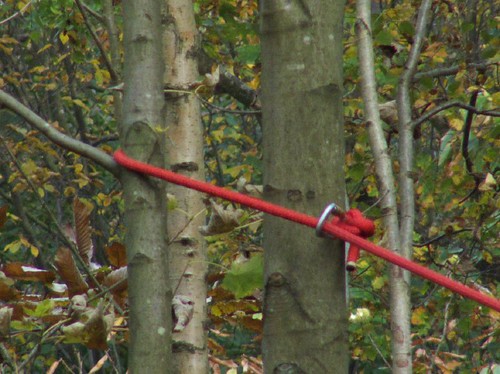
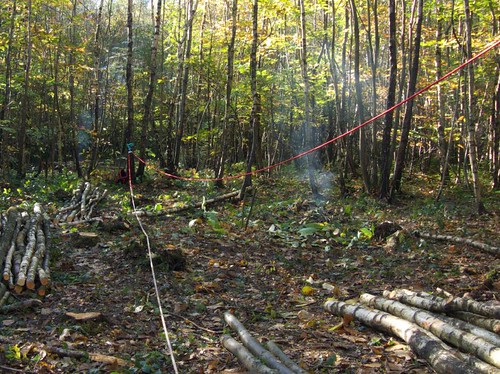
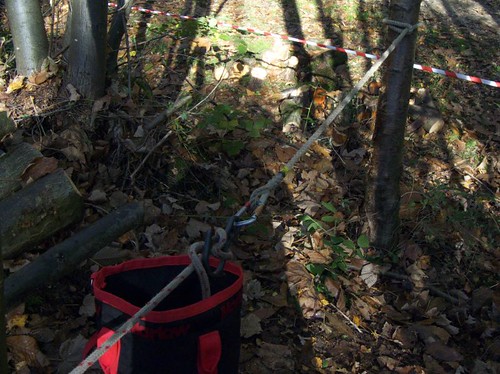
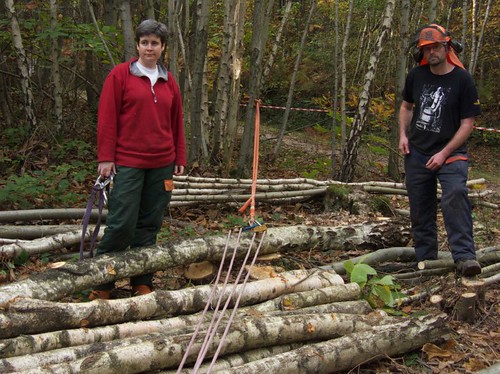
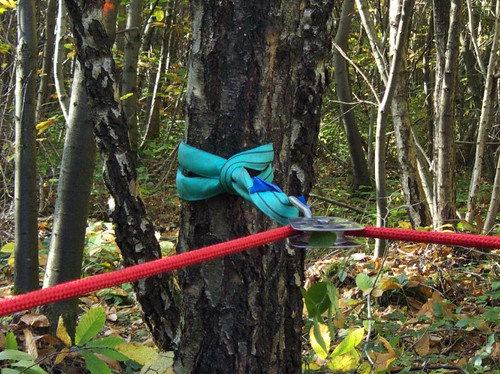
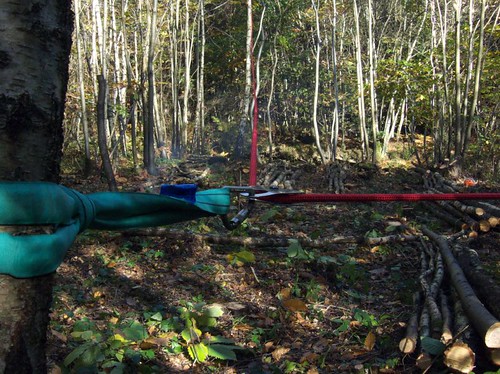
Here's Paul felling a birch, using a single rope round a pulley and back to near the tree. Paul's felling while Tracy's on the rope:
Here's Paul again, this time felling a pair of sycamore stems together, and the rope system includes the 5:1 pulley set-up:
And finally, this is me felling a pair of chestnut stems. The first one sat back on my saw, and because two stems were roped together, it wasn't possible to pull the rope to free it. Paul came to the rescue with a pole.
Tracy felled an awkward sycamore as well, but I've not got a video of that - sorry!
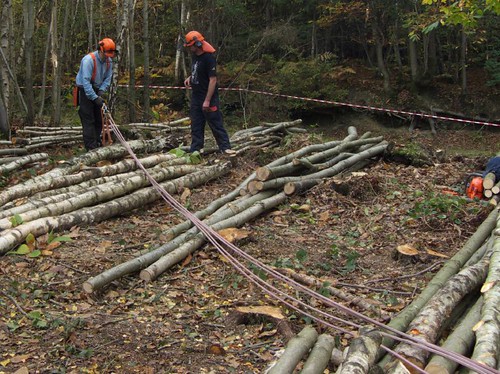
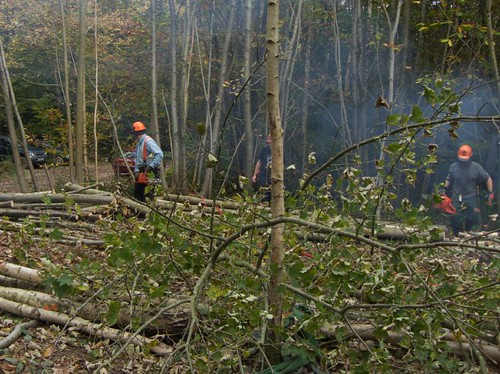
As we were working in a team for these trees, clearing up was pretty rapid:

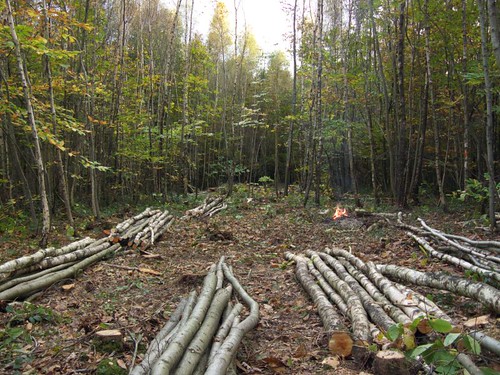
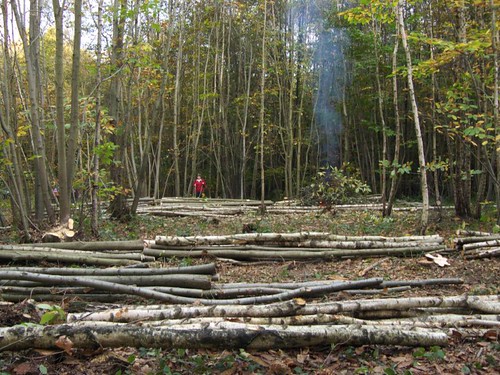
All we need to do now is put it into practice in our own wood........
Mike
If you missed the other posts, Day 1 is here, Day 2 is here, Day 3 is here and Day 4 is here.



Subscribe to:
Posts (Atom)


