Showing posts with label speckled wood. Show all posts

Sunday, 14 August 2016

Repairing a culvert, butterfly spotting and a slow worm

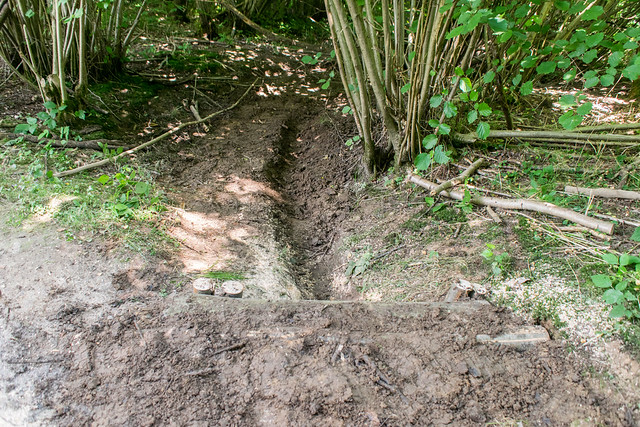
The culvert we built 5 years ago in Sweep Wood has been in need of some maintenance... The downstream end had silted up, and the wooden 'kerb' had shifted:
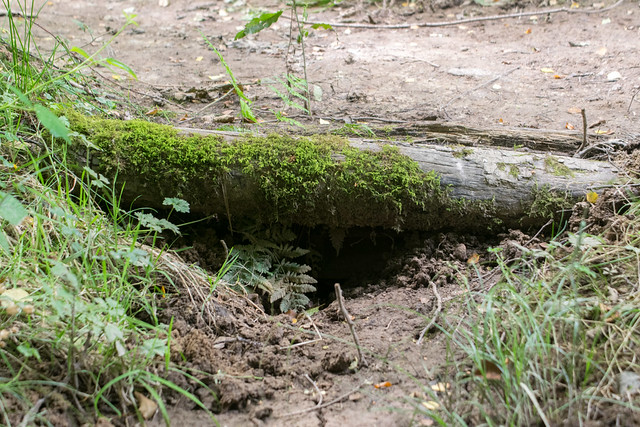
DSC_5007

The upstream end was a bit clogged up with debris too:
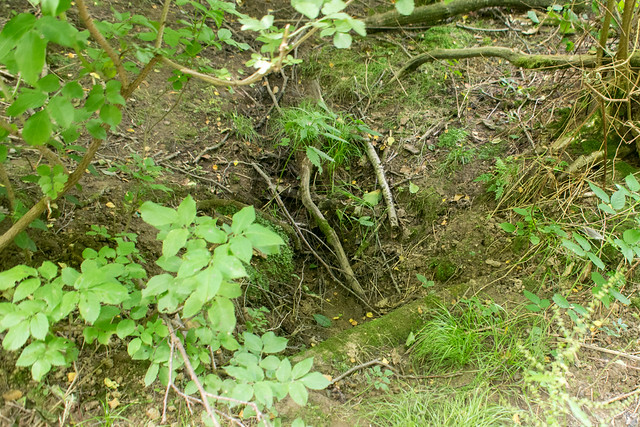
DSC_5008

First step was to dig out all that debris, so I could get to the pipe to clear silt out of it:
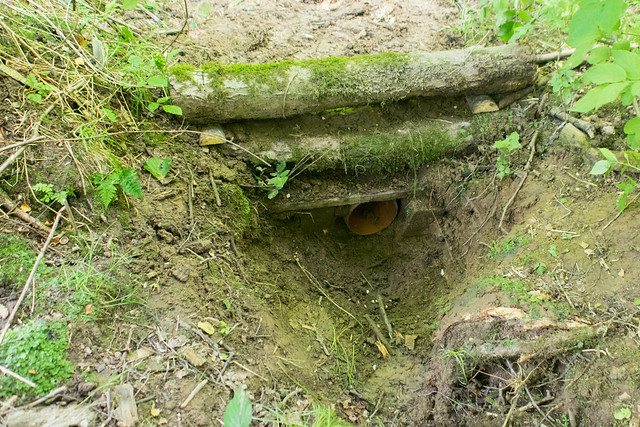
DSC_5010

Same again at the downstream end, which took a while due to the quantity of silt:
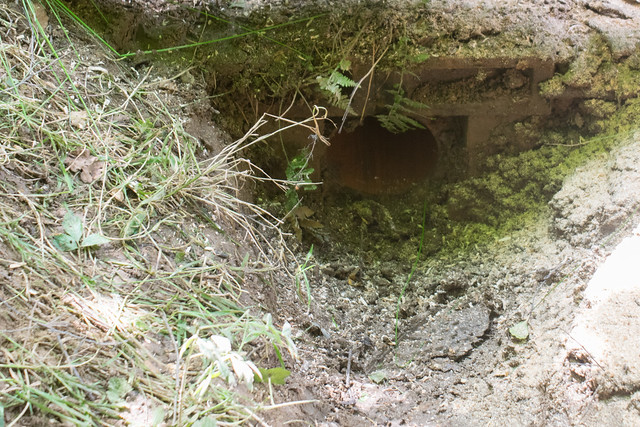
DSC_5012

With that done I cut a new log to use as a 'kerb', and also made some stakes, all produced from wood we cut last winter just a short walk from the culvert:
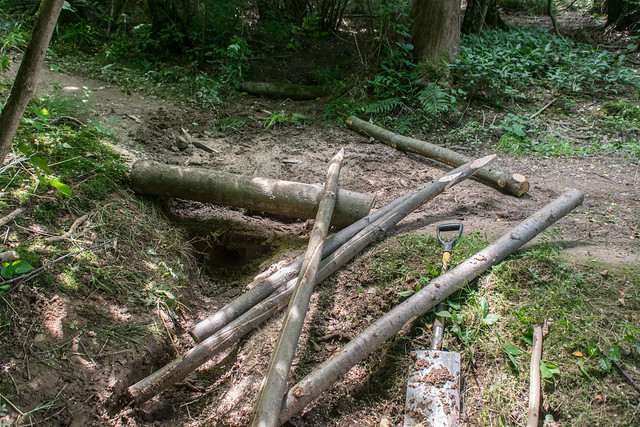
DSC_5013

I drove the stakes in with a post driver, cut them off, then re-pointed what was left over to make a extra stakes to drive in, Hopefully this will hold the new kerb in place for some years:
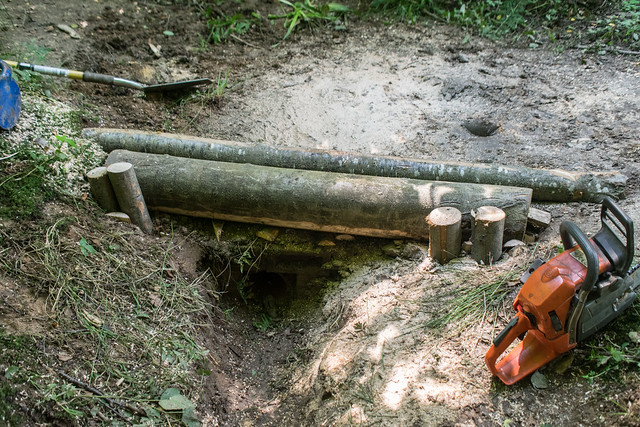
DSC_5014

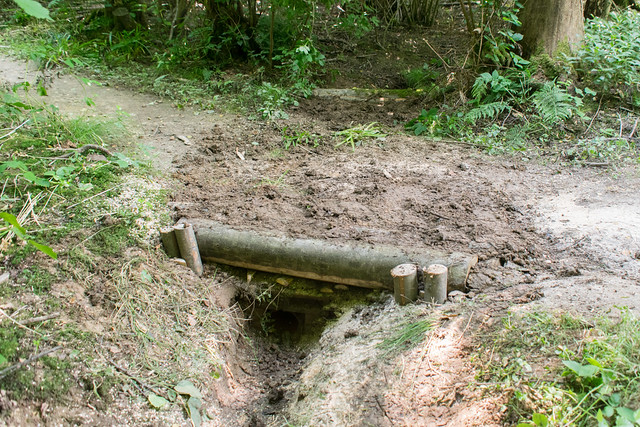
Here's the finished result, which will be much easier for people to walk over, and for me to drive over when the time next comes:
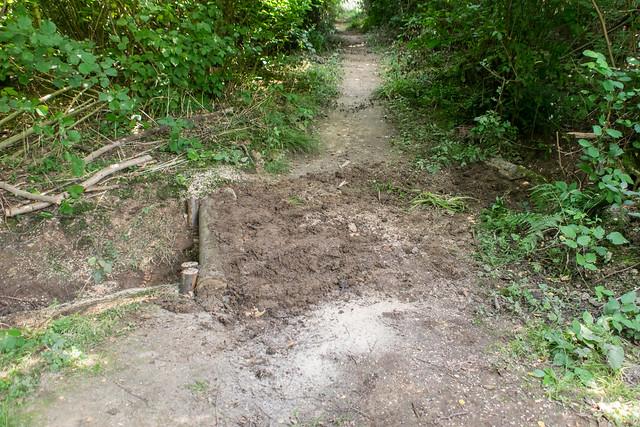
DSC_5017

DSC_5018

DSC_5019

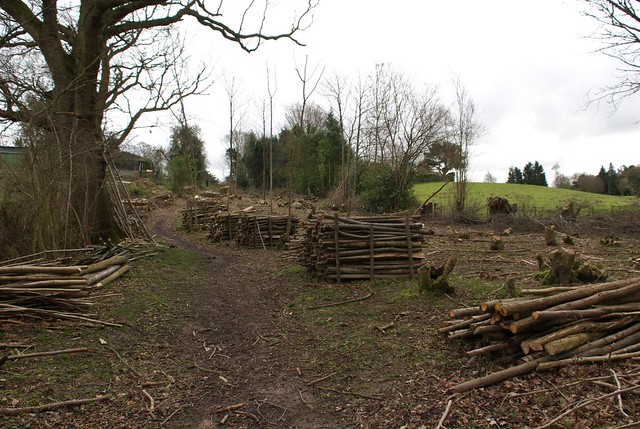
Just along the path from there is the area we coppiced last winter, which is growing back nicely now:
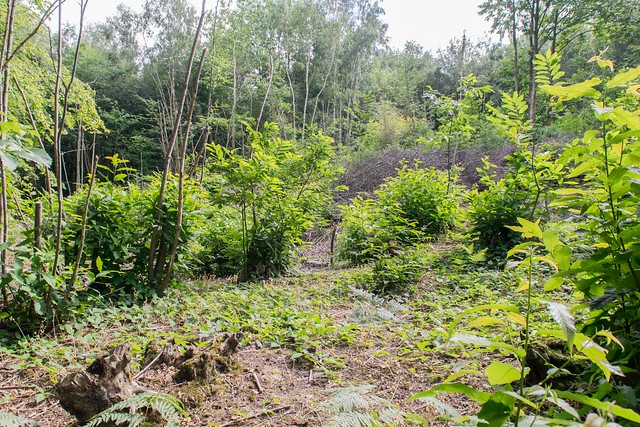
DSC_5044

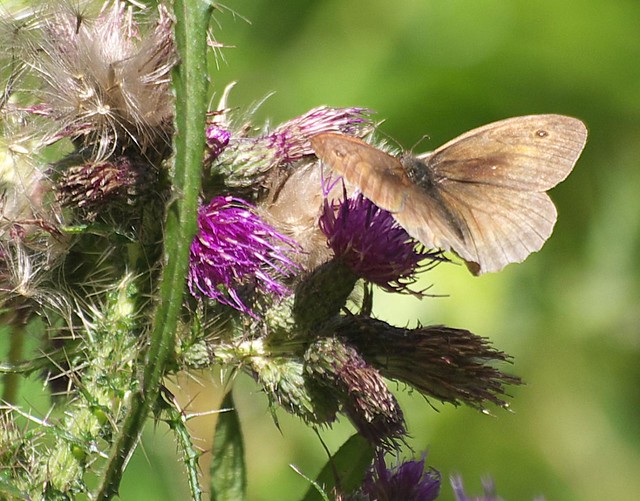
What's really striking is how many butterflies are there, when there would have been none a year ago. Here's a ragged looking Meadow Brown:
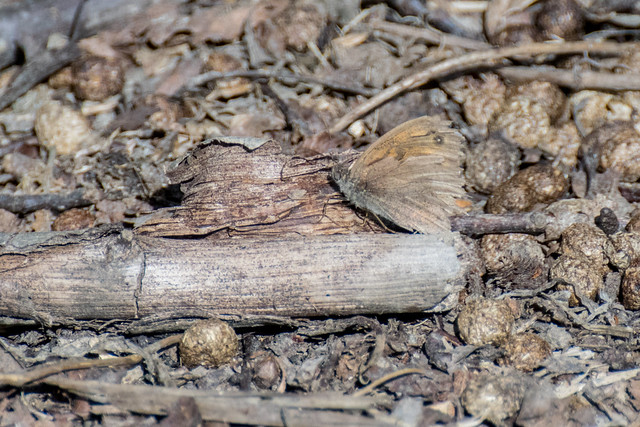
DSC_5054

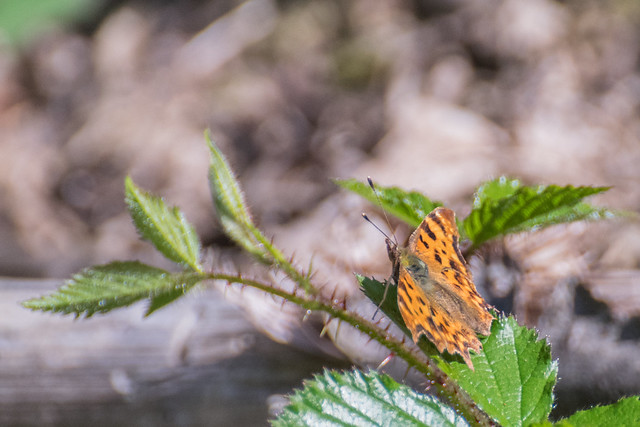
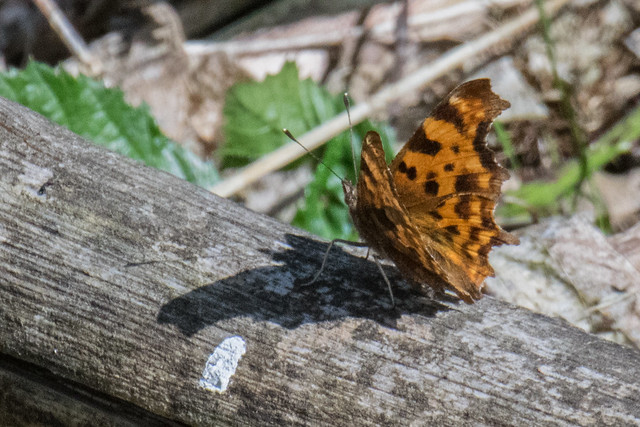
A couple of shots of a Comma:
DSC_5058

DSC_5062

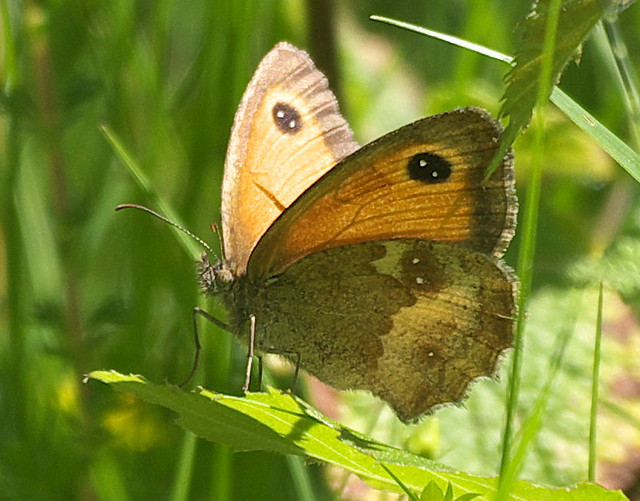
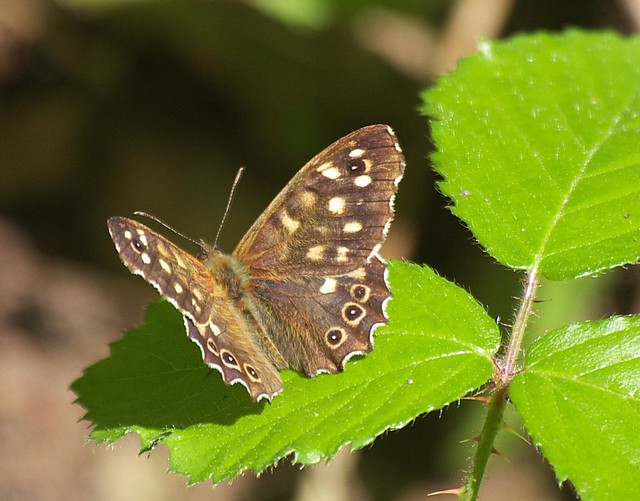
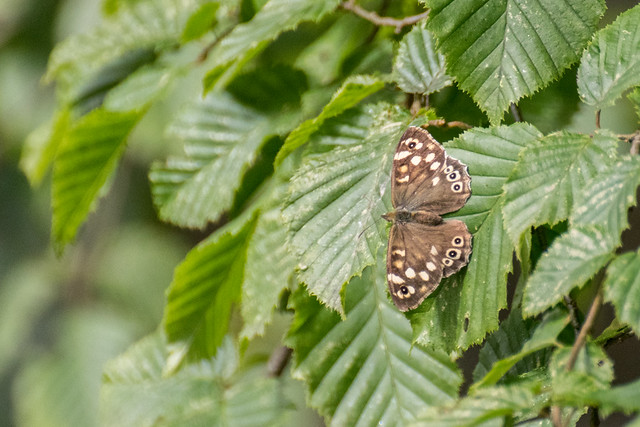
And a Speckled Wood. In addition to these I also saw a Red Admiral, a Peacock and a Large White, but they didn't sit still for photos.
DSC_5063

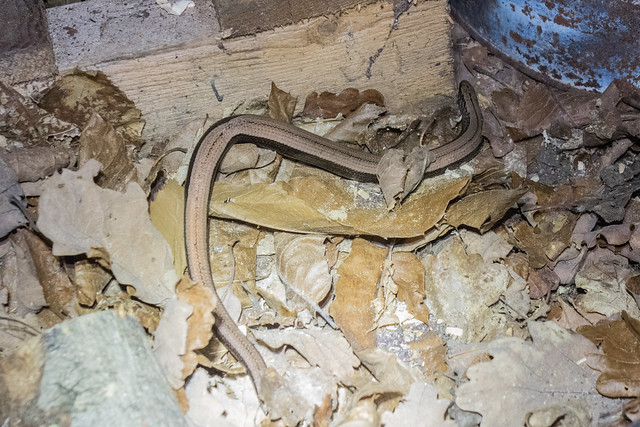
Back at the camp in Chestnut Coppice I was surprised to see a slow worm in the wood store when I went in there to get some logs after dark, but nice to know we've provided a dry home for it. I've also disturbed a wren sleeping in there at night as well!
DSC_5109

That's all for now...

Mike

Click here to read the rest of this post.

Saturday, 4 August 2012

Butterflies at last!

The wet summer has not been great for the UK's butterflies, so it was pleasing to see so many this afternoon, especially as we had friends who'd been helped in coppicing in Sweep Wood visiting to see the wildlife benefits of their work! Some of them lived nearby, others were from Rother Guardians.

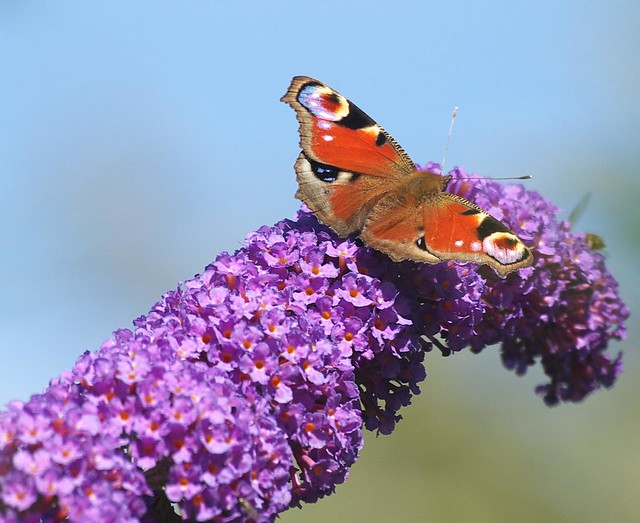
Here's one of the old favourites, a Peacock:

DSC_4273 Peacock butterfly

The Buddleja it's settled on has self-seeded at the top of Sweep Wood - we have quite a few garden escapees up there, and while I wouldn't have planted this one in a woodland, as it's arrived by itself I'm quite happy to leave it - and the butterflies are delighted I'm sure!

Just as a reminder, Sweep Wood used to look like this:
P1030919

Then we got busy coppicing and it looked like this:
DSC_6327

And just a year or two later it looks like this:
DSC_4012

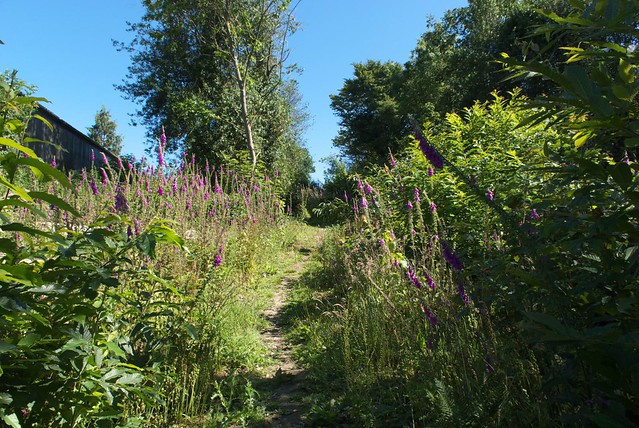
DSC_8137 foxgloves

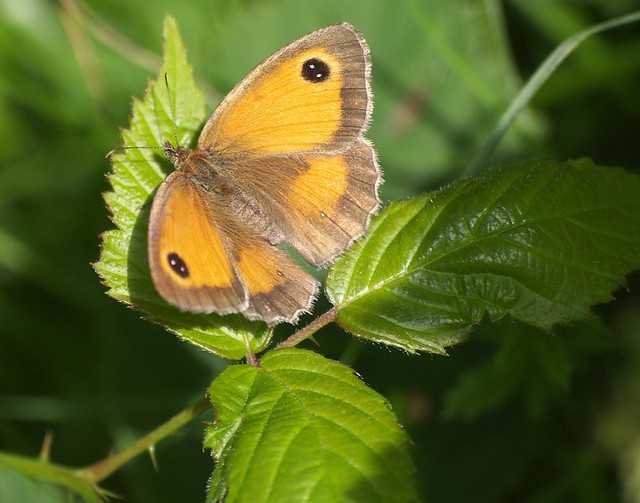
The hill in Sweep wood had lots of other butterflies present, especially Meadow Browns and Gatekeepers:
DSC_4236 Meadow Brown

DSC_4203 Gatekeeper

DSC_4196 Gatekeeper

There were also various White butterflies, but I didn't get photos of them. Lots of dragonflies too - remember none of these insects were to be seen here before we did the coppicing:
DSC_4252 dragonfly

DSC_4260 dragonfly

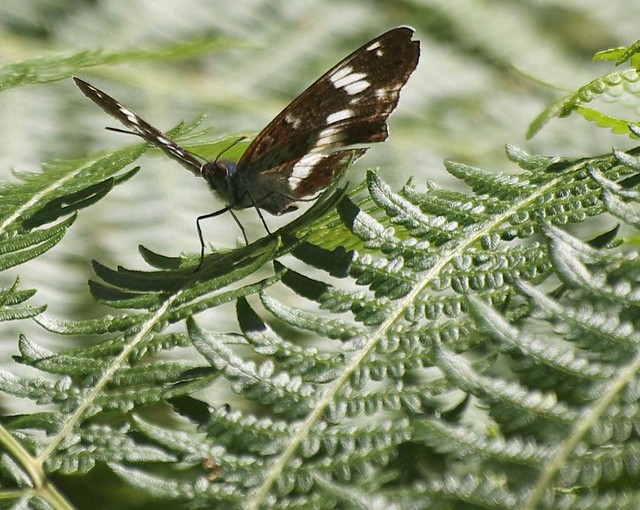
Heading further into the woods we saw several Speckled Wood butterflies:
DSC_4233 Speckled Wood

White Admirals:
DSC_4190 White Admiral

DSC_4187 White Admiral

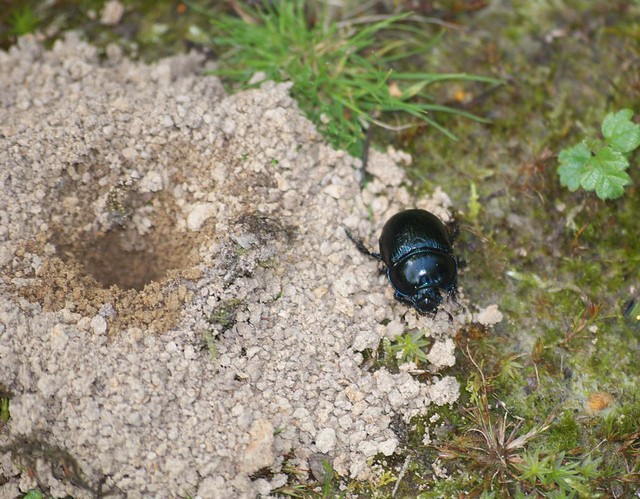
and a beetle too...
DSC_4229 beetle

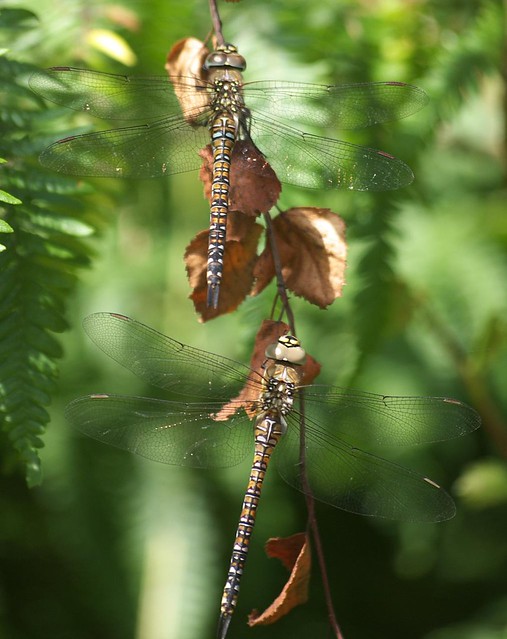
In the wayleave were Comma butterflies and more dragonflies; I got a rare opportunity to photograph two together:
DSC_4215 dragonflies

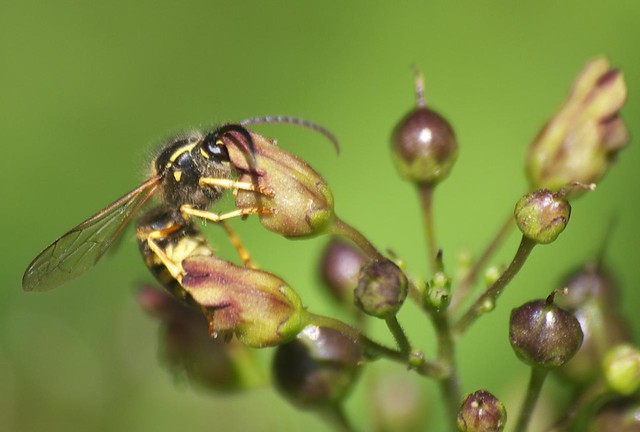
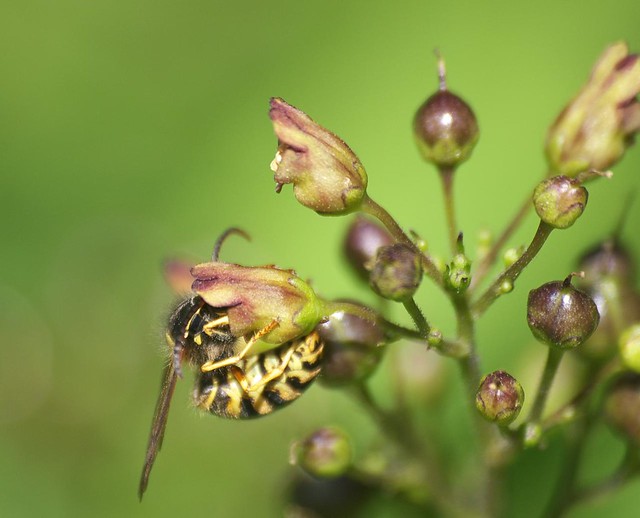
We also saw this wasp feeding on Common Figwort - apparently they're a good pollinator for them:
DSC_4209 Wasp and Common Figwort

DSC_4207 Wasp and Common Figwort

Great to see all of these creatures around again!

Mike

Click here to read the rest of this post.

Thursday, 15 October 2009

Felling some big trees

Seems like we've hardly had any time to sit down in the past week, with coppicing, work and stuff on in the evenings... Anyway, here's an update on the work over the past few days.

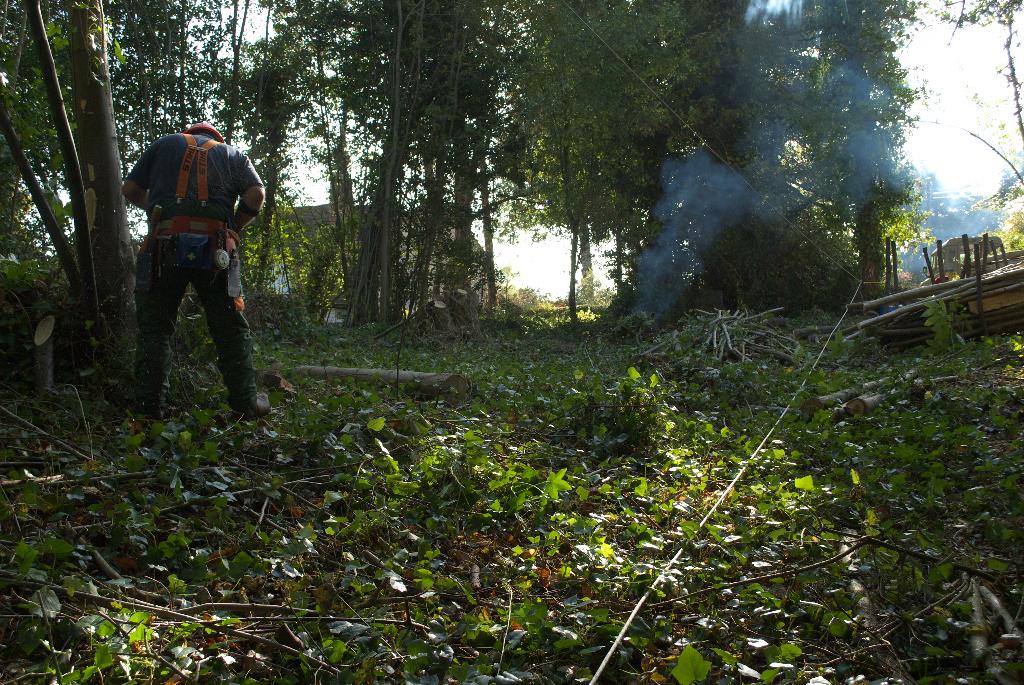
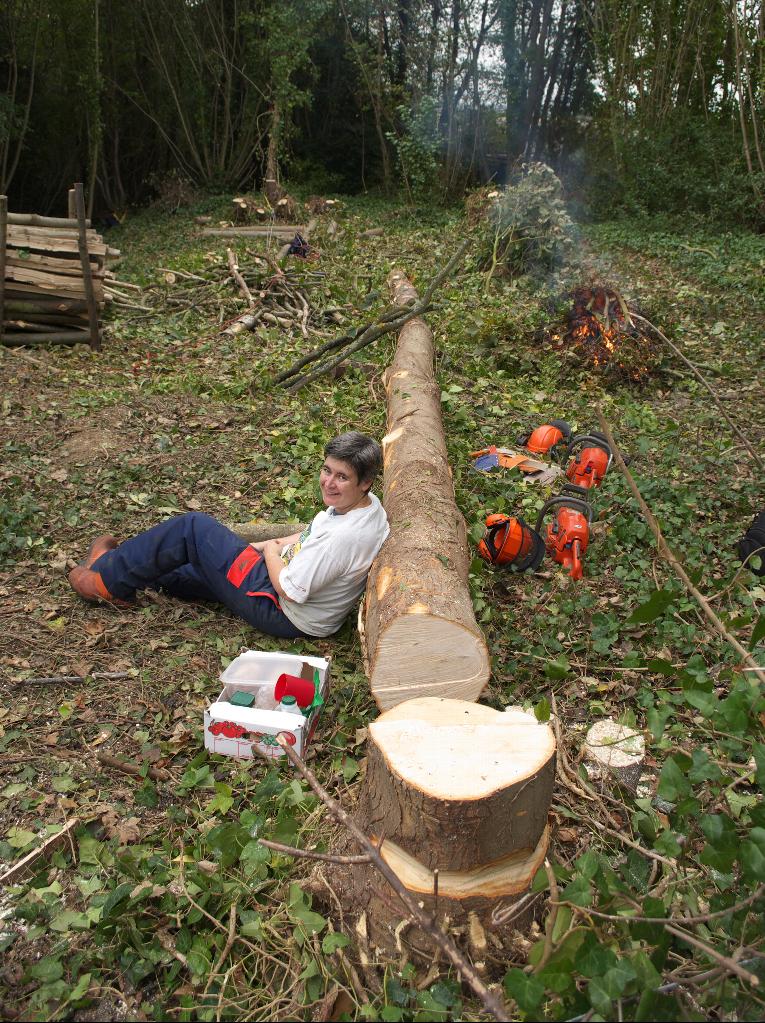
This week we had a few larger trees to fell, the tallest being this Sycamore:
First though, some Chestnut at the other end of the clearing we've created needed to come down to make room for it:
There were a few small stems to get out of the way first:
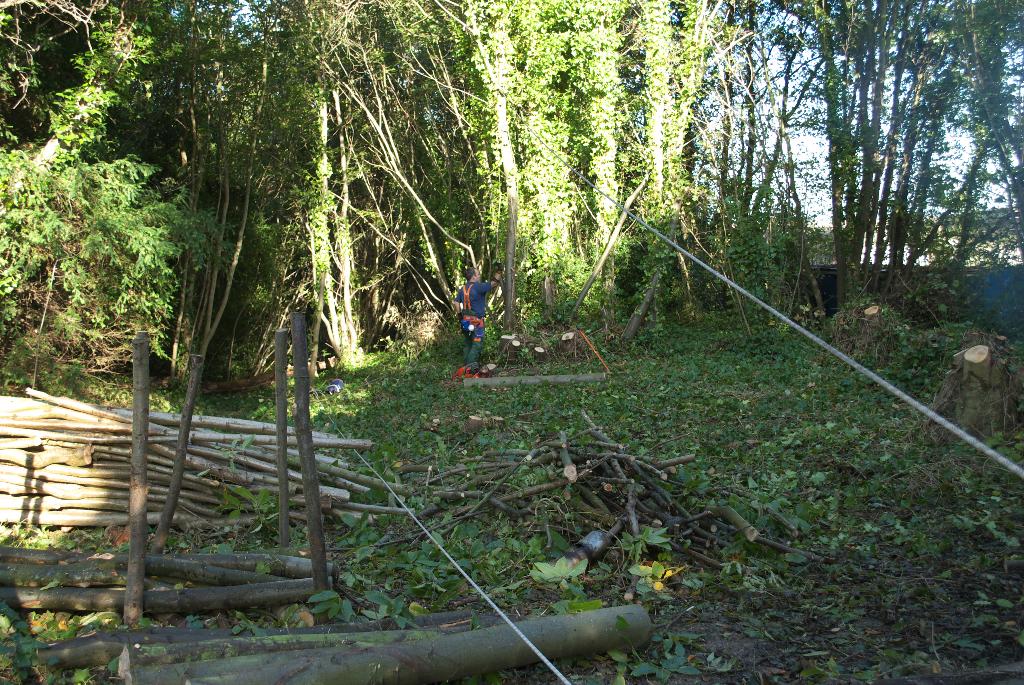
Then we set up a simple rope system:
using the big Sycamore as an anchor for a pulley:
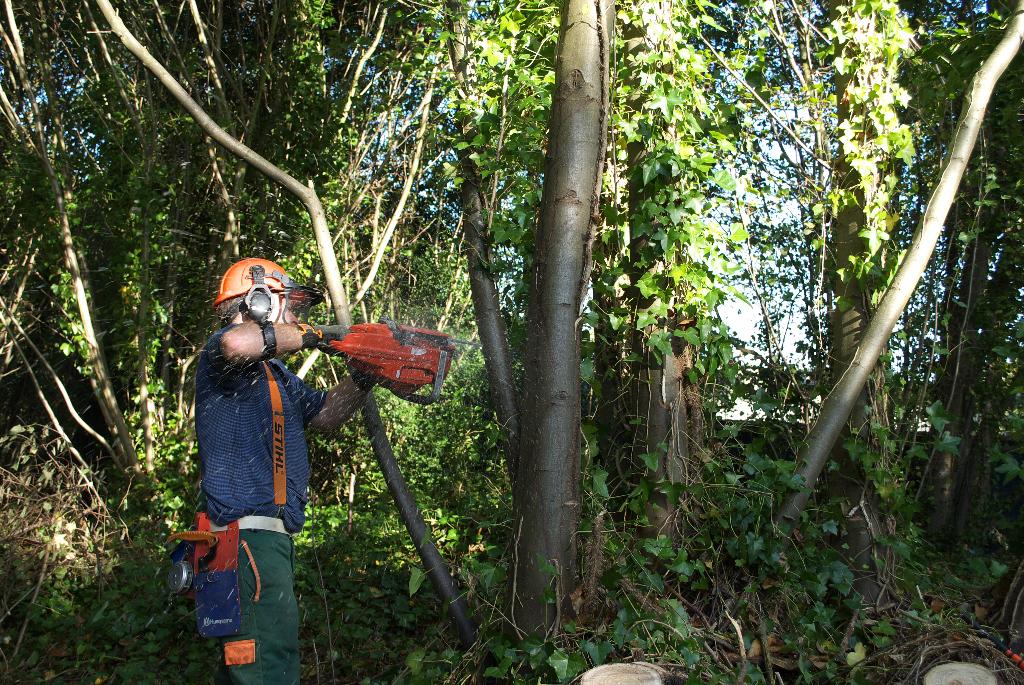
so that we could be stood behind the trees as they came down:
They were dealt with pretty quickly, and we collected some chestnuts that came off them as they fell, to eat later on. Most were too small, but there's a few that were OK, better than last year!
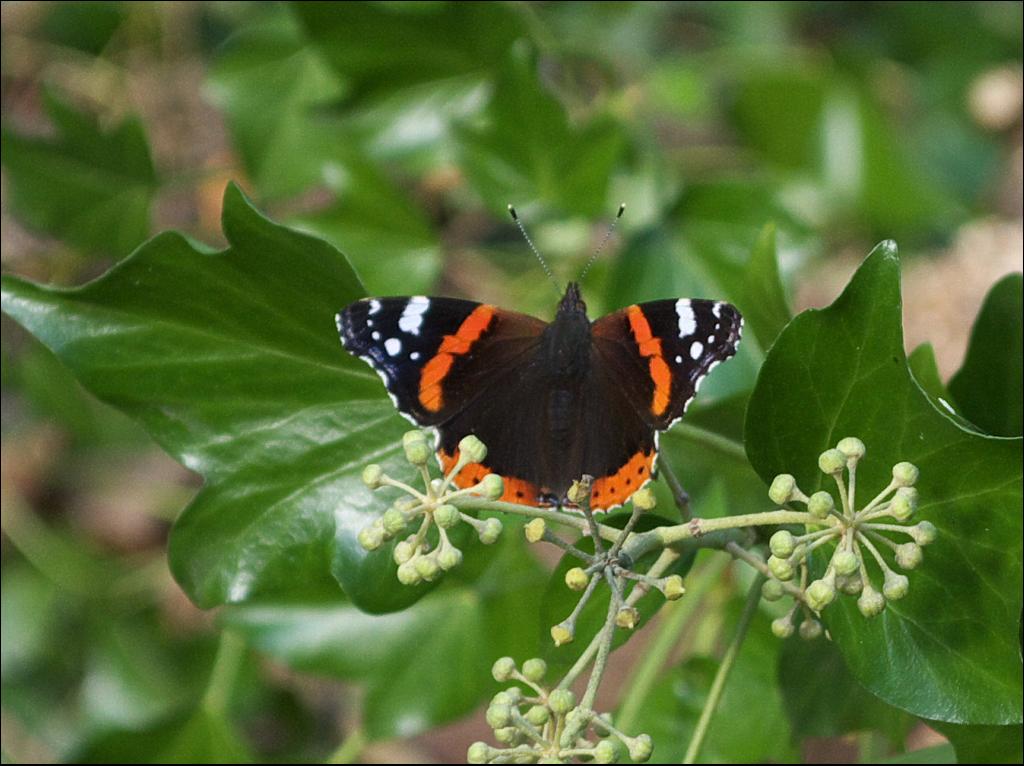
Before we moved on to the Sycamore, I noticed that some butterflies are really making the most of the autumn sunlight we've let in to this part of the wood, including this Red Admiral:
and a Speckled Wood:
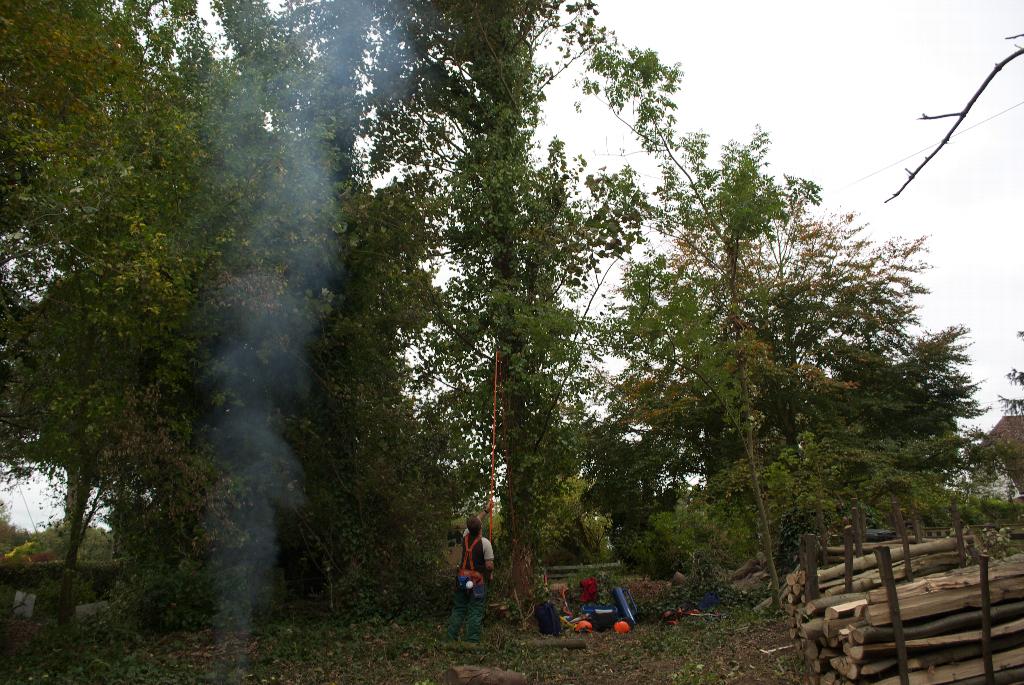
OK, on to the Sycamore. Here's the picture of the big one again:
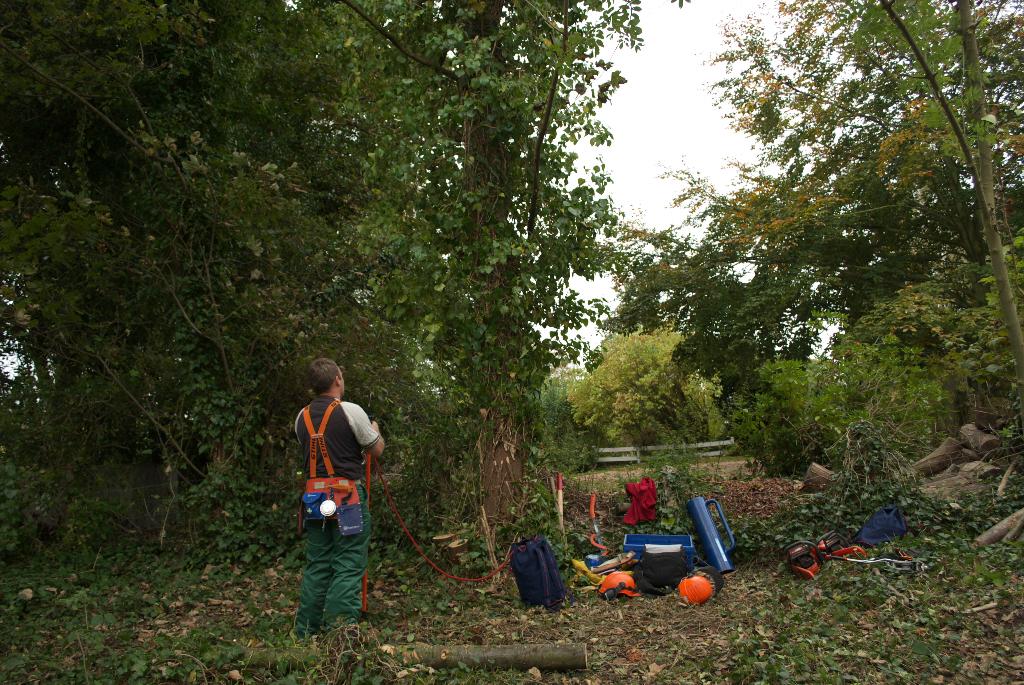
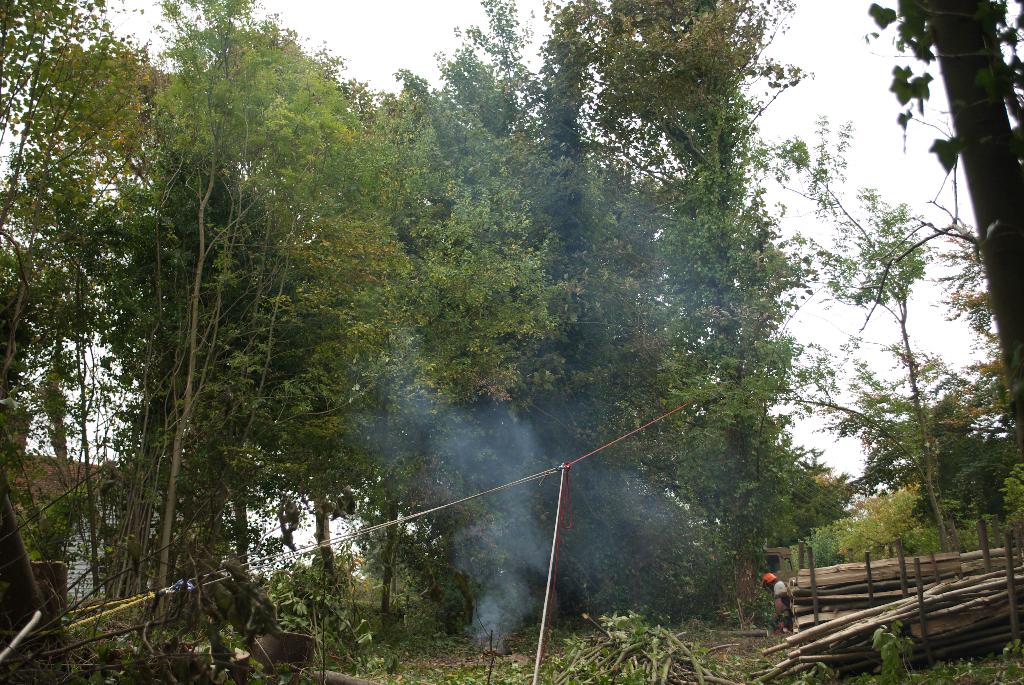
Also, there's a smaller one next to it that we needed to fell too. You'll notice that behind it is someone's garden, and there's a phone line too, so we had to make sure this tree fell in the right direction! To do this we set up the ropes and pulleys to give us a 3:1 leverage. The red rope was fastened as high up the tree as possible, using an extendable pole with a hook on the end:
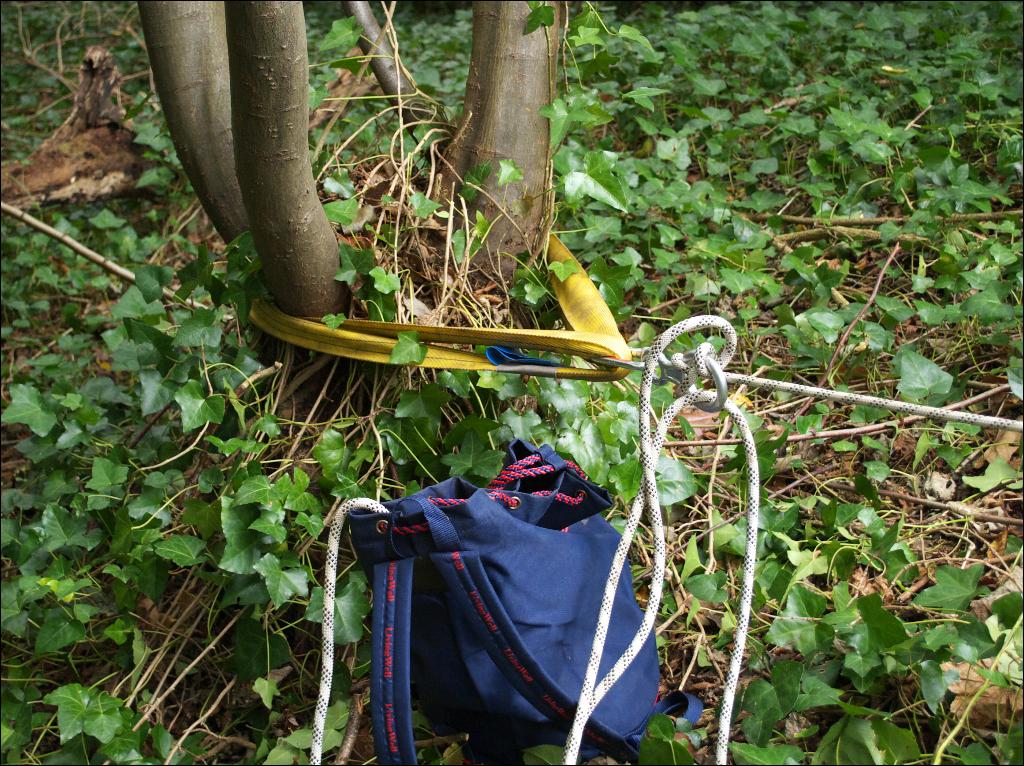
Then the end of that rope was anchored in a figure-of-eight, which in turn anchored the end of the white rope and a pulley:
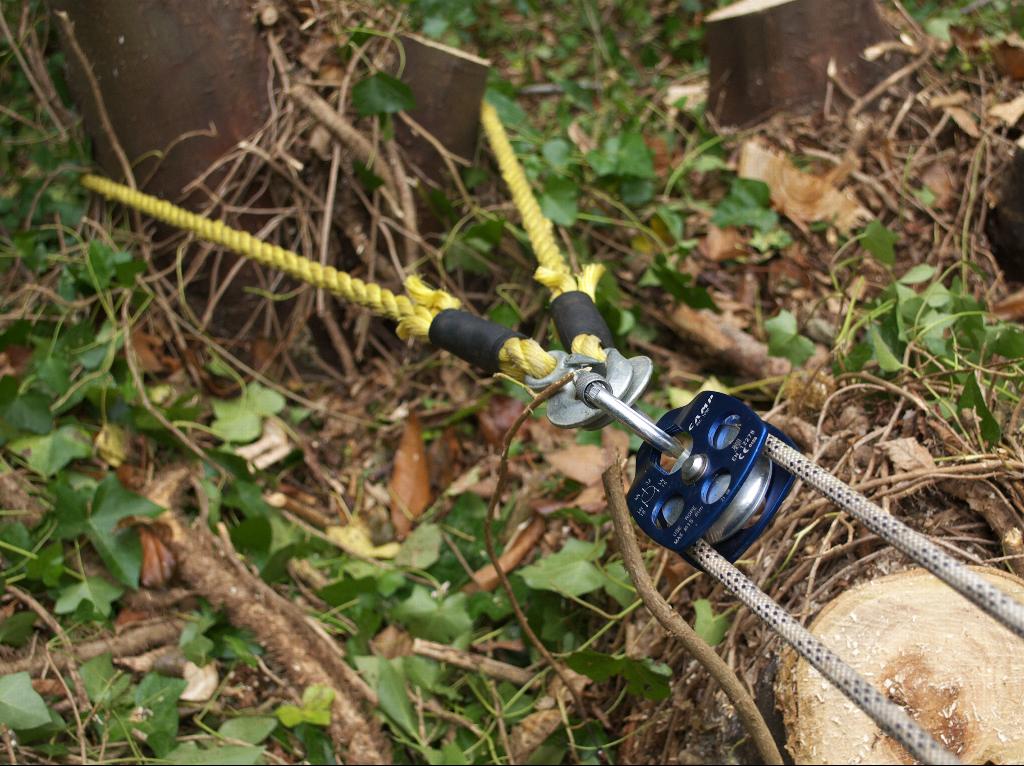
The white rope carried on to another pulley anchored to the Chestnut stool we were felling earlier:
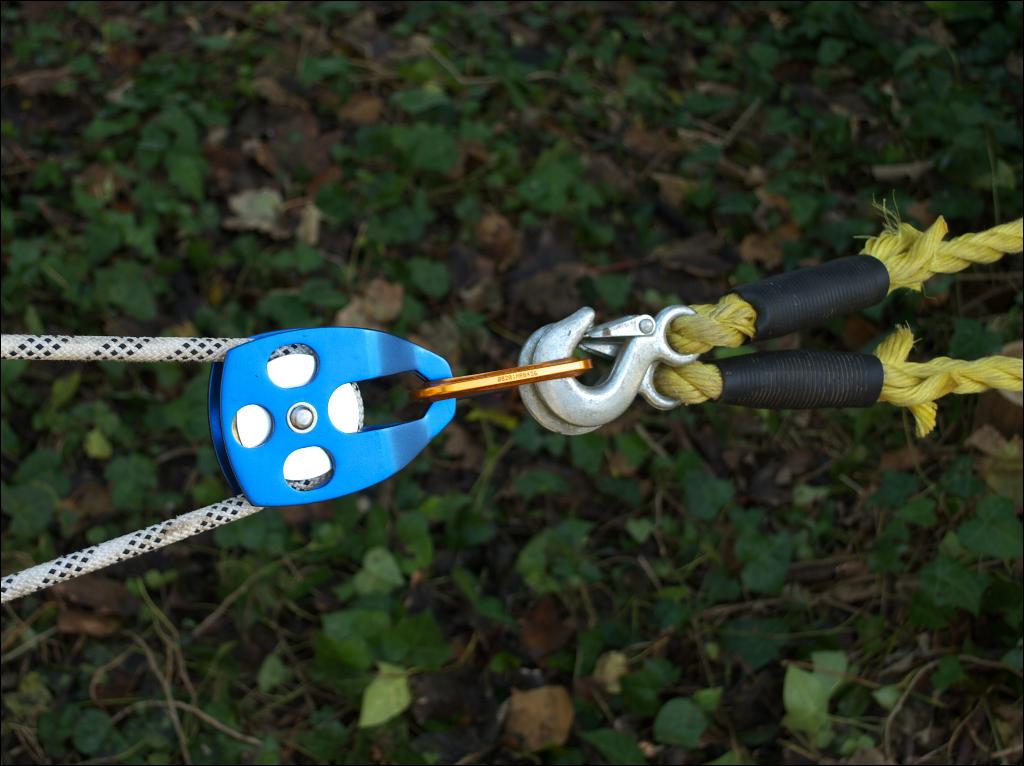
and from there back up to the pulley you saw earlier (here it is again):
From that pulley, the white rope then headed down to it's anchor point, well out of range of where the tree would fall, and where we pulled from:
This means that for the force applied at this anchor, double the force was being applied at the pulley attached to the Chestnut (as there are two lengths pulling on the pulley), and triple the force was applied where it all joins the red rope (two lengths on the pulley and the end of the white rope anchored there).

Then it was time to put the cuts in...
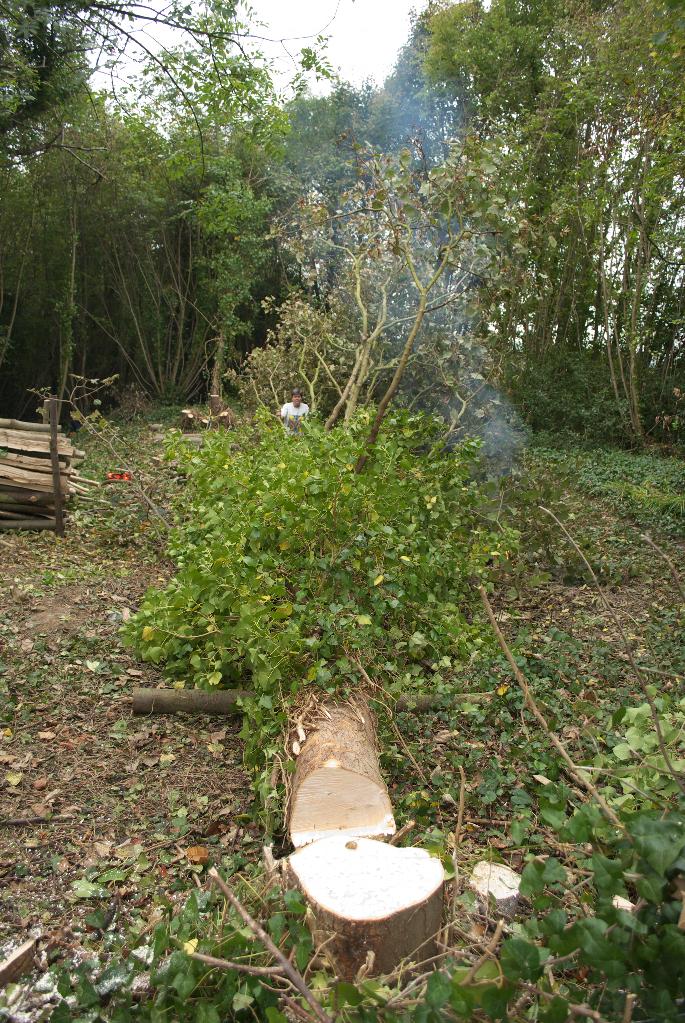
and after a bit of pulling it was all safely on the ground:
Sorry there's no video, but we were both pulling on the rope!

Of course, that was only half the work, as it was a big tree to cut up - you can just see Tracy in the midst of it here:
However, it wasn't long before we had a clean trunk - I hope to finally get to use the sawmill on the butt of this tree to see if I can make some planks...
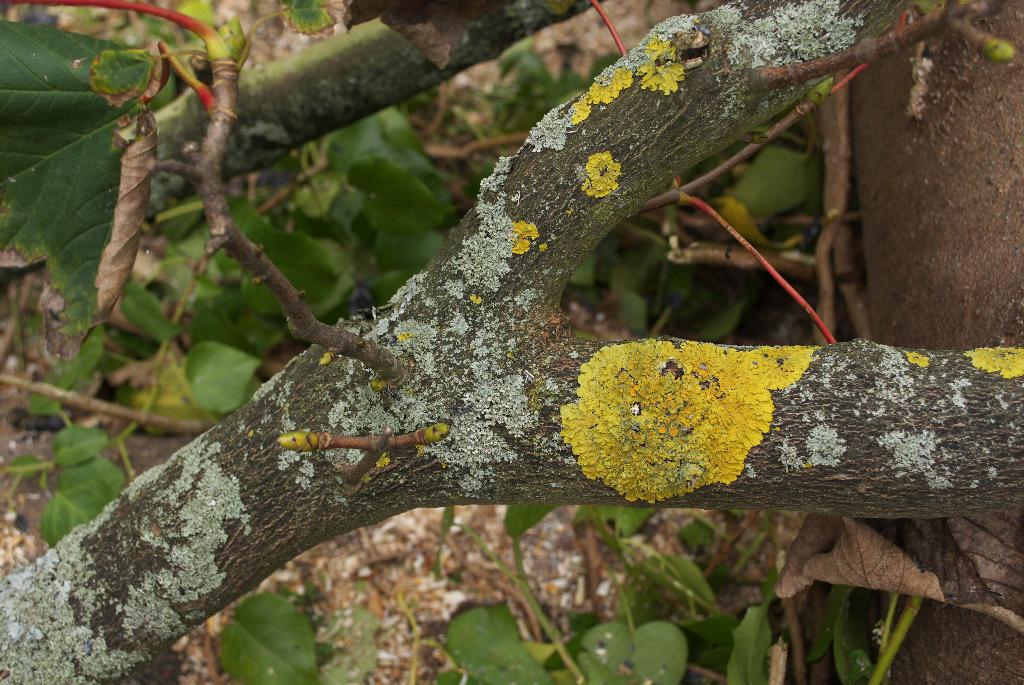
One last thing. We found the branches had a lot of lichen on them. We didn't burn these (or quite a bit of the ivy), but left them in a pile for wildlife.
A friendly little Robin really liked this, and some pictures of him will come in the next post...

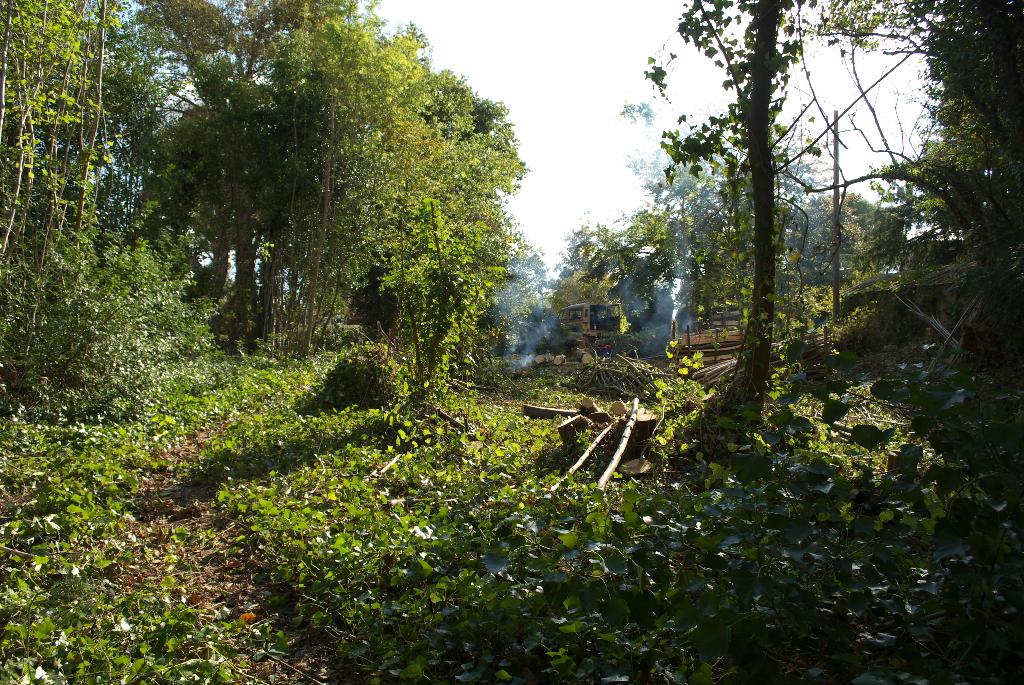
Finally, here's a picture of how the clearing is looking from the other end as it grows:

Mike


Click here to read the rest of this post.