OK, let's start with an invader from outer space: Actually, it's a Black Arches moth, one of the 105 species recorded in our wood and the wayleave last Friday night. We'll come back to the moths in a minute, but first I want to show you some pictures of a butterfly that we found resting on the ground as the light was fading. It's not rare, but is normally up in the treetops so is very hard to get a photo of...
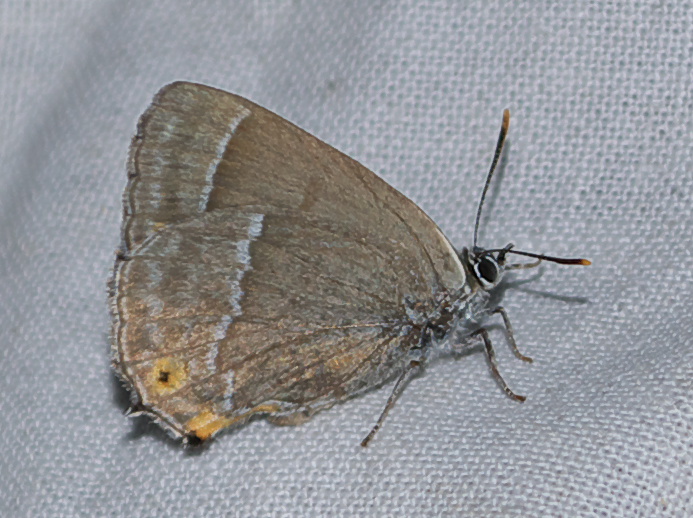 It's a Purple Hairstreak, usually found in the top of oaks. Very nice to know it's in our wood! One of the moth experts said it would be good to get it off the ground and onto a tree trunk where it could rest safely. However, I think the cold had made it a bit dopey, and it wanted to cling to my finger! I bet there's not many people who've managed to take a photo of a Purple Hairstreak on their finger!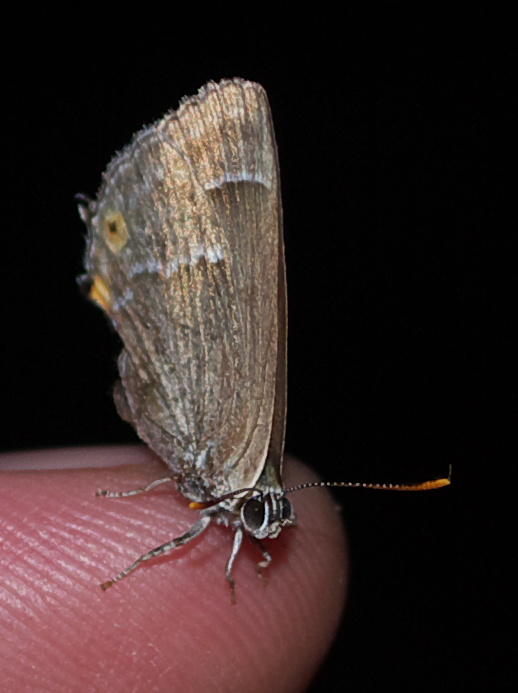
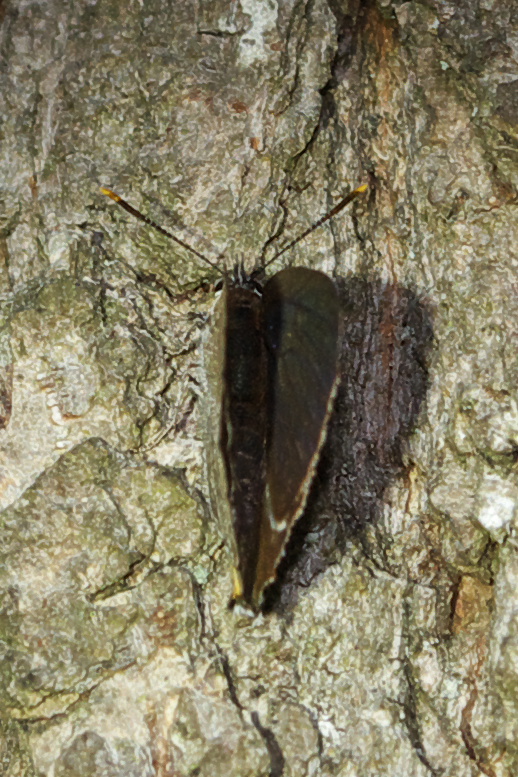
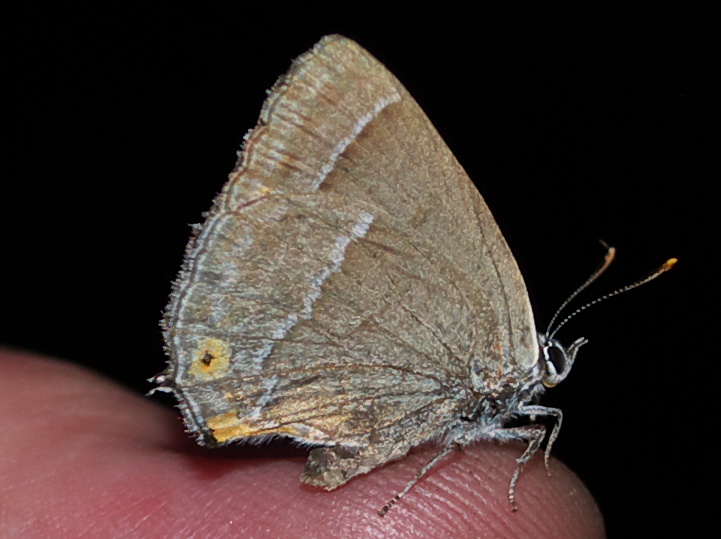 I eventually got it onto a tree, and in this photo you can just see a hint of the purple on the top of its wings:
 Anyway, back to the reason we were in the woods. The Sussex Moth Group were visiting to do a survey, arranged by Steve Wheatley of Butterfly Conservation. They did a similar survey a year ago with good results (see the pictures from last year here and here), and were interested to see how things had changed with the continuing regrowth of the coppice and the ground flora, and also how the rare Clay Fan-foot was doing. They all arrived a short time before dark and started setting up the moth traps:
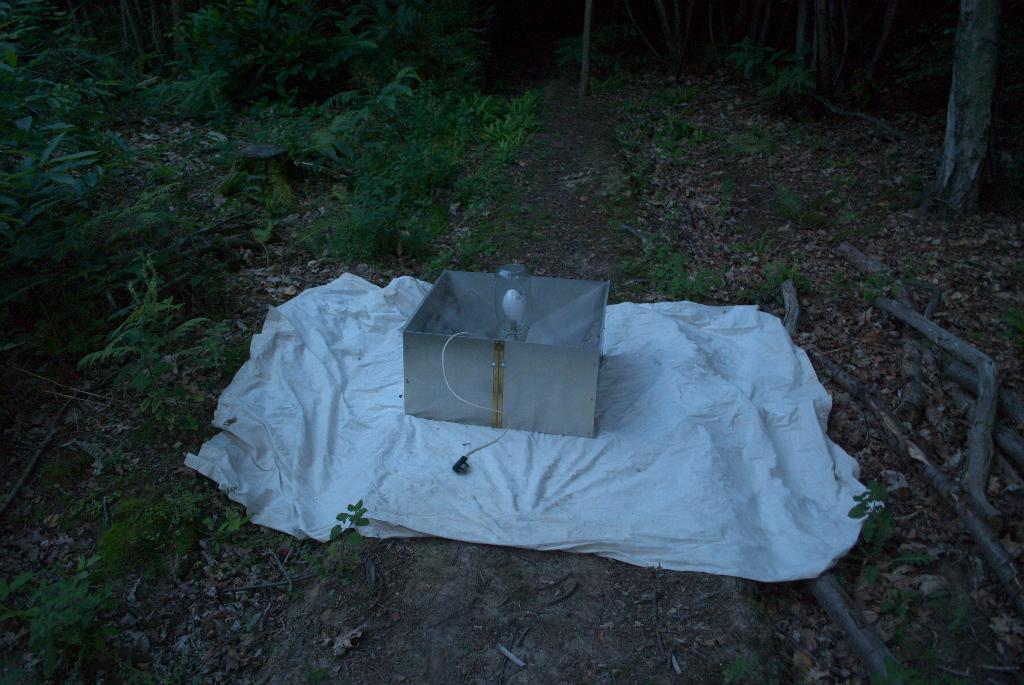
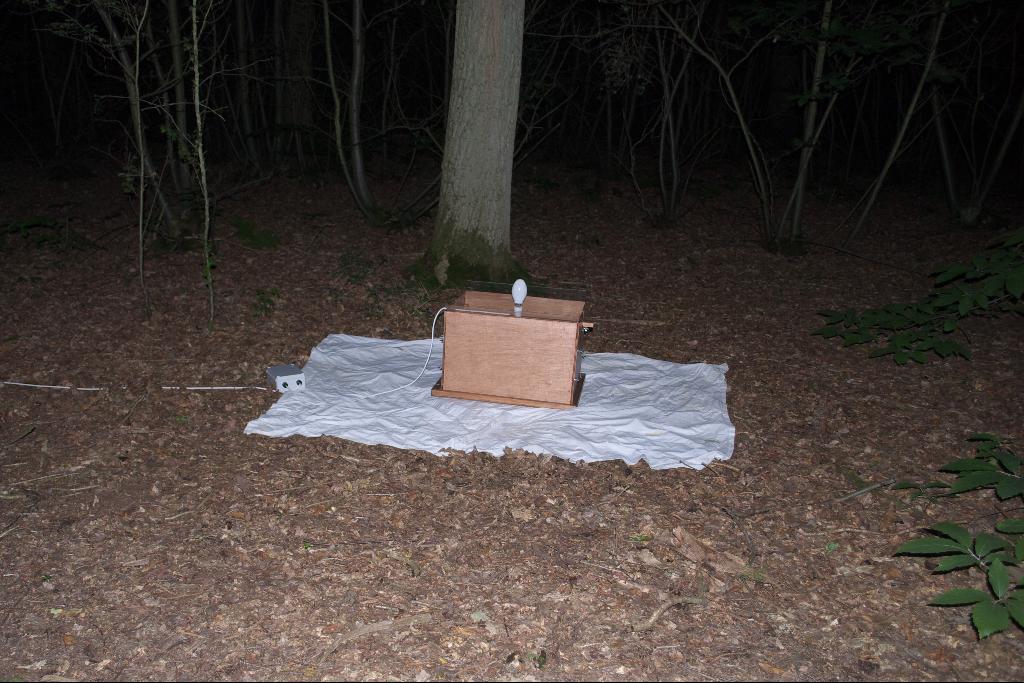
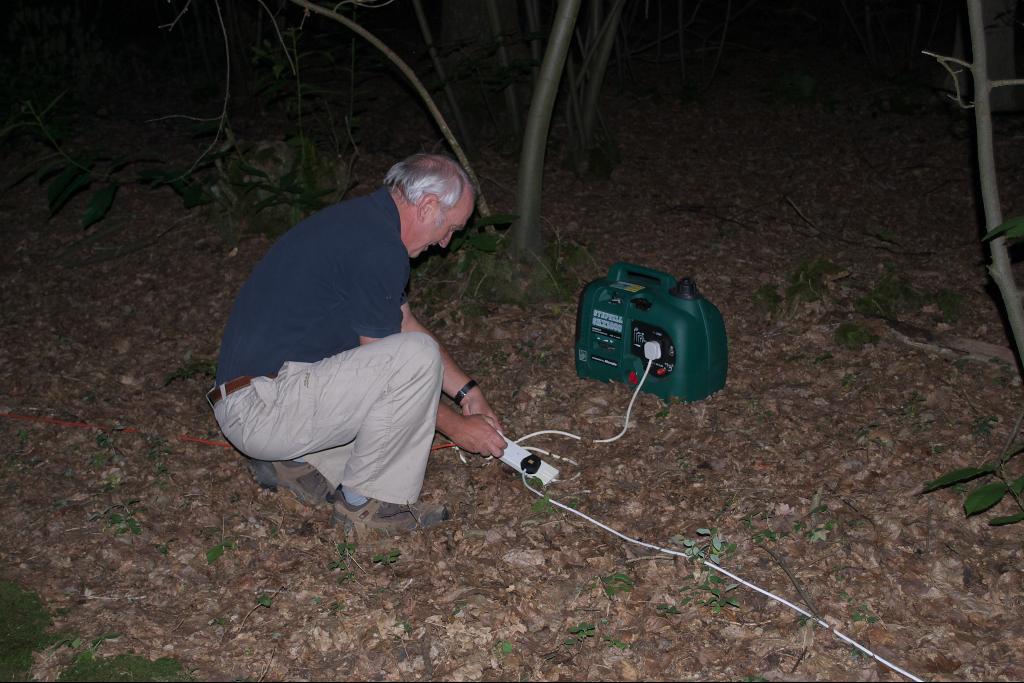
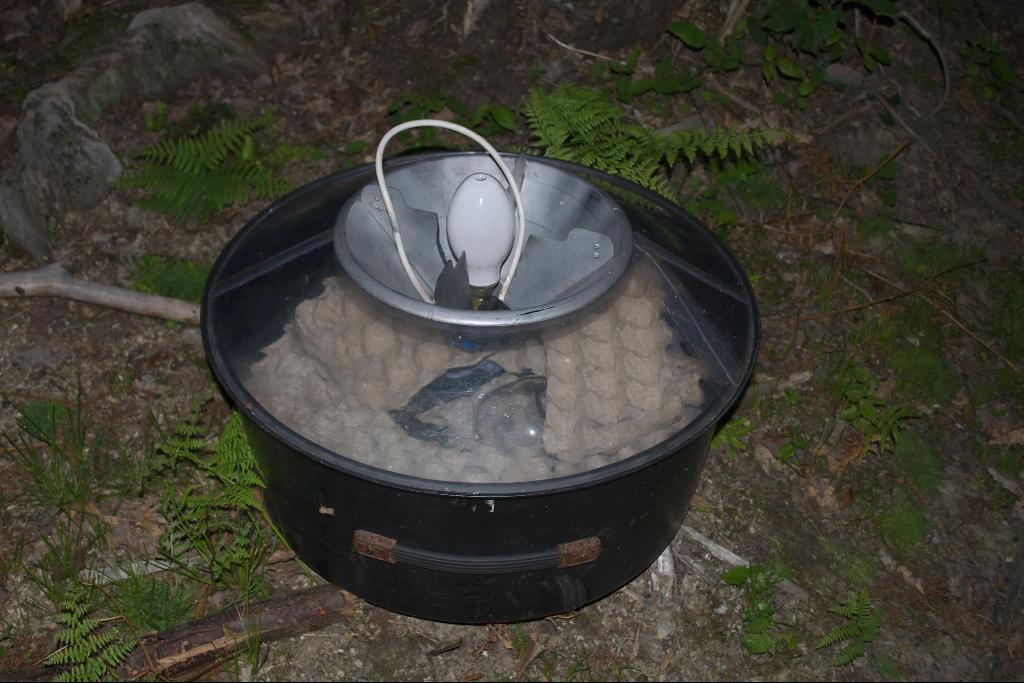 They're all powered by a few small petrol generators: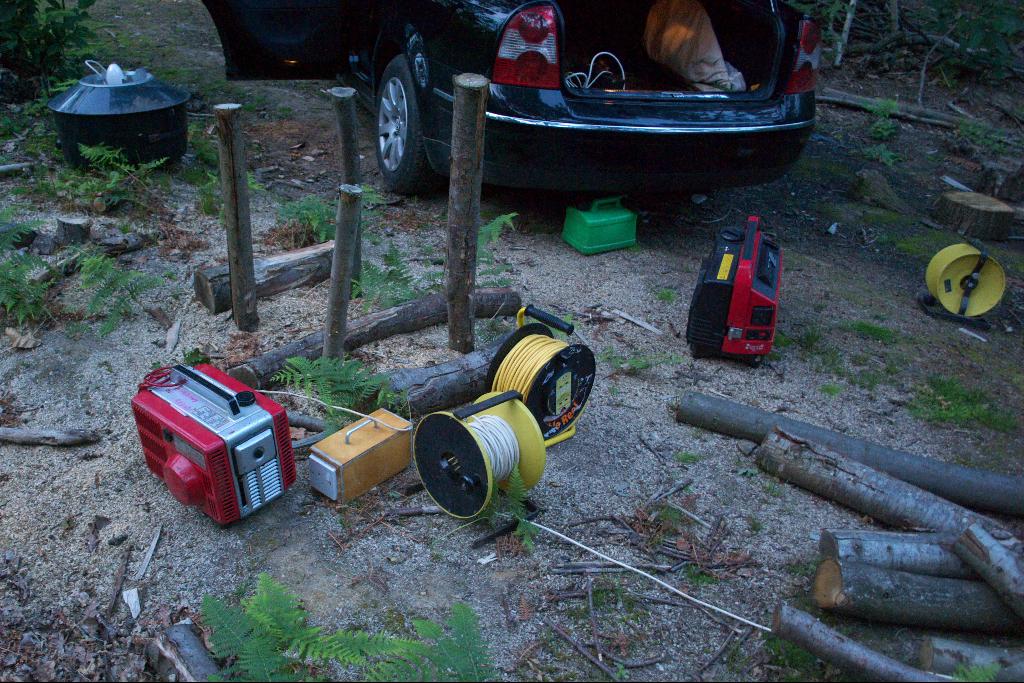
 The wood looks quite different with a moth survey going on...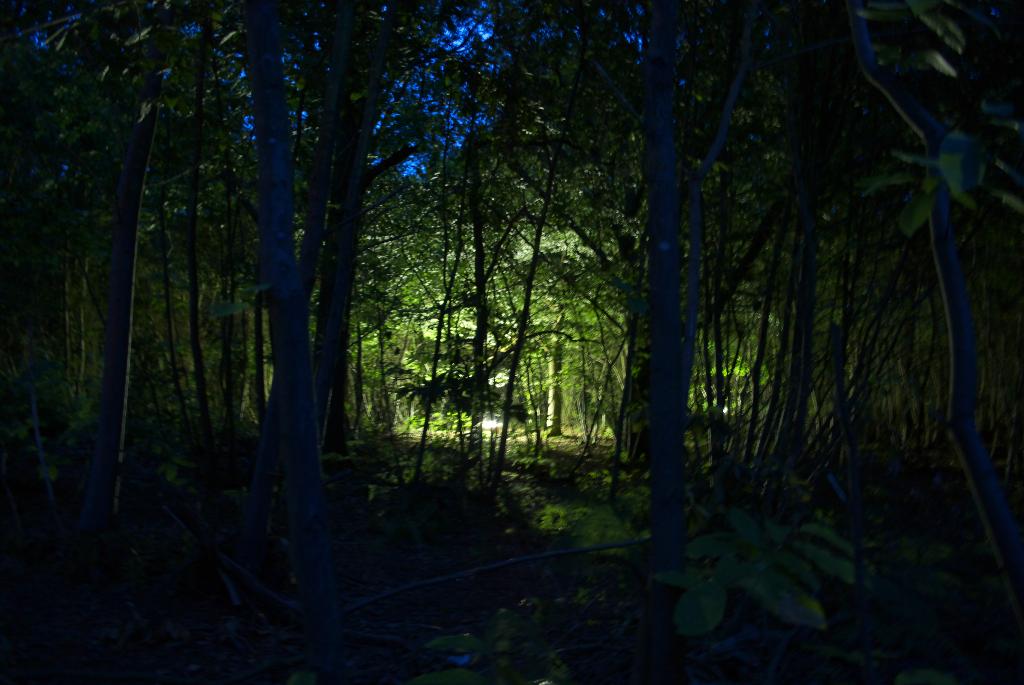
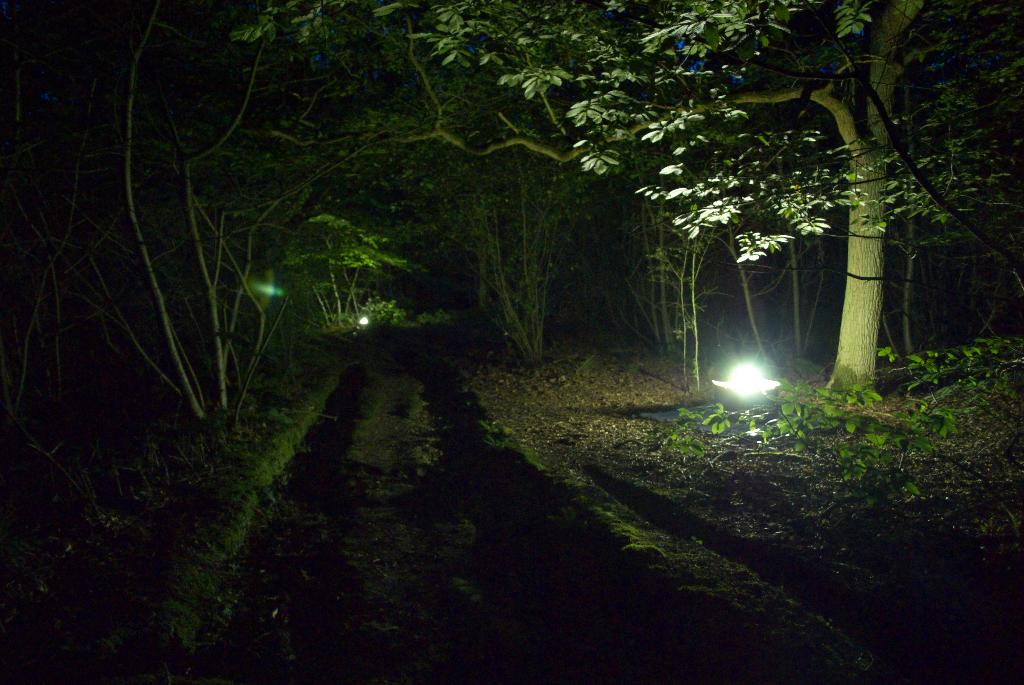
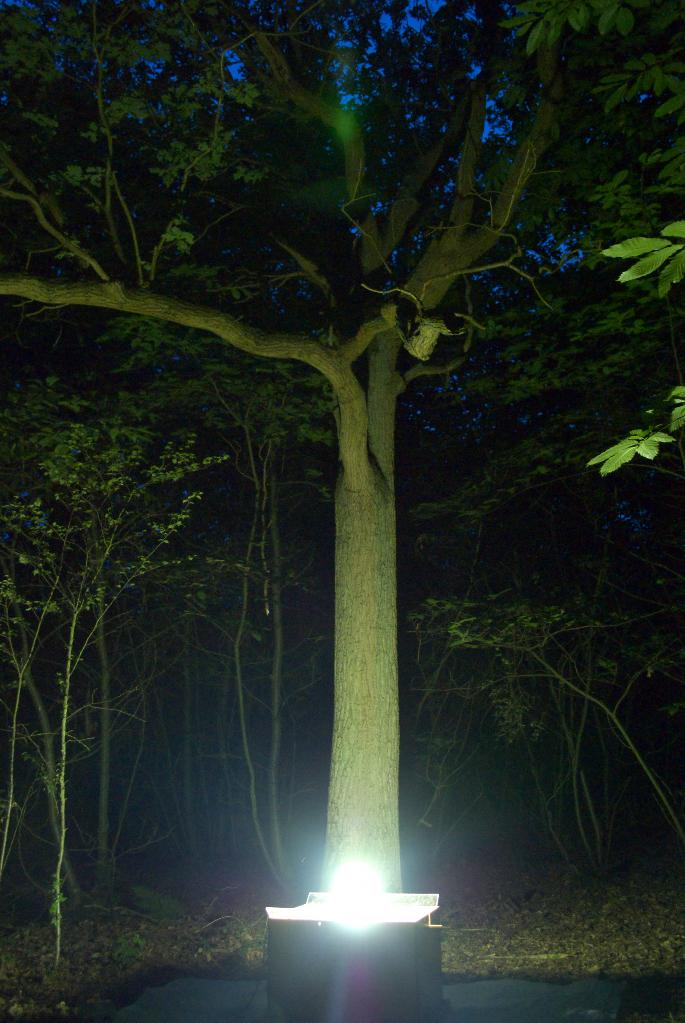 In case you were wondering, the traps don't harm the moths - they just get stuck inside them until the moth experts turn up to open the trap and ID everything in them, after which they are released. The only moth handled differently this time was the rare Clay Fan-foot, as they wanted to know exactly how many there were. To avoid double counting, each one found was kept in a sample container until the end of the evening, when they were all released without any harm.
 Right, on to the moths. I'm fairly sure I have the ID right on these, but do tell me if you spot a mistake and I'll correct it. I don't have photos of all 105 species - that would have been quite a challenge, and also we wimped out a bit before 1am, while the experts stayed on for a couple of hours longer. Photographing small insects in the dark is quite tricky, but hopefully you'll enjoy the photos anyway.
The star of the show, a Clay Fan-foot. There were 11 found this year, compared to 7 last year. 8 of the 11 were found in the area we coppiced 18 moths ago, giving further support to the theory that this rare moth needs recently coppiced areas of woodland to survive.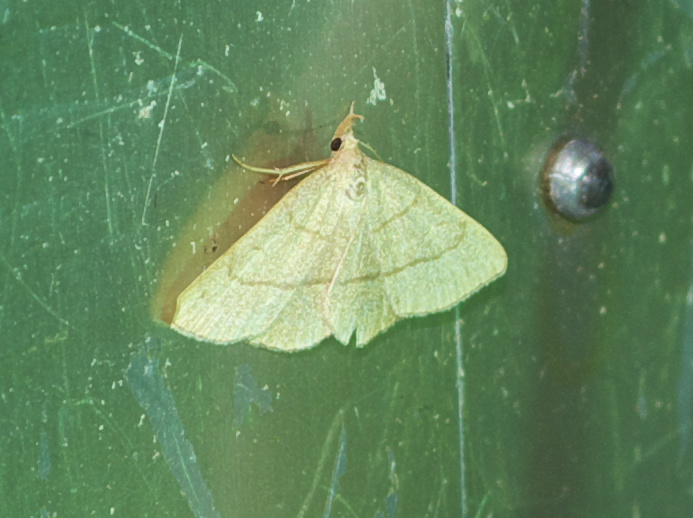 The Blood-vein:
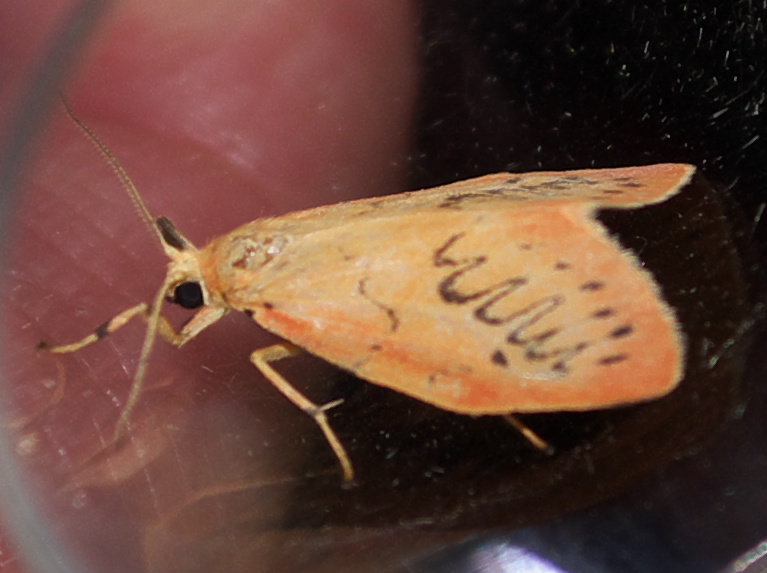
 The Rosy Footman:
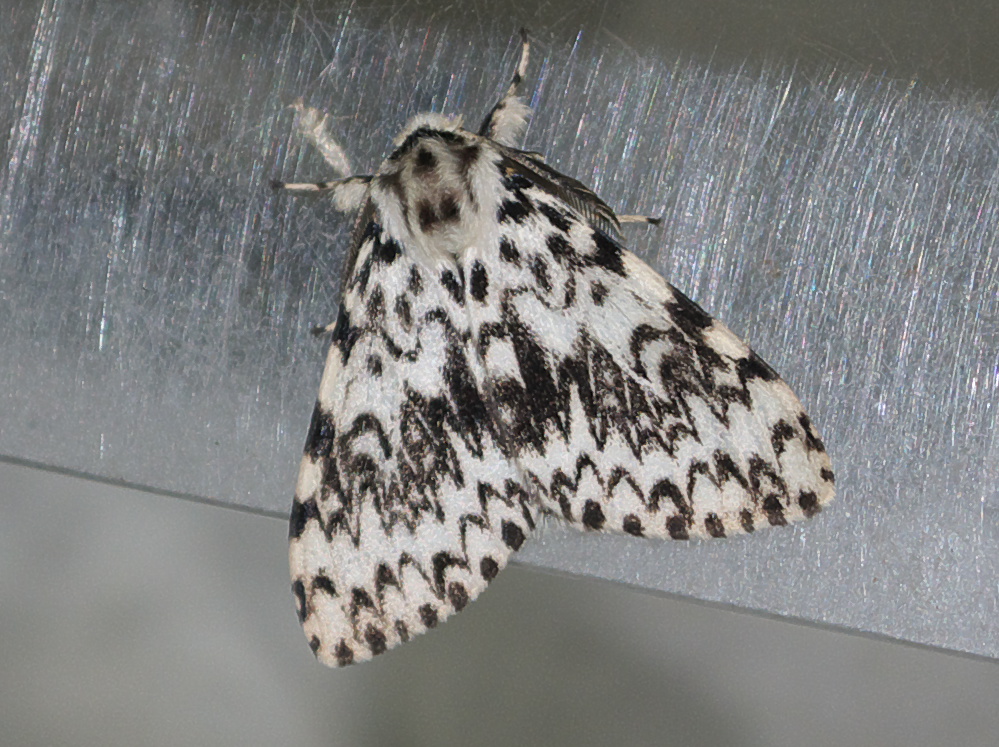
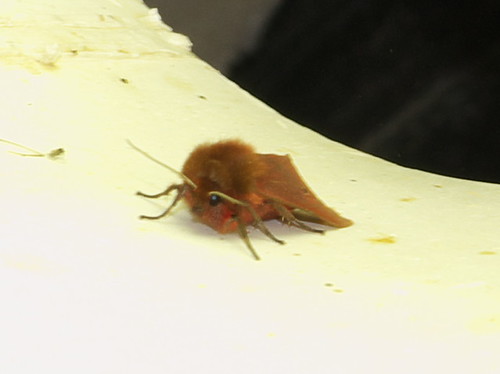
 Some more of the Black Arches, whose close up was at the start of this post: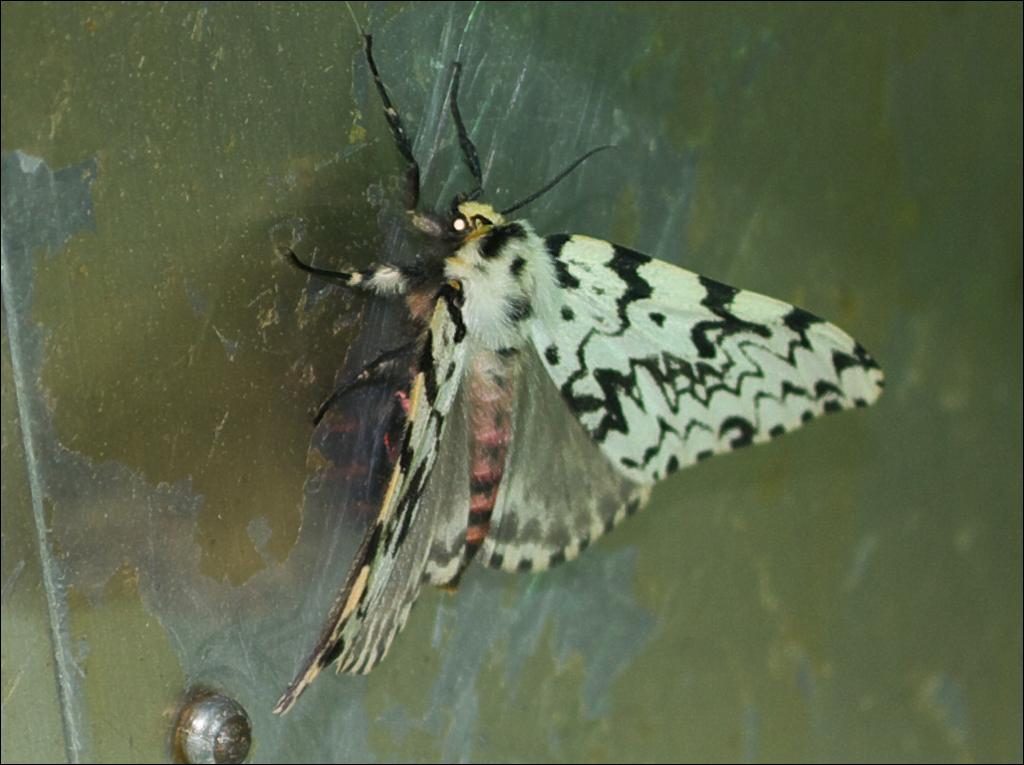
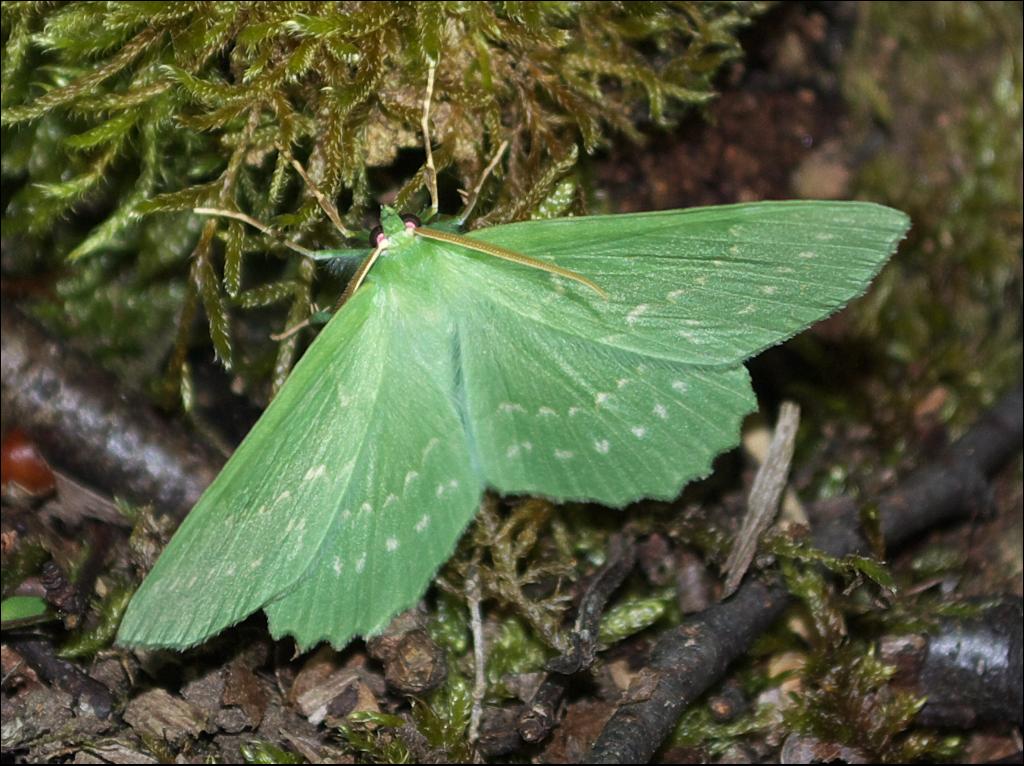
 The Large Emerald, which we heard has been having a good year:
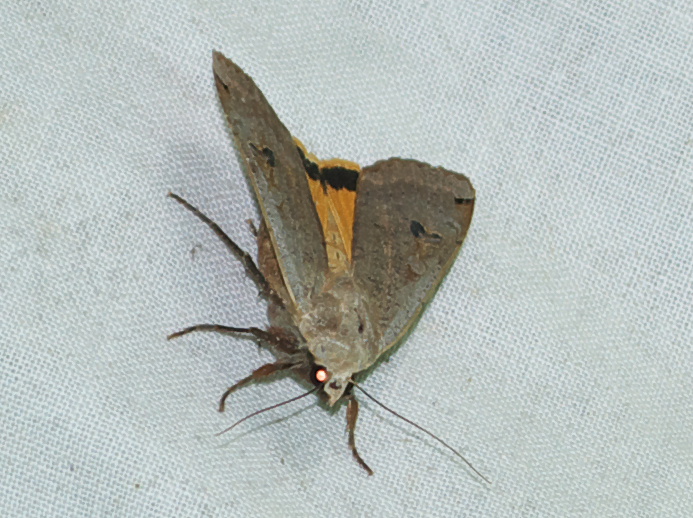
 The Large Yellow Underwing:
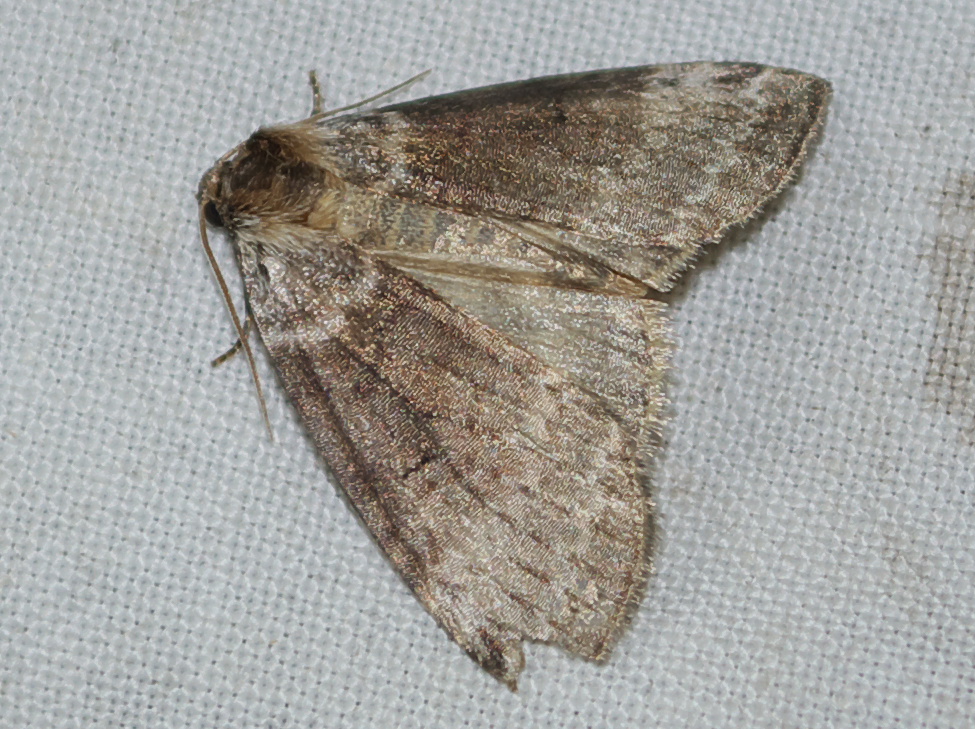
 The Satin Lutestring:
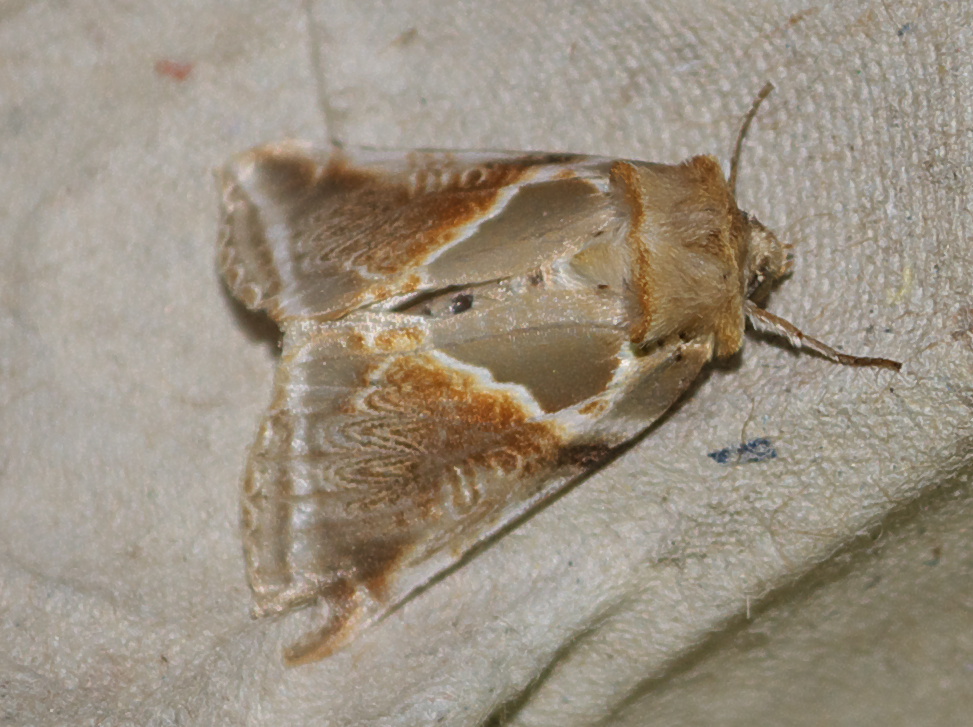
 The Buff Arches:
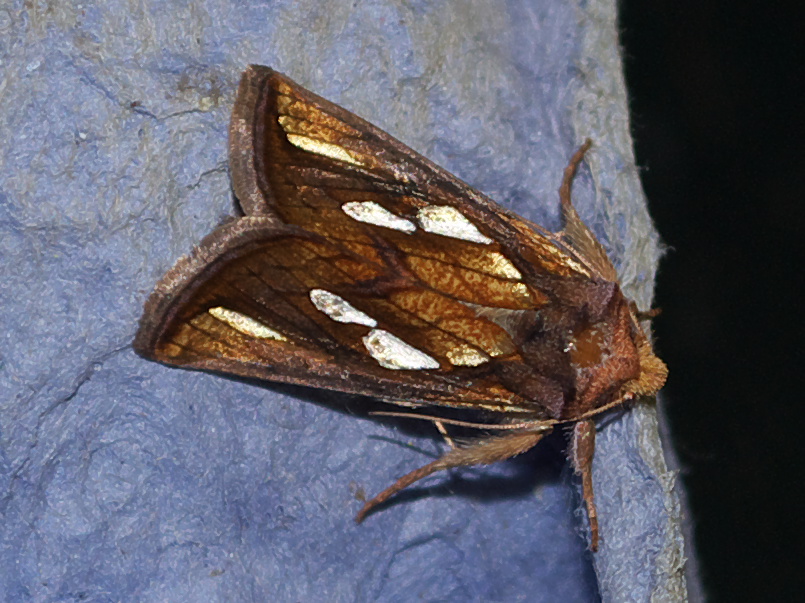
 The Gold Spot (one of my favourites this year):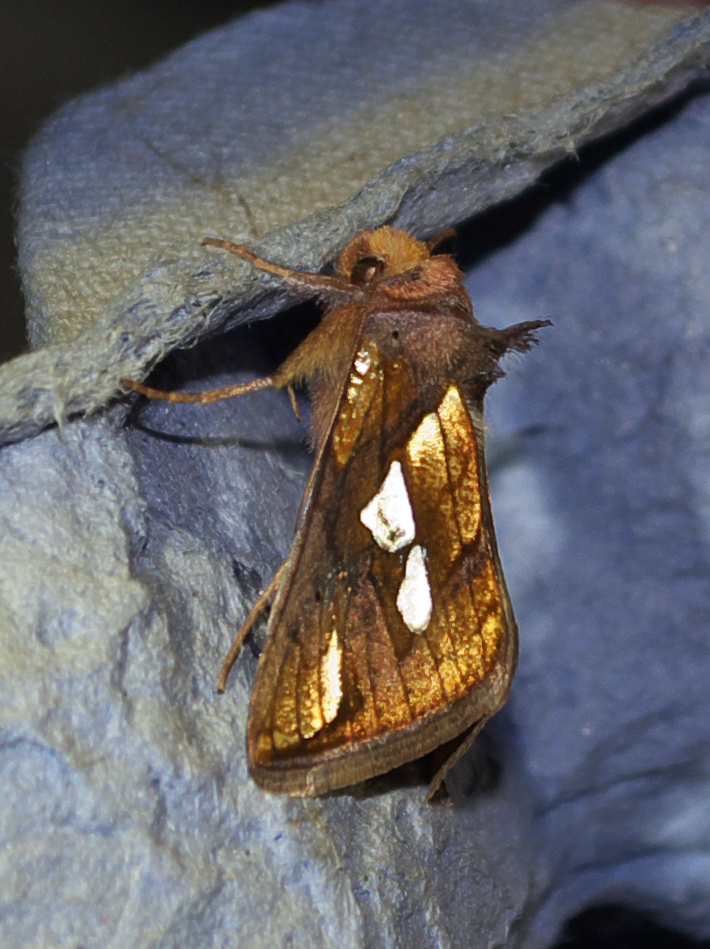
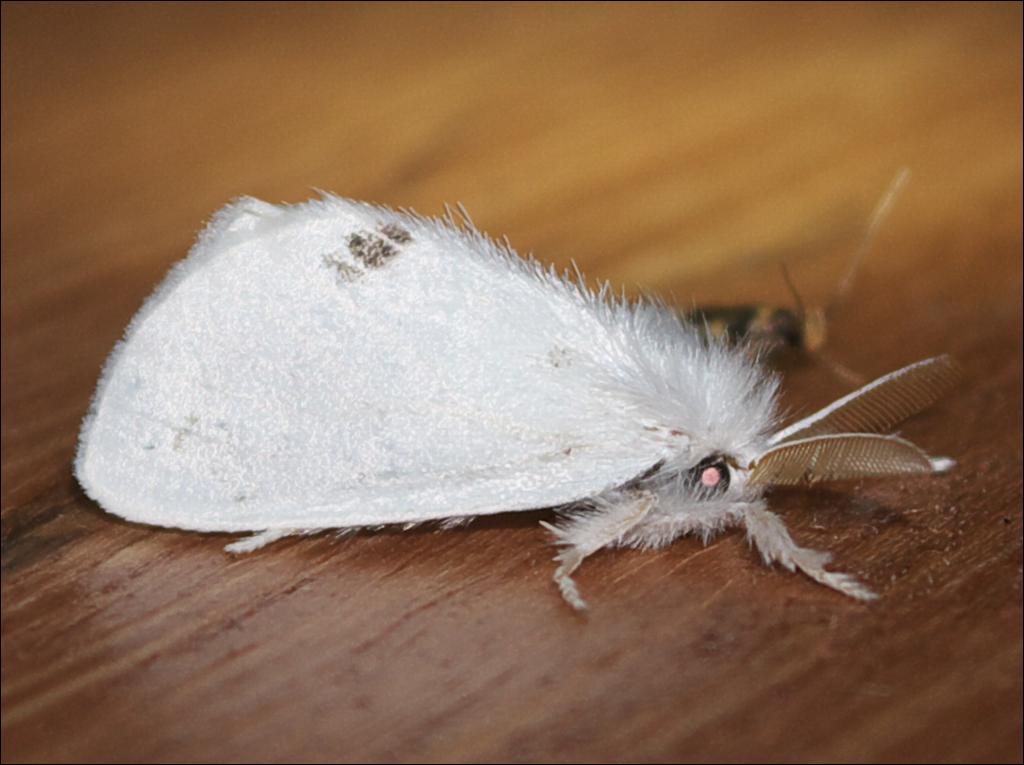
 The Yellow Tail:
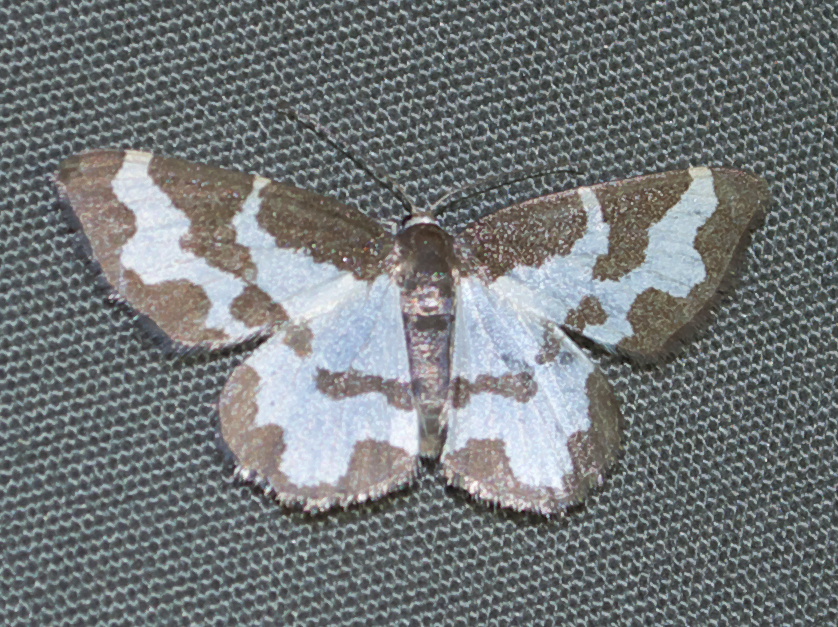
 The Clouded Border:
 The Scalloped Hook-tip:
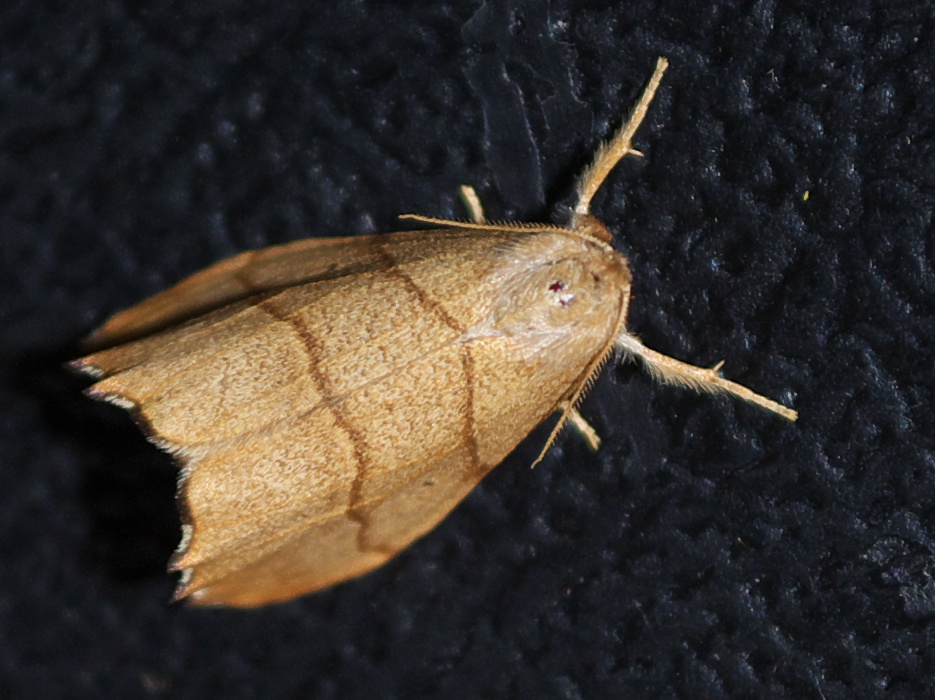 The Chocolate Tip:
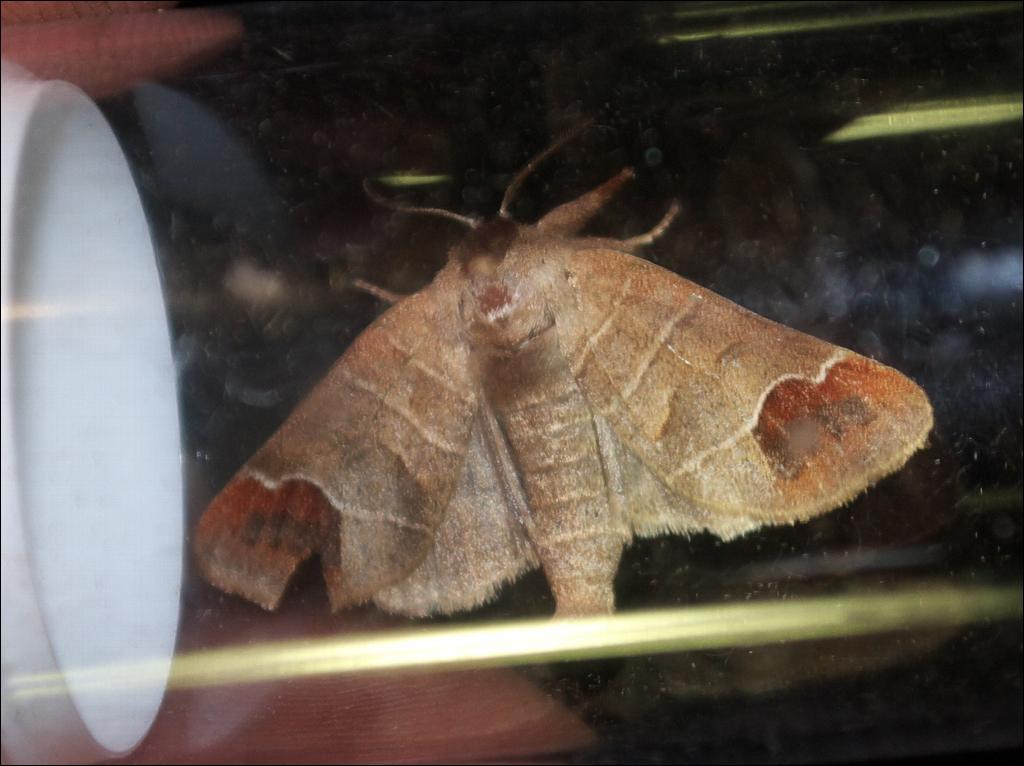 The Gold Triangle:
 The Oak Hook-tip:
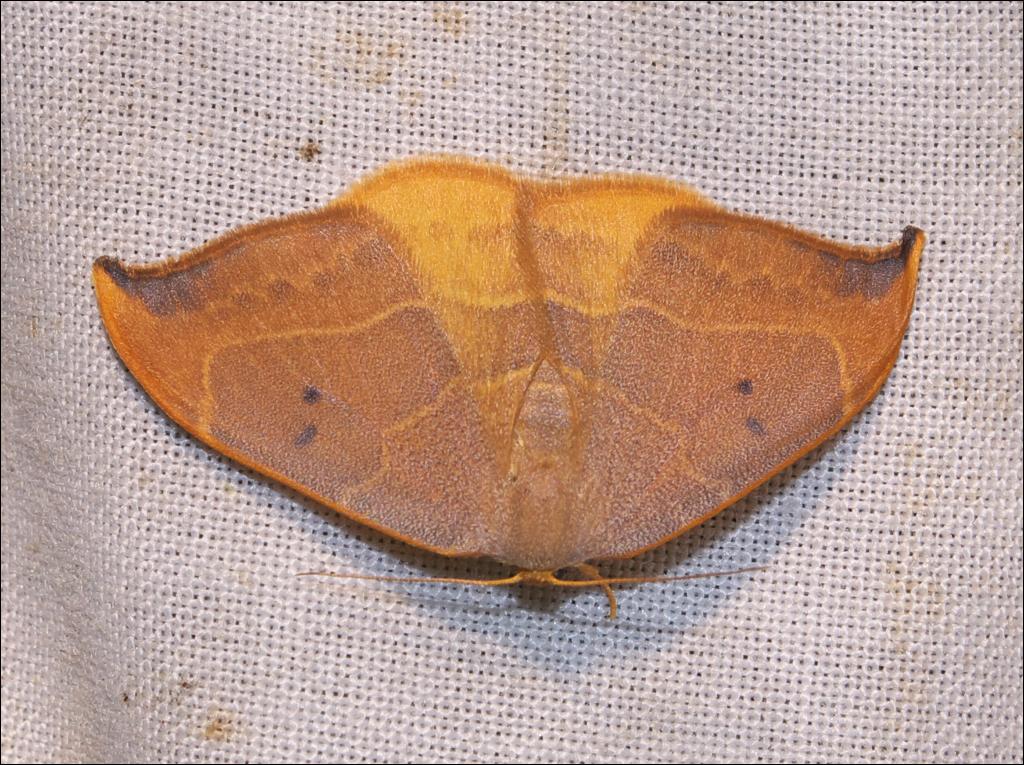 The Pebble Hook-tip:
 The Dun-bar:
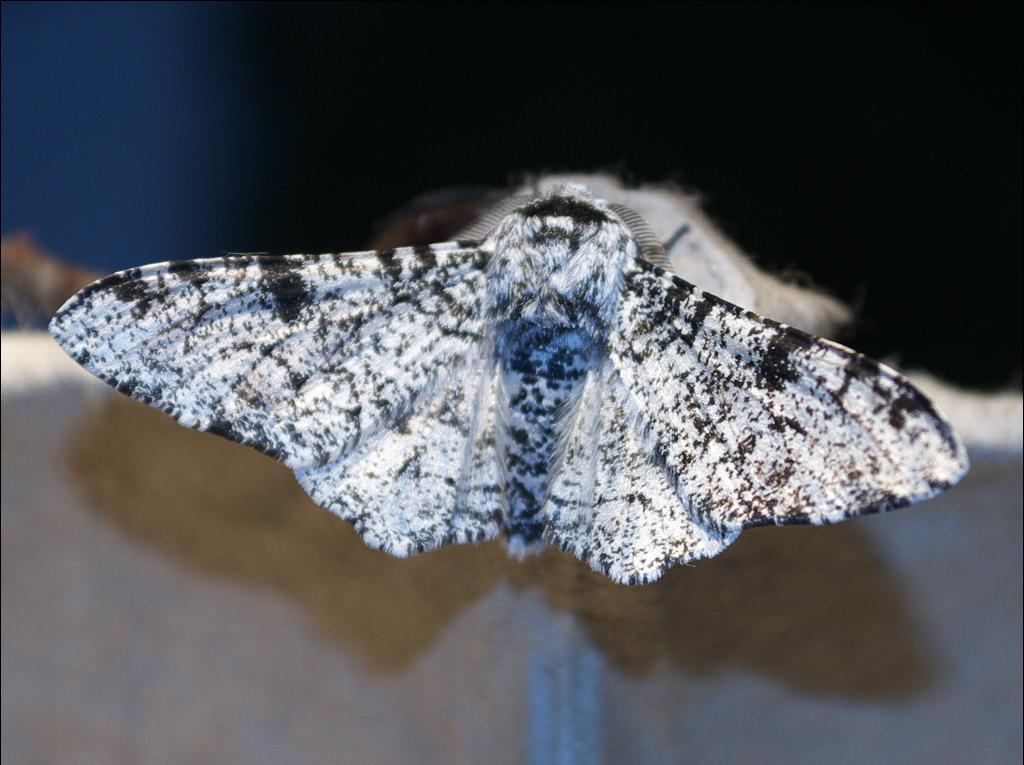
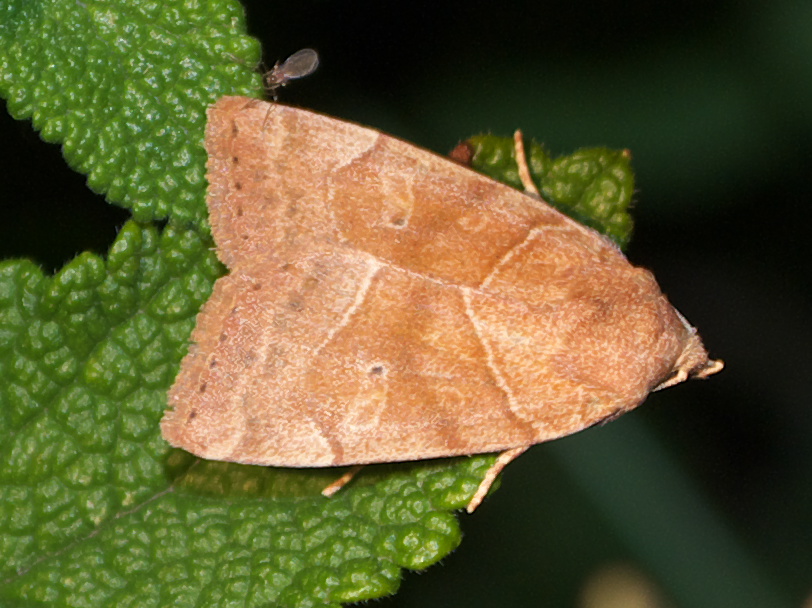 The Peppered moth (I like this one!):
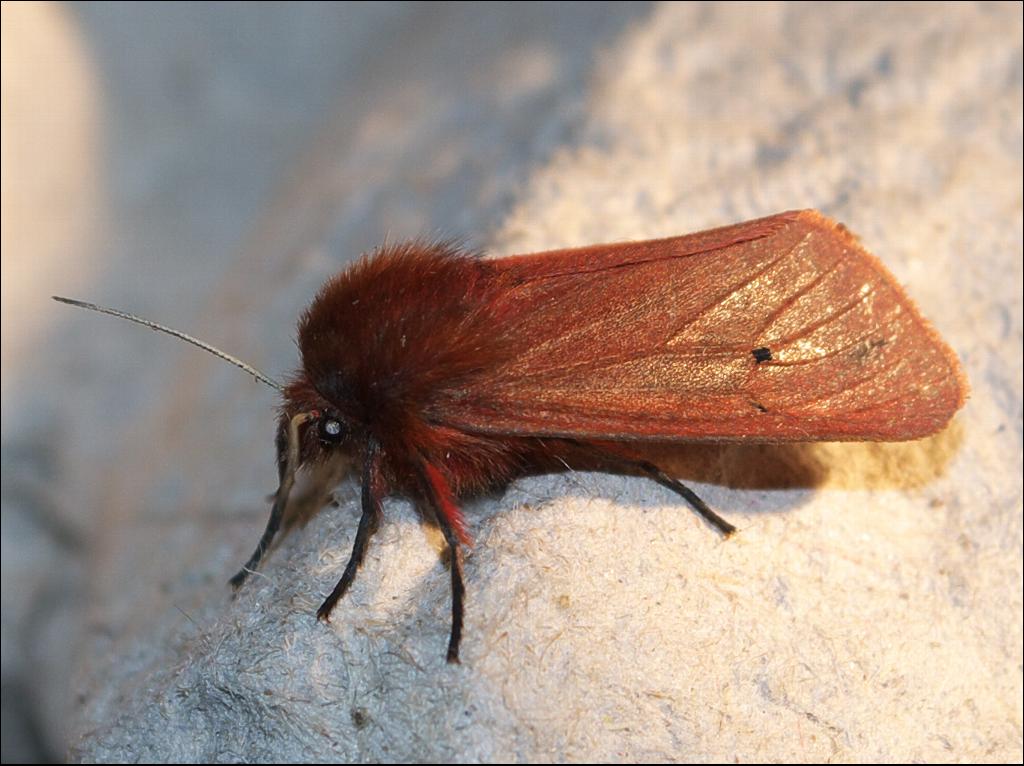
 The Ruby Tiger:
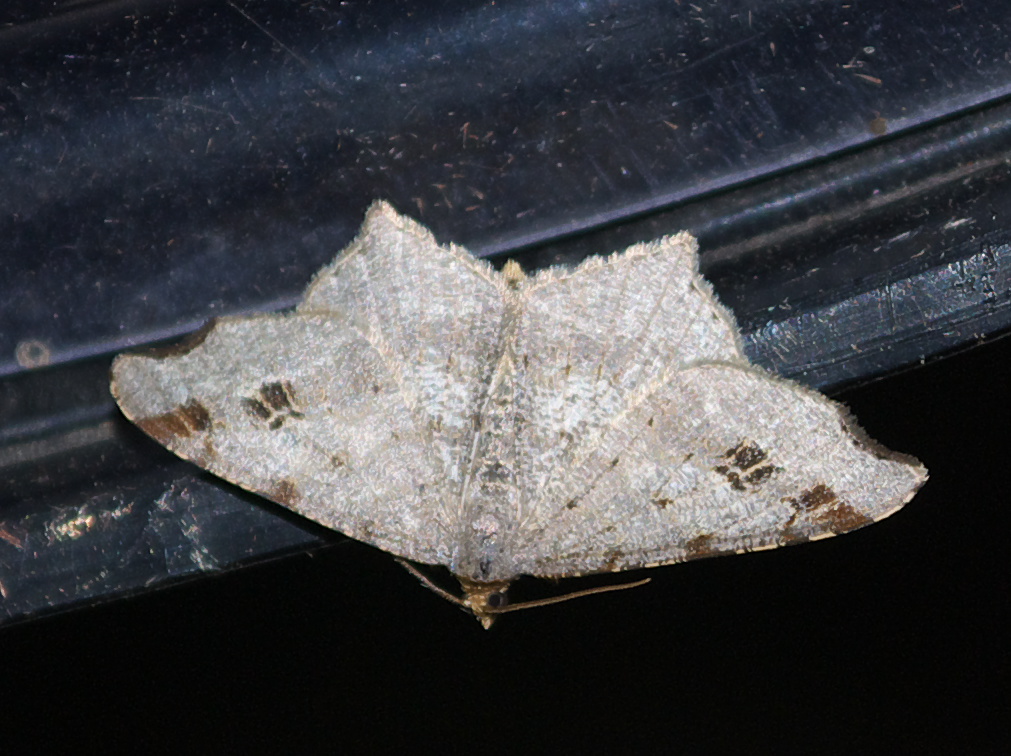
 The Sharp Angled Peacock (I think):
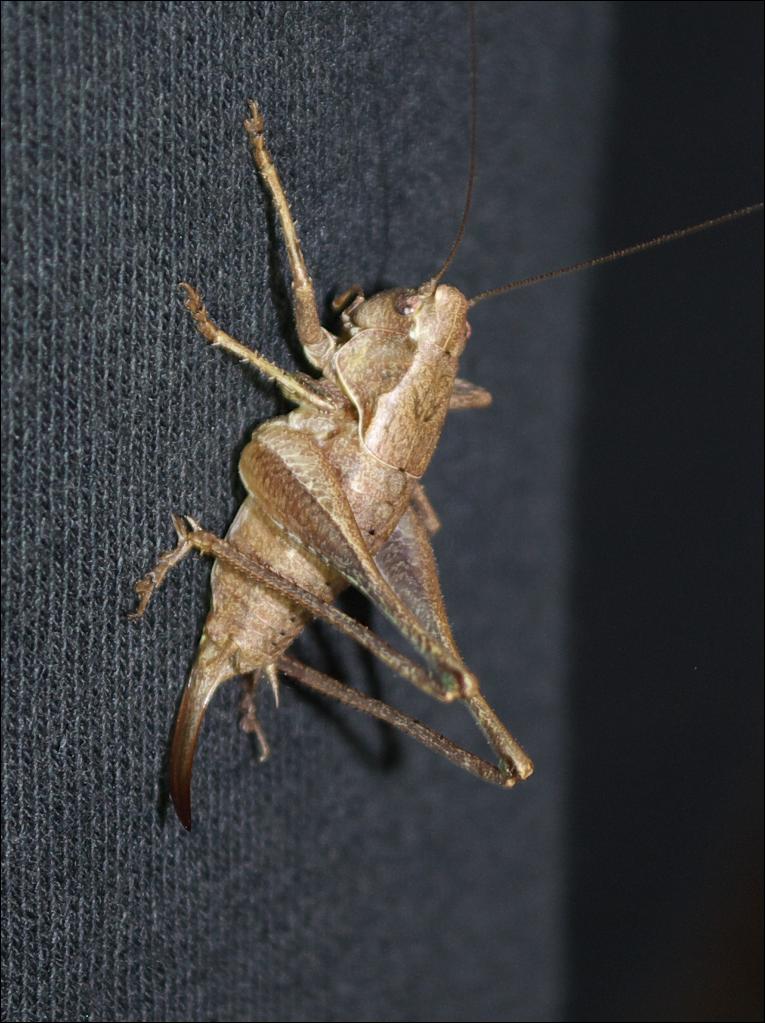
 We didn't just get moths, there were also Crickets:
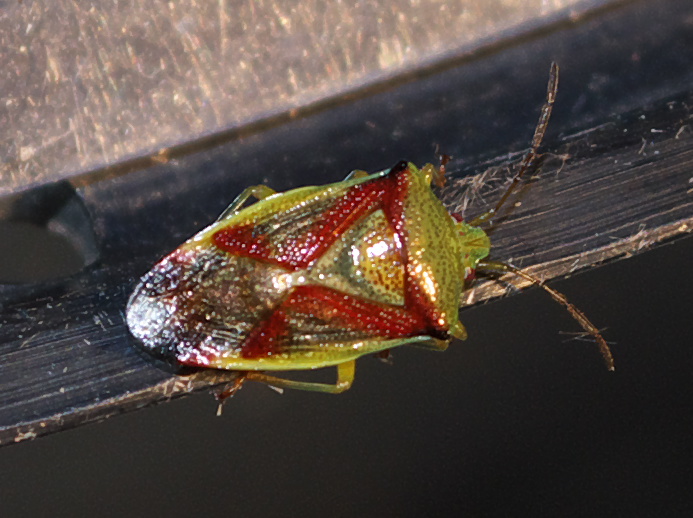
 A Birch Shield Bug, which I'd never seen before:
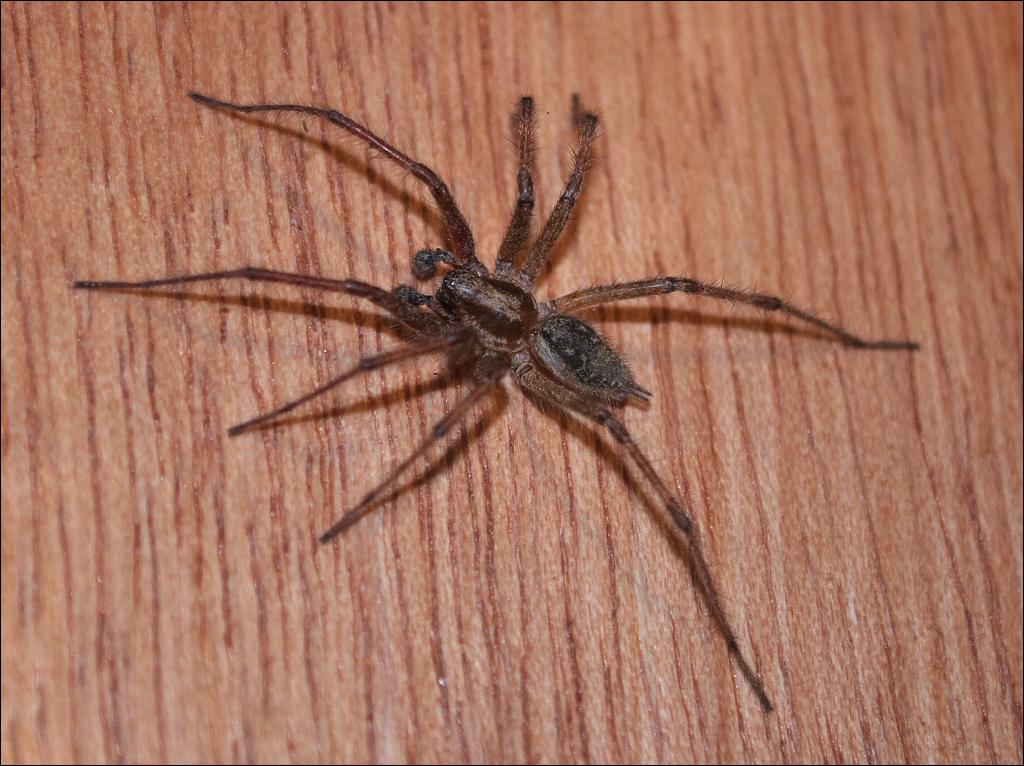
 And a spider, which I guess was hoping to eat a moth!
 It was a great evening, and many thanks to everyone who came to run the survey. Combining this year and last year, the guys have found 147 species of moth in our woods! You can see the pictures from last year here and here.
If you'd like to know the full list of moths found this year, here it is:
Honeysuckle Moth
Diamond-back Moth
Long-horned Flat-body
Common Yellow Conch
Bramble Shoot Moth
Bulrush Veneer
Marbled Piercer
Pearl Grass-veneer
Brown China-mark
Ringed China-mark
Garden Pebble
Long-winged Pearl
Dusky Pearl
Mother of Pearl
Gold Triangle
Rosy Tabby
Grey Knot-horn
Ash-bark Knot-horn
Scalloped Hook-tip
Oak Hook-tip
Pebble Hook-tip
Peach Blossom
Buff Arches
Satin Lutestring
Common Lutestring
Large Emerald
Birch Mocha
Blood-vein
Small Fan-footed Wave
Single-dotted Wave
Small Scallop
Riband Wave
Red Twin-spot Carpet
Small Phoenix
July Highflyer
Scallop Shell
Small Rivulet
Wormwood Pug
V-Pug
Small White Wave
Clouded Border
Scorched Carpet
Peacock Moth
Sharp-angled Peacock
Brimstone Moth
Dusky Thorn
Early Thorn
Scalloped Oak
Peppered Moth
Mottled Beauty
Engrailed
Common Wave
Poplar Hawk-moth
Buff-tip
Sallow Kitten
Poplar Kitten
Iron Prominent
Pebble Prominent
Lesser Swallow Prominent
Swallow Prominent
Coxcomb Prominent
Pale Prominent
Chocolate-tip
Yellow-tail
Black Arches
Rosy Footman
Dingy Footman
Scarce Footman
Ruby Tiger
Turnip Moth
Dark Sword-grass
Shuttle-shaped Dart
Flame Shoulder
Large Yellow Underwing
Lesser Yellow Underwing
Broad-bordered Yellow Underwing
Lesser Broad-bordered Yellow Underwing
Least Yellow Underwing
True Lover's Knot
Setaceous Hebrew Character
Cabbage Moth
Smoky Wainscot
Suspected
Grey Dagger
Knot Grass
Reed Dagger
Copper Underwing
Straw Underwing
Double Kidney
Olive
Dun-bar
Dark Arches
Common Rustic
Scarce Silver-lines
Green Silver-lines
Oak Nycteoline
Nut-tree Tussock
Gold Spot
Silver Y
Straw Dot
Snout
Small Fan-foot
Clay Fan-foot
Olive Crescent
Mike
Tuesday, 4 August 2009
2009 moth survey


Saturday, 26 July 2008
Moth survey results - part 1
OK, here's the first set of results from the moth survey. But I'll start with a picture of one of the best looking moths, called Buff Arches: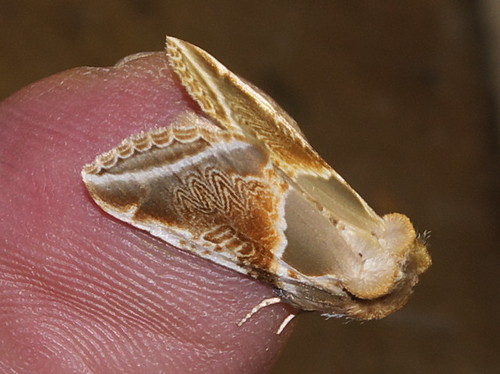
 The key results from our wood and the wayleave were:
Here's how it was done. Each of the six traps used a white sheet, a mercury vapour lamp, and a box full of old egg boxes and with a sloping glass lid to allow moths in but make it hard for them to get out. There was a petrol-fuelled generator used for each trap, or sometimes one between two where they were near each other: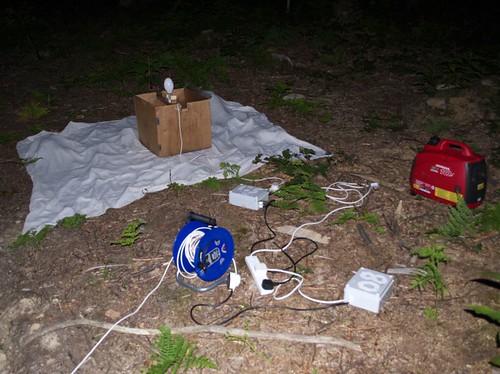 Here's a couple in action:
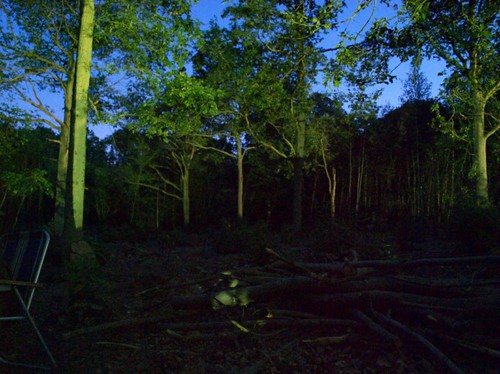
 They gave the wood an eerie glow - here's a long exposure photo:
 And here's the Moth Men in action - they're amazing, they could recognise dozens of species instantly, and as each trap was opened the action was surprisingly fast-paced, I could barely keep up taking photos, and Steve Wheatley was scribbling madly in his notebook to keep track of everything.
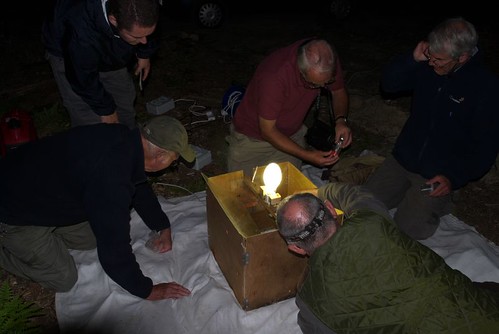 I don't think the survey would work without experts like these - there simply isn't time to be looking stuff up in ID books, the moths would have flow away by the time you'd figured out which the first one was!
Anyway, here's some more pictures of the ones I have names for, the rest will follow when I know what they are...
Ruby Tiger
 Gold Triangle
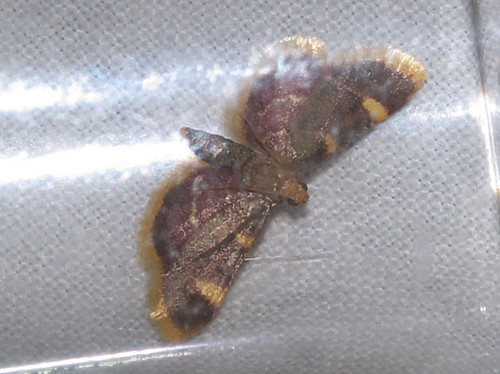 Small Emerald
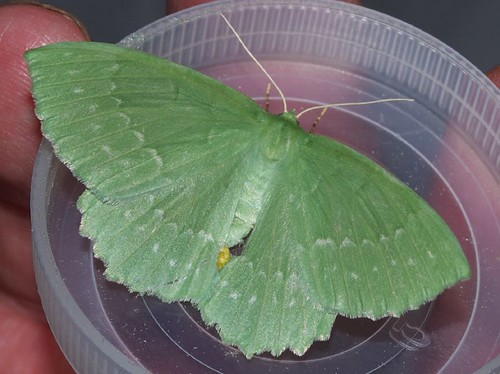
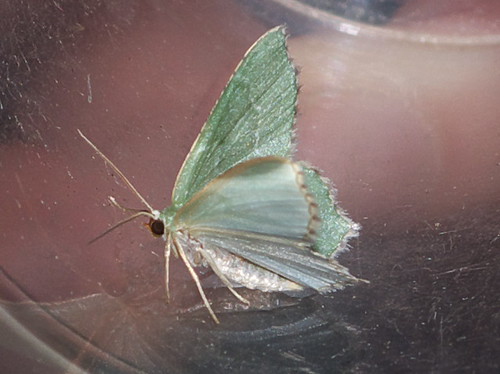 Large Emerald
 Peppered Moth
 Scorched Carpet (yes, that really is its name!)
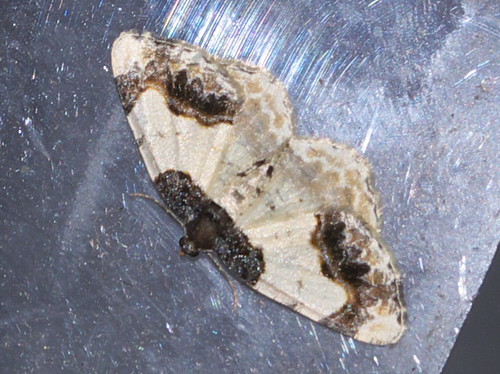 And then several other things attracted by the light: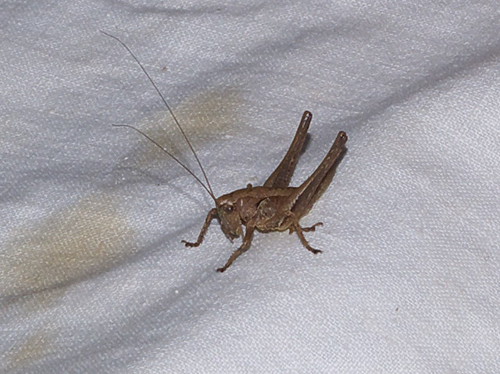
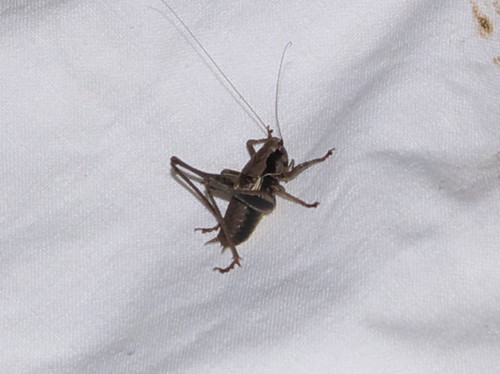
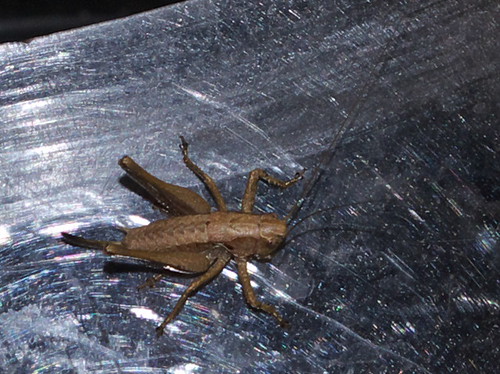 UPDATE: you can see the results of our 2009 moth survey here.
In other news, we went up to the wood again this morning and did a bit more to the new shelter - the basic frame should be ready to put up tomorrow, unless we decide to go down to the beach instead! The wood was looking particularly nice on a sunny day like today: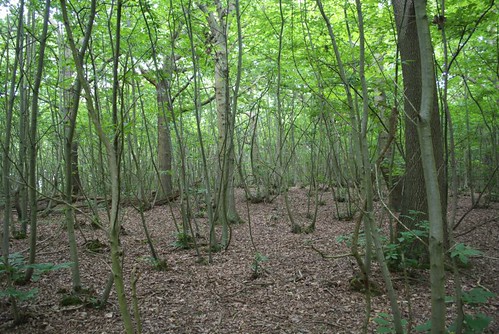 I thought it was time I look some pictures of the coppice regrowth with Tracy standing next to them for scale - it's amazing how fast this stuff grows! Here's a chestnut and then a birch (which was cut a couple of months later on):
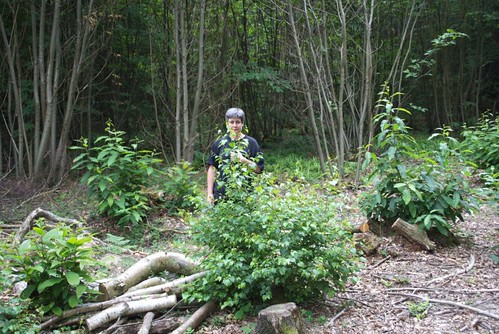 We also saw several butterflies around the wood, though they're looking a bit battered! There were two Speckled Woods fluttering around where we had coppiced by the pond, here's one of them:
 And White Admirals again, back in their favourite place in the cant we cut last winter:
 That's all for now....
Mike


