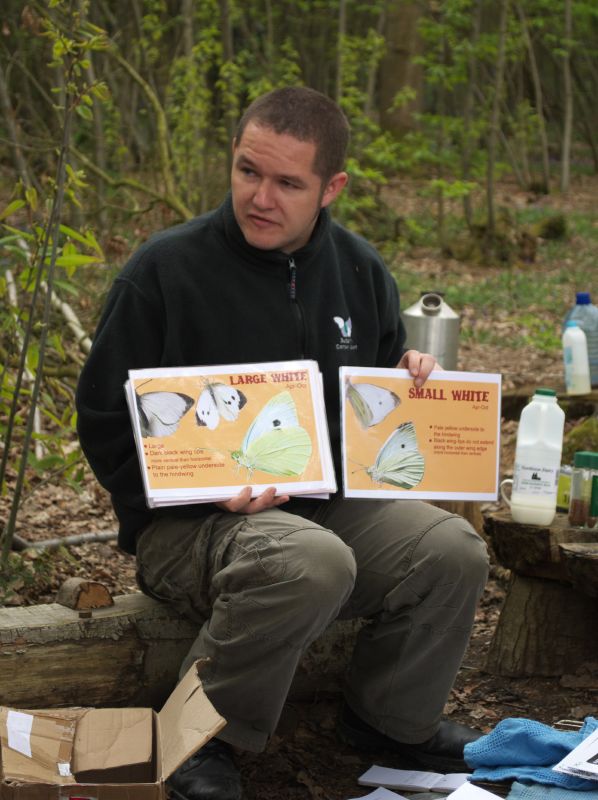
Yesterday we hosted a butterfly ID day in our wood, run by Steve Wheatley from Butterfly Conservation and attended by about 10 SWOG (Small Woodland Owners Group) members.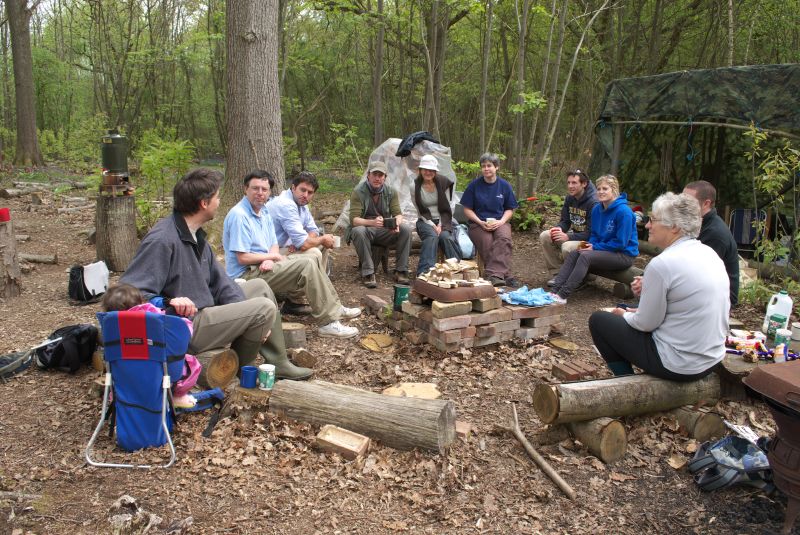 We started with Steve giving us a talk about butterflies, and why identifying them and keeping centralised records is important. He needs lots of people like us to note down what we see and send records to him periodically, so that they can keep track of species numbers and use the information in scientific research and also in planning permission issues and other stuff like that. He also gave us some tips on how to ID butterflies, including the differences between the various white species, and using knowledge on which months the butterflies can be seen to help narrow down the choices.
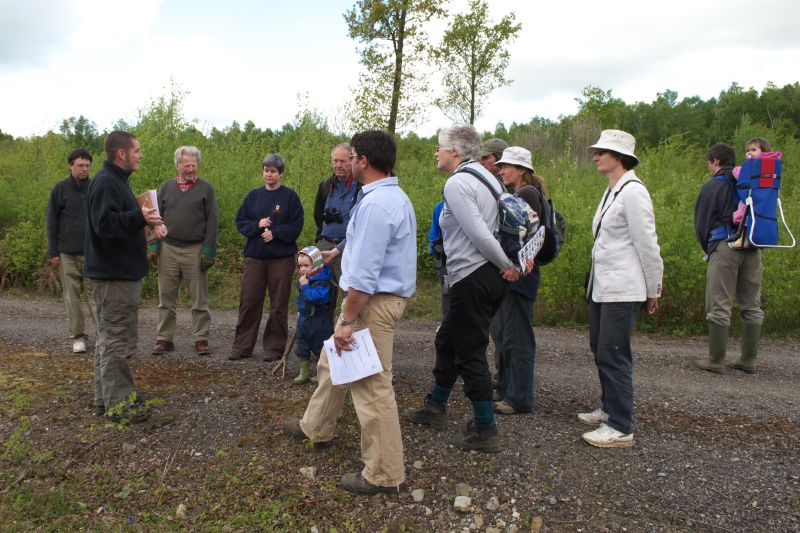
 We took a walk along the wayleave and also along our wildlife corridor, stopping at various points to talk about what we were seeing.
 There was patchy cloud, so it wasn't a perfect day for butterfly spotting, but we still saw quite a few. Here's the ones I got pictures of. A Peacock, looking a bit ragged:
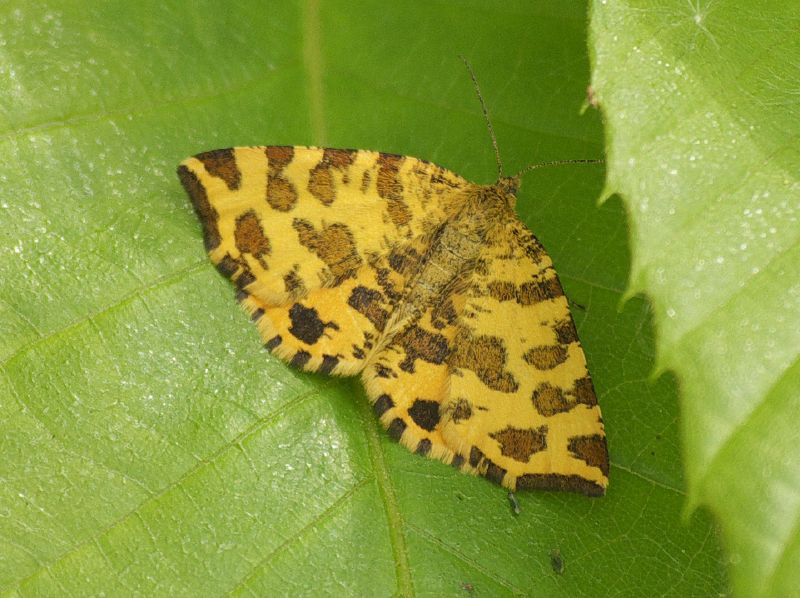
 A Speckled Yellow - actually a day-flying moth rather than a butterfly: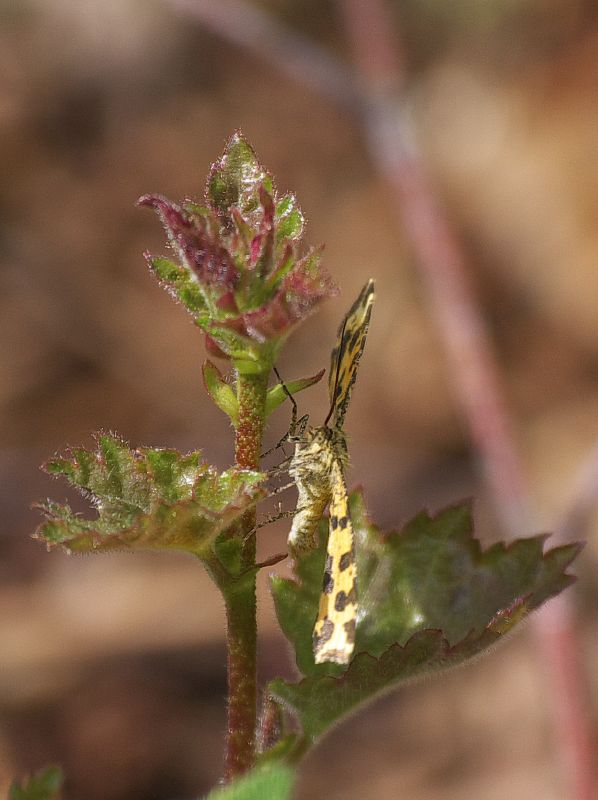
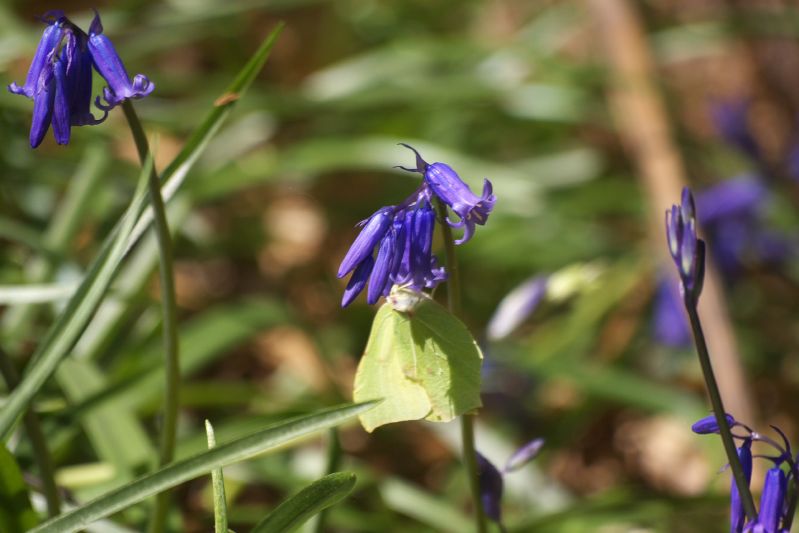
 A Brimstone - this is the first time I have ever seen one of these land so I could take a picture! A shame it wouldn't spread its wings out, but at least I now know a potential spot to go and try again.
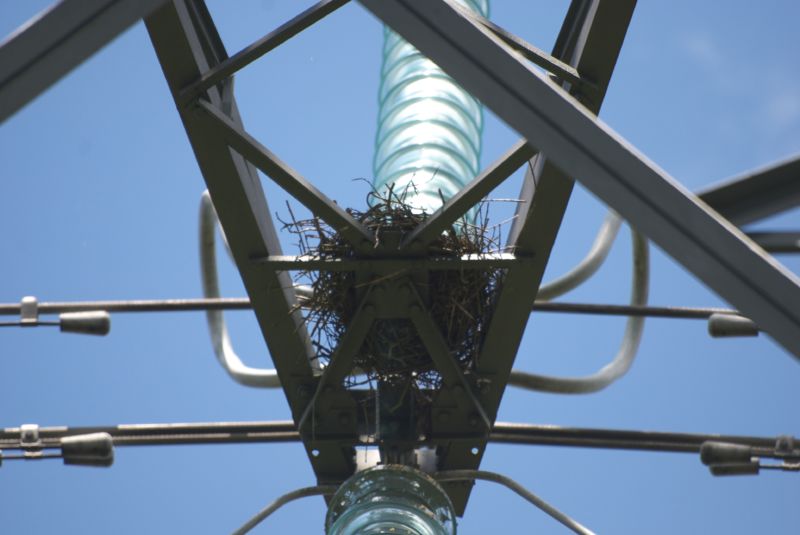
 We also saw some other interesting things as we went around, such as this bird nest up a pylon. Any ideas what it might be?
 and in the wildlife corridor, where we were felling just a few months ago, as well as several butterflies we found an adder, which had probably been basking in the sun:
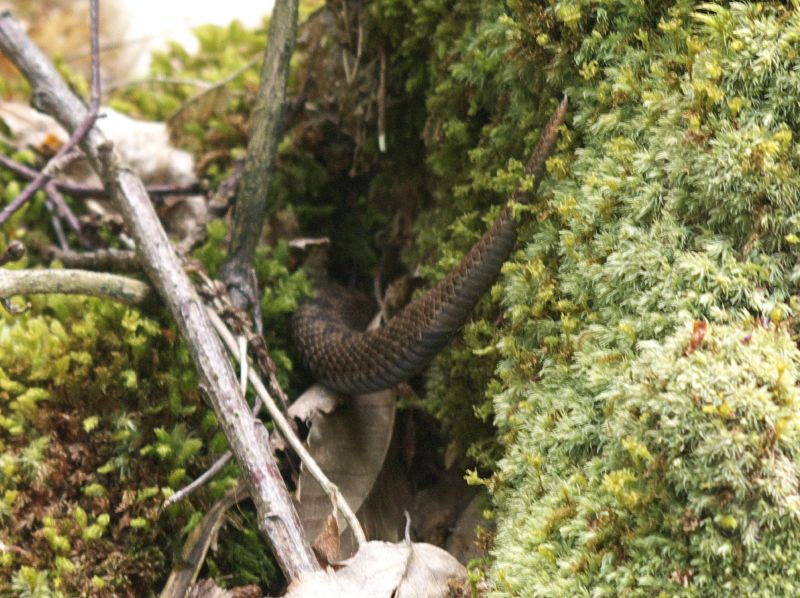
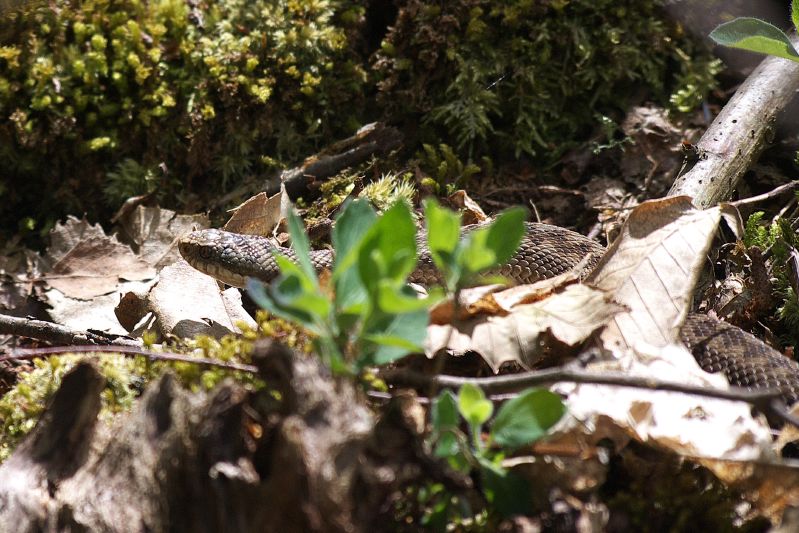 It didn't like the attention, and slithered off to a hole in a coppice stump - it certainly seemed to know exactly where to go and hide!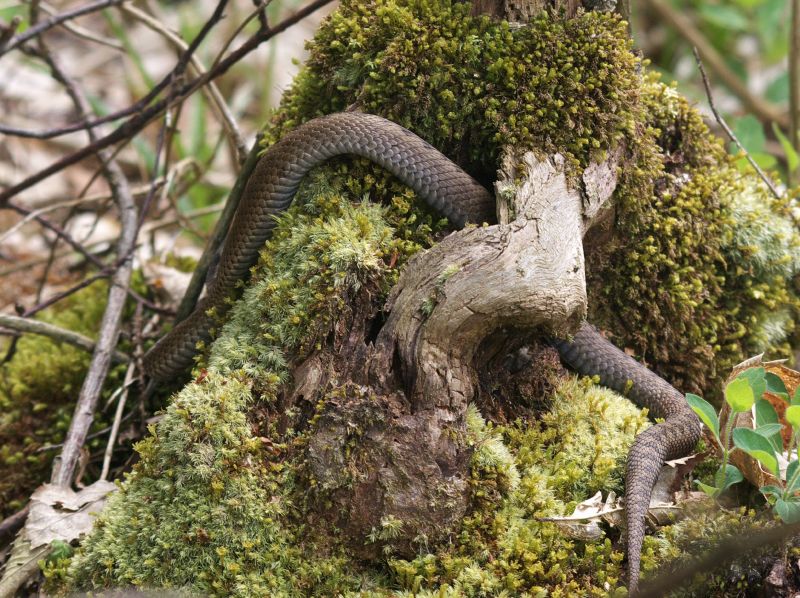
 Mike
Mike
Monday, 4 May 2009
SWOG Butterfly ID day


Sunday, 5 October 2008
Fungi ID walk in the woods
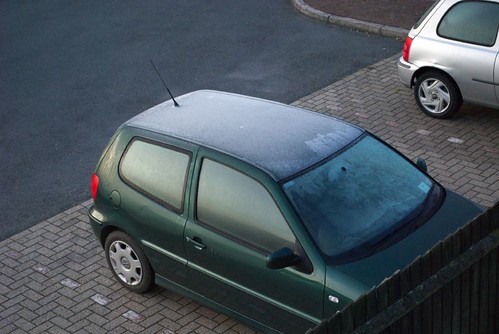
On Saturday we had a fungi ID walk in our woods. It was run by WoodNet, and should have happened at Flimwell, but the woods there didn't have much fungi right now, so we offered ours instead. We had a good crowd of people: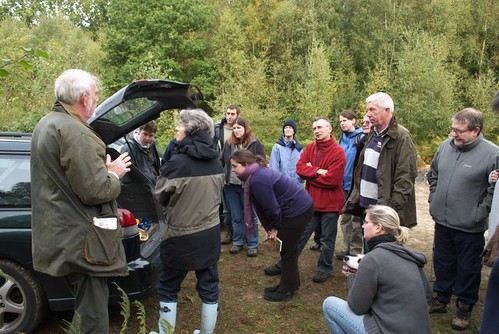 The day started with the first frost of the winter though, which isn't so good for the fungi. We had to scrape a bit of ice off the car in the morning:
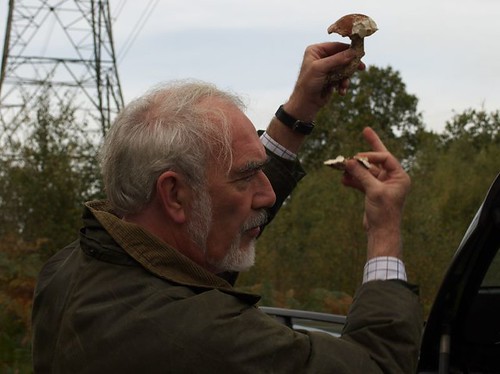
 To start with the course tutor, Bryan Bullen, gave us a talk on fungi, explaining some of the different families and how to recognise them, using samples he'd brought with him:
 Then we headed off down the wayleave, which is damp and mossy and therefore ideal fungi ground.
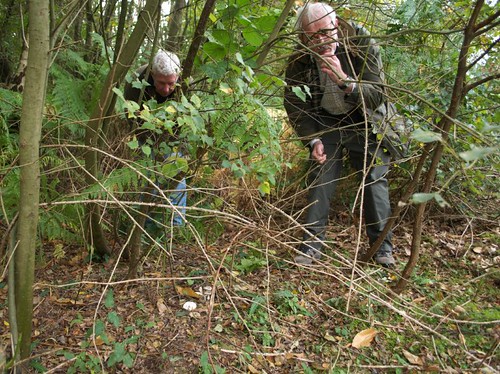
 We spread out a bit looking for specimens, bringing them to Bryan (or Bryan to them) for ID.
 One we found quite a bit of was the Brown Birch Bolete, which is edible, although best when younger than these samples: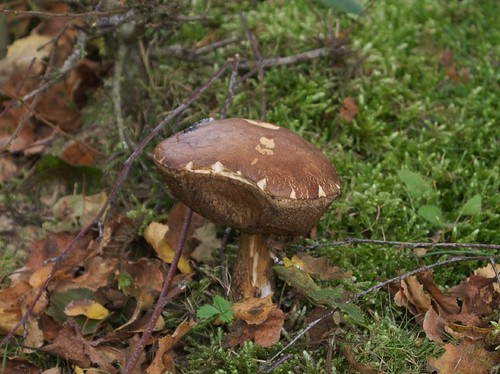
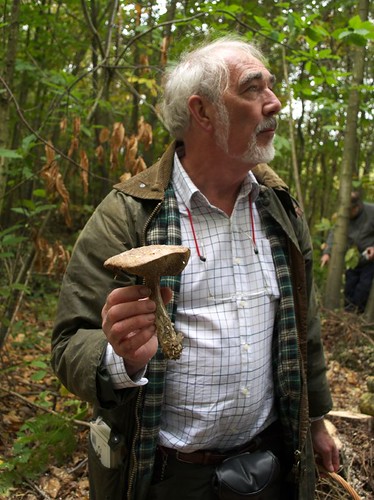 We also saw a few stinkhorns, here's the "egg" of one that was yet to grow, with Bryan indicating the height it would normally reach.
 He cut it open so we could see the jelly-like substance inside. It didn't smell yet though, as it wasn't mature.
 Then we headed through the woods, spreading out to gather fungi and meeting up to ID them. We felt we found quite a good selection, but Bryan said this isn't a very good year for them so far, although better than last year. Here's what we got between us:
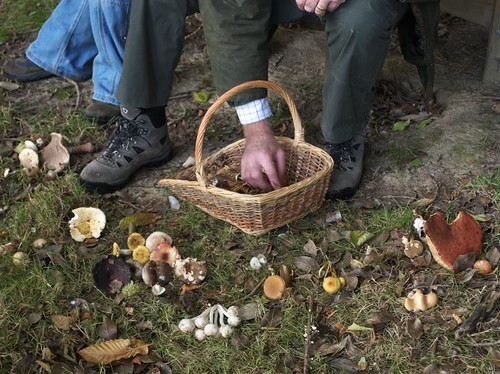 A few of them were edible, but we also "tasted" some inedible (though not poisonous) ones, being careful to spit them out afterwards. Some of them are extremely hot, tasting like chilli! It had never occurred to me that you could safely taste mushrooms (and I mean a very tiny amount on your tongue!), but apparently it's one of the aids to making an accurate identification. Bryan recommended we didn't try it with known killers like the Death Cap though, even though it should still be safe.
Mike


