Showing posts with label mushroom. Show all posts

Sunday, 6 October 2013

Woodland fungi foraging

Last weekend a friend of mine, Geoff Dann, came to walk round the woods and look for fungi. He's an experienced forager, so I was more than happy to have him visit and join him for a stroll. Here's the pics of what we found, including the ones I ate for dinner! :-)

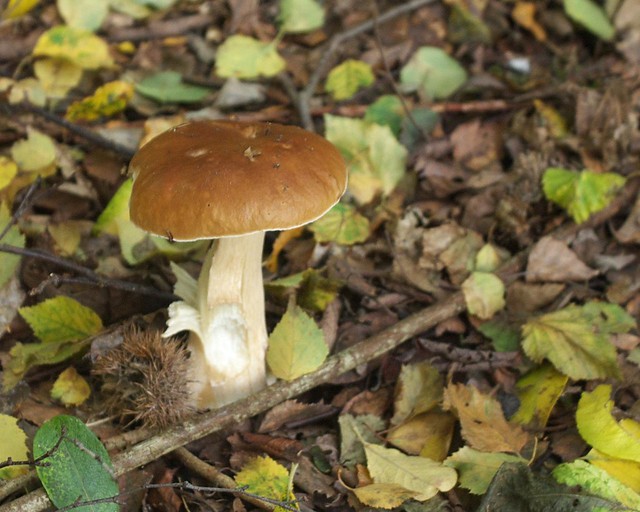
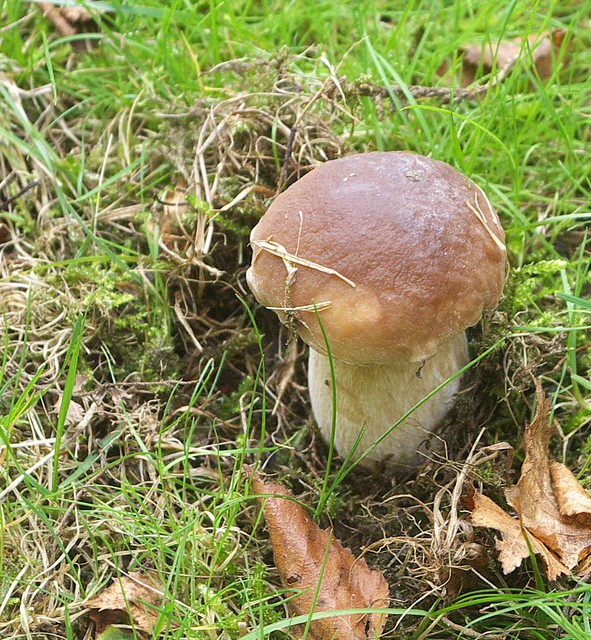
Penny Bun (Boletus edulis), also know as Porcino or Cep - one of the nice ones to eat!
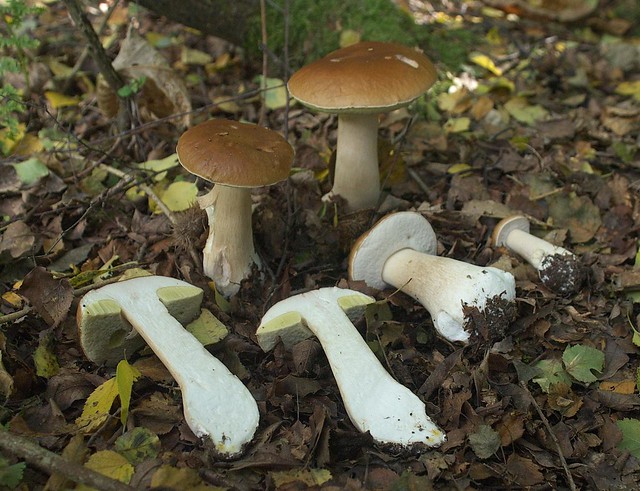
DSC_7180 Penny Bun, Porcino, Cep

DSC_7174 Penny Bun, Porcino, Cep

DSC_7157 Penny Bun, Porcino, Cep

Death Cap (Amanita phalloides) - this one's certainly not for eating, in fact the example in this picture is enough to kill two or three people...
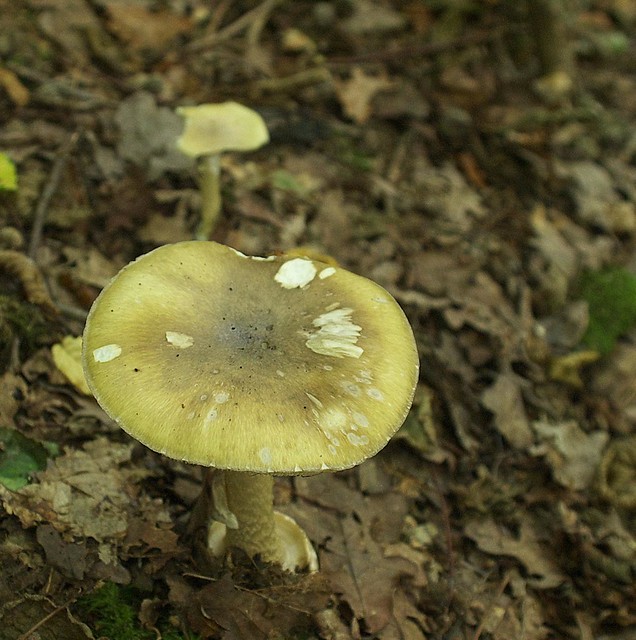
DSC_7172 Amanita phalloides, Death Cap

Parasol mushroom (Macrolepiota procera), a good one to eat - though it has a similar relative that can cause stomach upsets in some people.
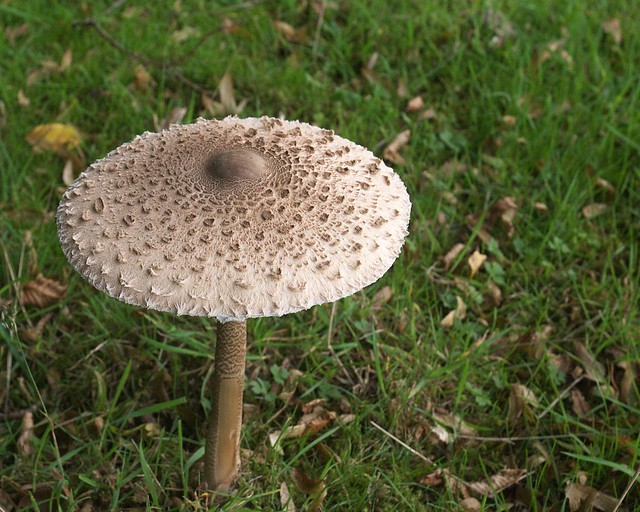
DSC_7170 Macrolepiota procera, Parasol mushroom

The Blusher (Amanita rubescens)
DSC_7169 The Blusher (Amanita rubescens)

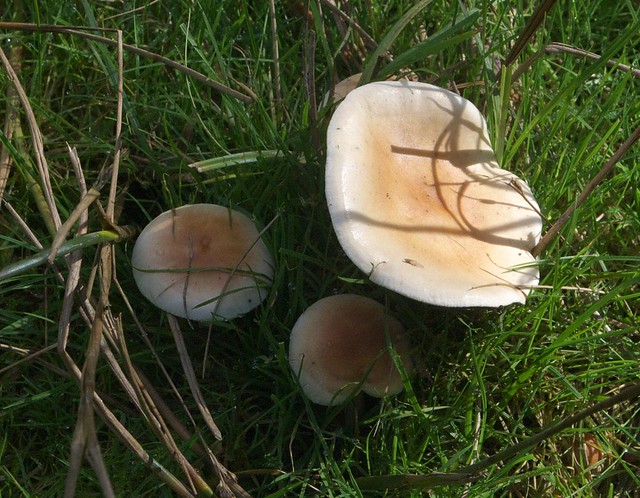
A Milkcap of some sort (Lactarius sp.)
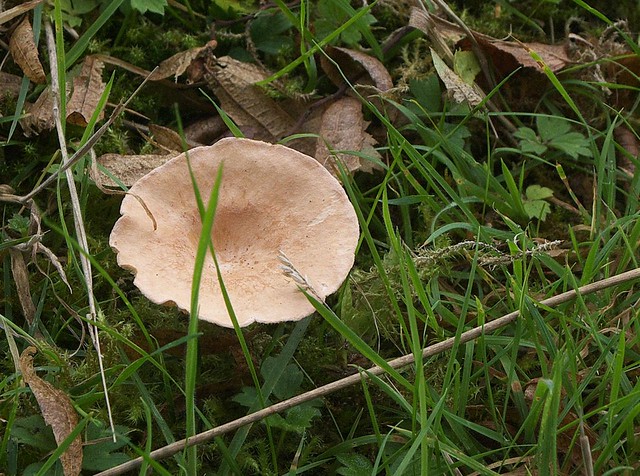
DSC_7167 Milkcap (Lactarius sp.)

False Death Cap (Amanita citrina). Not especially poisonous, but too similar to the Death Cap to be worth eating...
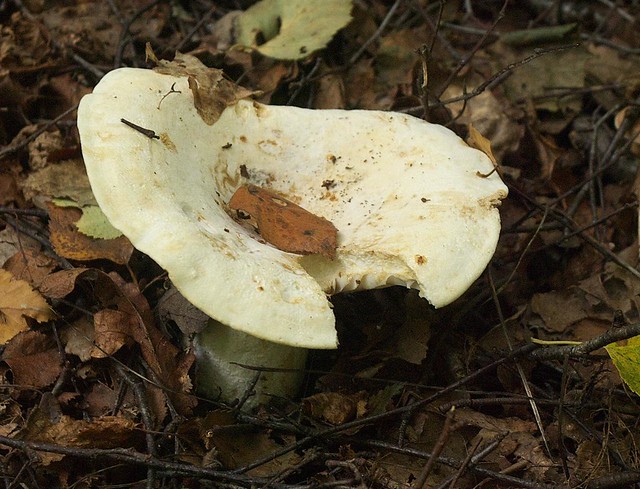
DSC_7165 False deathcap (Amanita citrina)

Poison Pie (Hebeloma sp.)
DSC_7163 Poison Pie (Hebeloma sp.)

Peppery Bolete (Chalciporus piperatus)
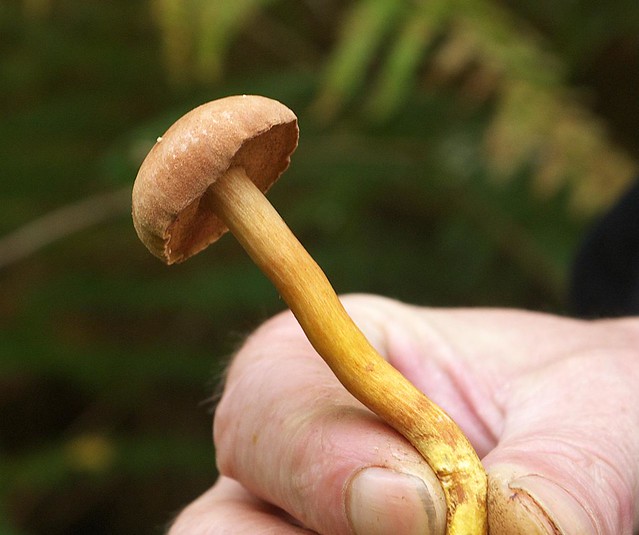
DSC_7159 Peppery Bolete (Chalciporus piperatus)

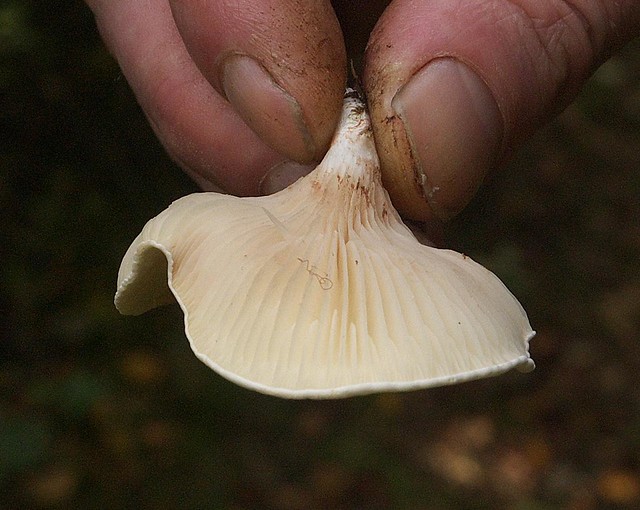
The Miller (Clitopilus prunulus)
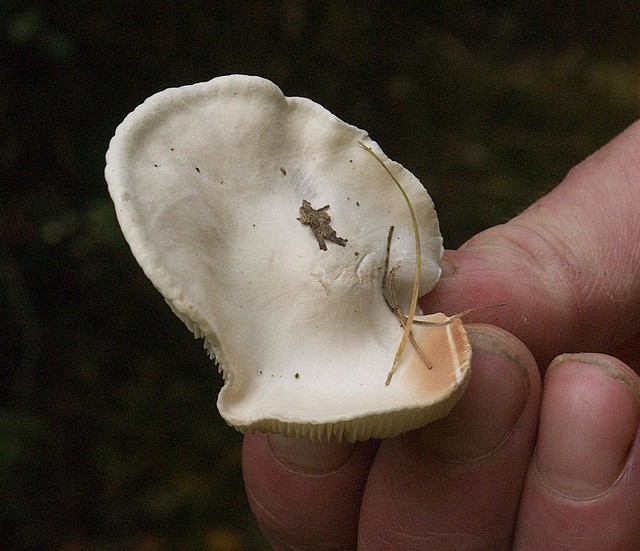
DSC_7155 The Miller (Clitopilus prunulus)

DSC_7154 The Miller (Clitopilus prunulus)

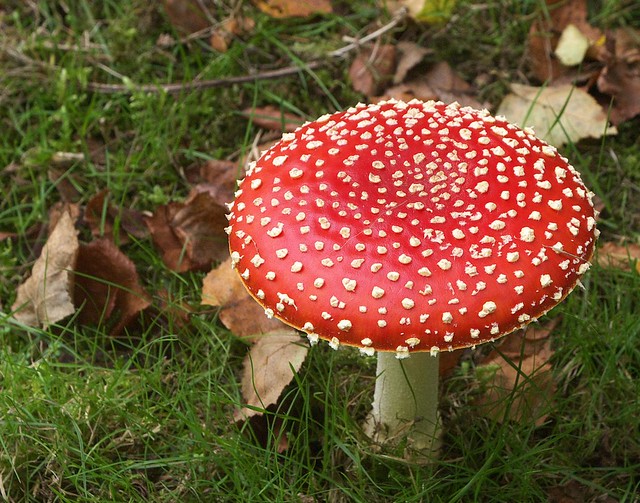
The classic toadstool - Fly Agaric (Amanita muscaria)
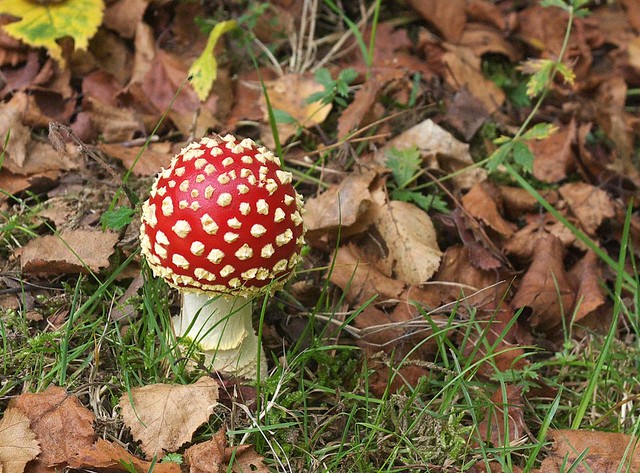
DSC_7152 Amanita muscaria, Fly Agaric

DSC_7150 Amanita muscaria, Fly Agaric

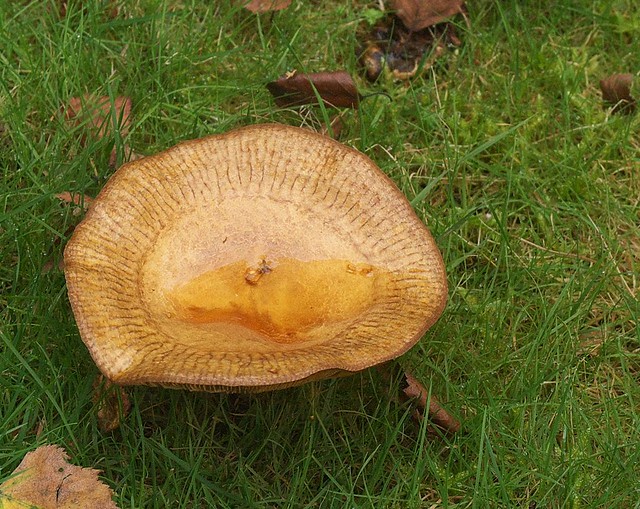
Brown Rollrim (Paxillus involutus)
DSC_7149 Brown Rollrim (Paxillus involutus)

Bolete being attacked by the Bolete Eater (Hypomyces chrysospermus)
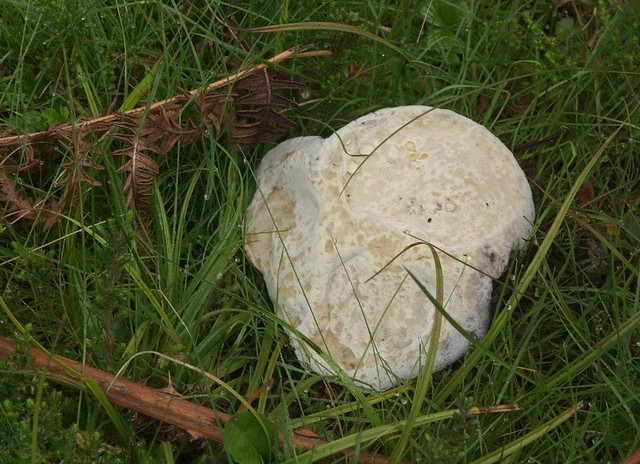
DSC_7147 Bolete being attacked by the bolete eater (Hypomyces chrysospermus)

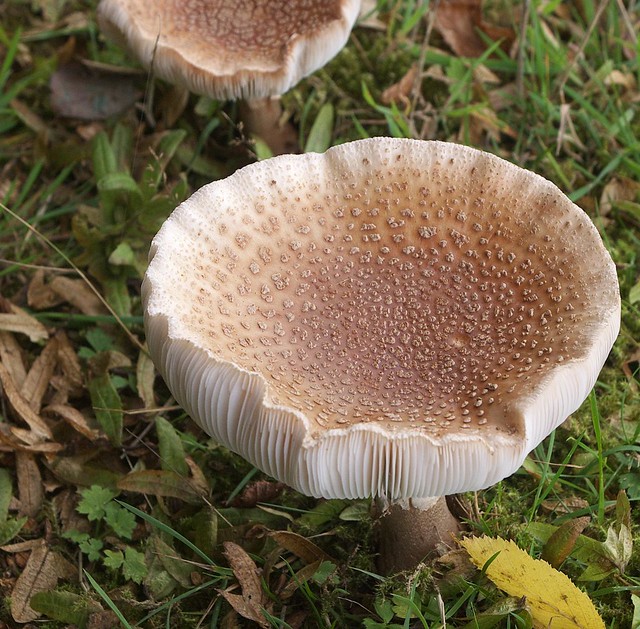
An Amanita of some sort
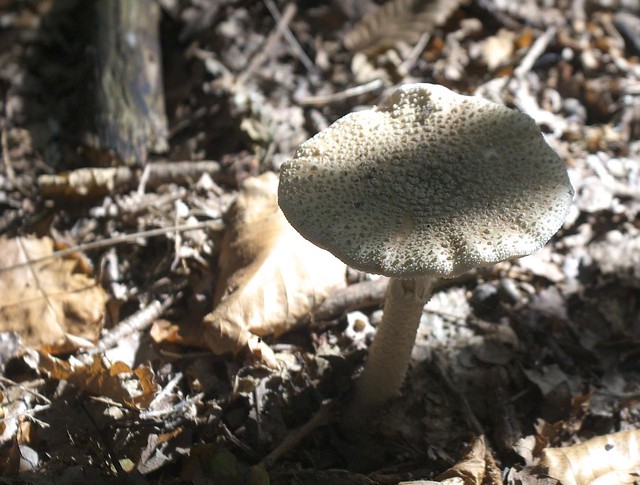
DSC_7136 Amanita sp

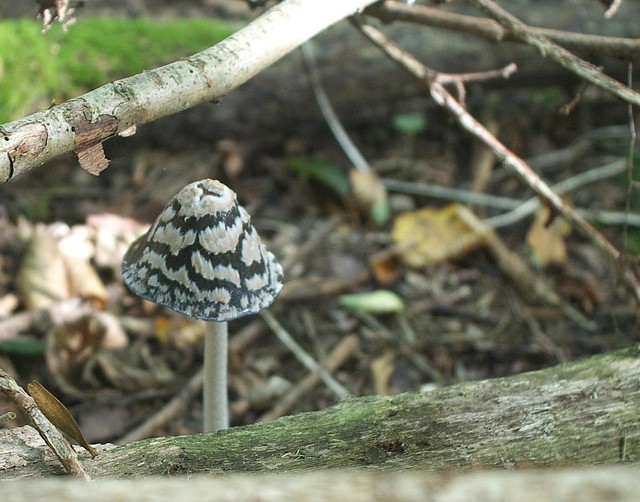
Magpie Inkcap (Coprinopsis picea)
DSC_7132 Magpie Inkcap (Coprinopsis picea)

Common Puffball (Lycoperdon perlatum)
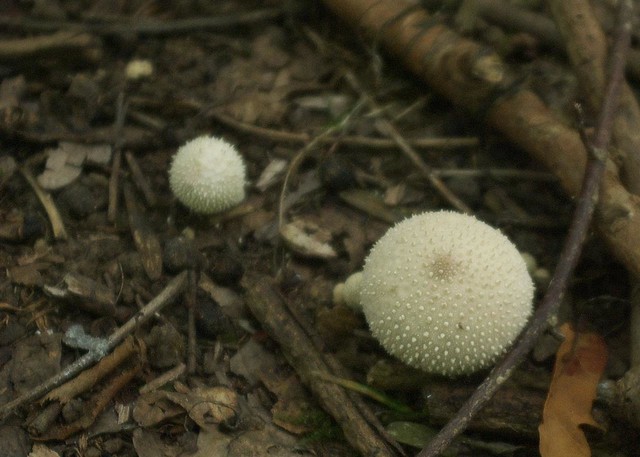
DSC_7129 Common Puffball (Lycoperdon perlatum)

Another Milkcap (Lactarius sp.)
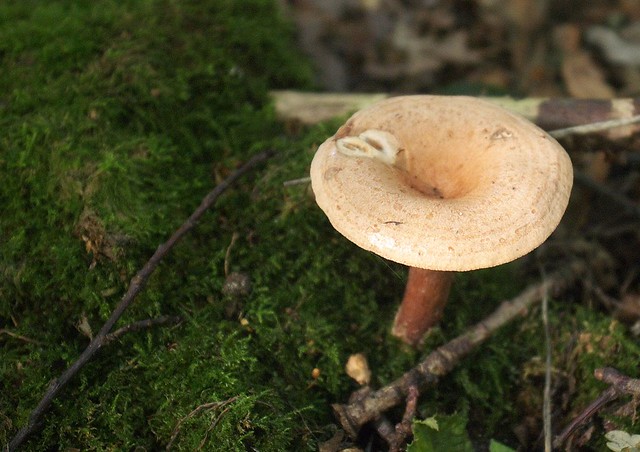
DSC_7127 Milkcap (Lactarius sp.)

Common Yellow Brittlegill (Russula Ochroleuca)
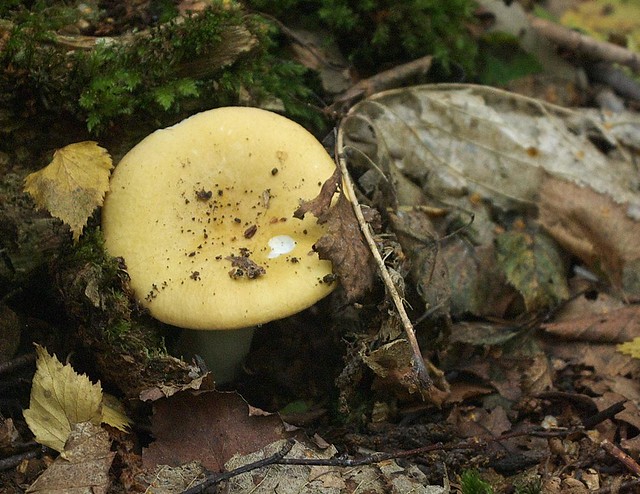
DSC_7117 Common Yellow Brittlegill (Russula Ochroleuca)

Tawny Grisette (Amanita fulva)
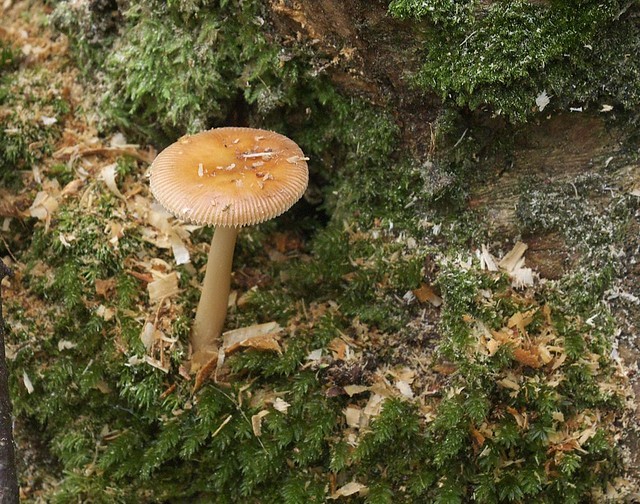
DSC_7115 Tawny Grisette (Amanita fulva)

And finally, here's some cooked Parasol and Penny Bun, ready to eat!
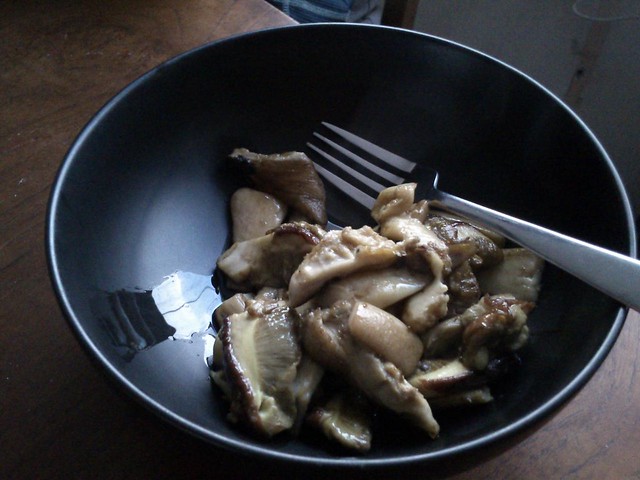
Parasol and Penny Bun (Cep) mushrooms after being cooked

Mike

Click here to read the rest of this post.

Sunday, 5 October 2008

Fungi ID walk in the woods

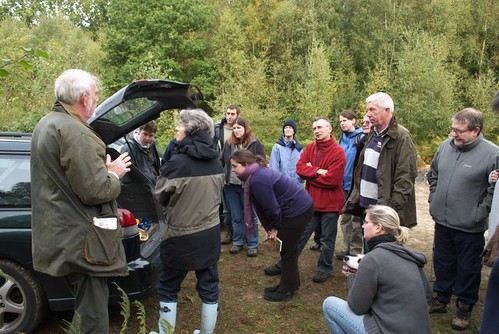
On Saturday we had a fungi ID walk in our woods. It was run by WoodNet, and should have happened at Flimwell, but the woods there didn't have much fungi right now, so we offered ours instead. We had a good crowd of people:
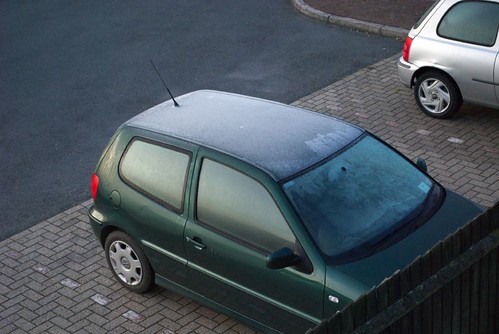
The day started with the first frost of the winter though, which isn't so good for the fungi. We had to scrape a bit of ice off the car in the morning:
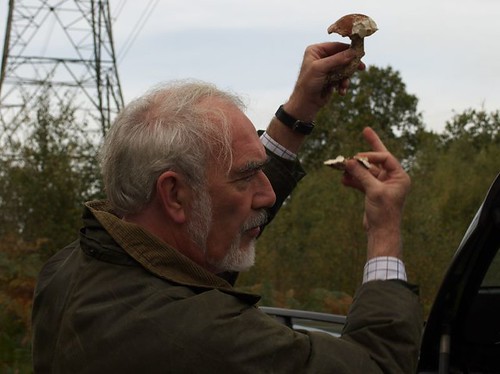
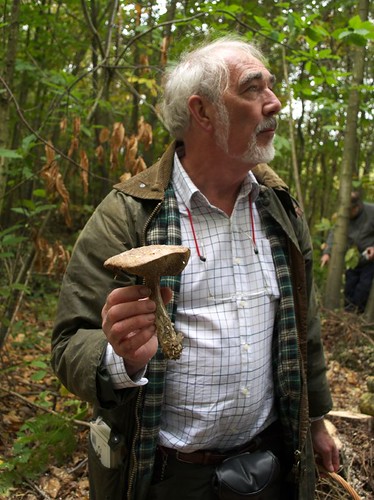
To start with the course tutor, Bryan Bullen, gave us a talk on fungi, explaining some of the different families and how to recognise them, using samples he'd brought with him:
Then we headed off down the wayleave, which is damp and mossy and therefore ideal fungi ground.
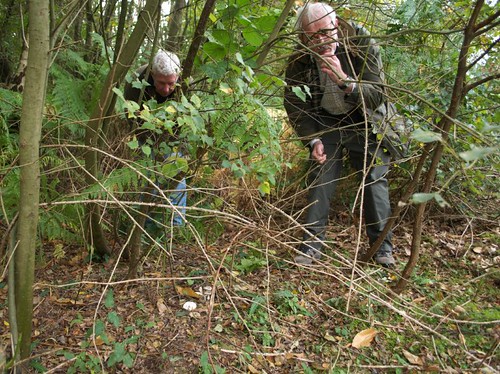
We spread out a bit looking for specimens, bringing them to Bryan (or Bryan to them) for ID.
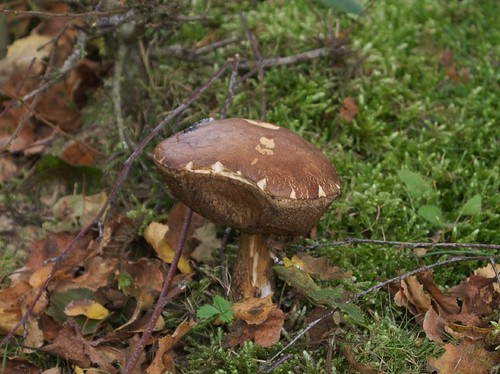
One we found quite a bit of was the Brown Birch Bolete, which is edible, although best when younger than these samples:
We also saw a few stinkhorns, here's the "egg" of one that was yet to grow, with Bryan indicating the height it would normally reach.
He cut it open so we could see the jelly-like substance inside. It didn't smell yet though, as it wasn't mature.
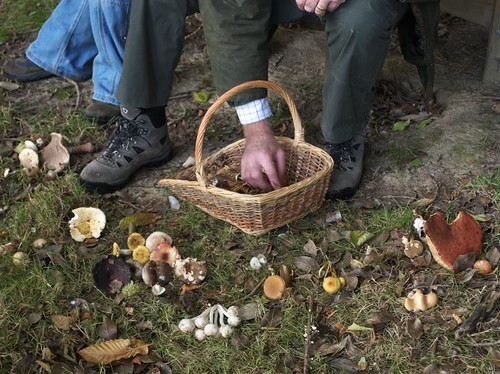
Then we headed through the woods, spreading out to gather fungi and meeting up to ID them. We felt we found quite a good selection, but Bryan said this isn't a very good year for them so far, although better than last year. Here's what we got between us:
A few of them were edible, but we also "tasted" some inedible (though not poisonous) ones, being careful to spit them out afterwards. Some of them are extremely hot, tasting like chilli! It had never occurred to me that you could safely taste mushrooms (and I mean a very tiny amount on your tongue!), but apparently it's one of the aids to making an accurate identification. Bryan recommended we didn't try it with known killers like the Death Cap though, even though it should still be safe.

Mike

Click here to read the rest of this post.